Isolation Distance
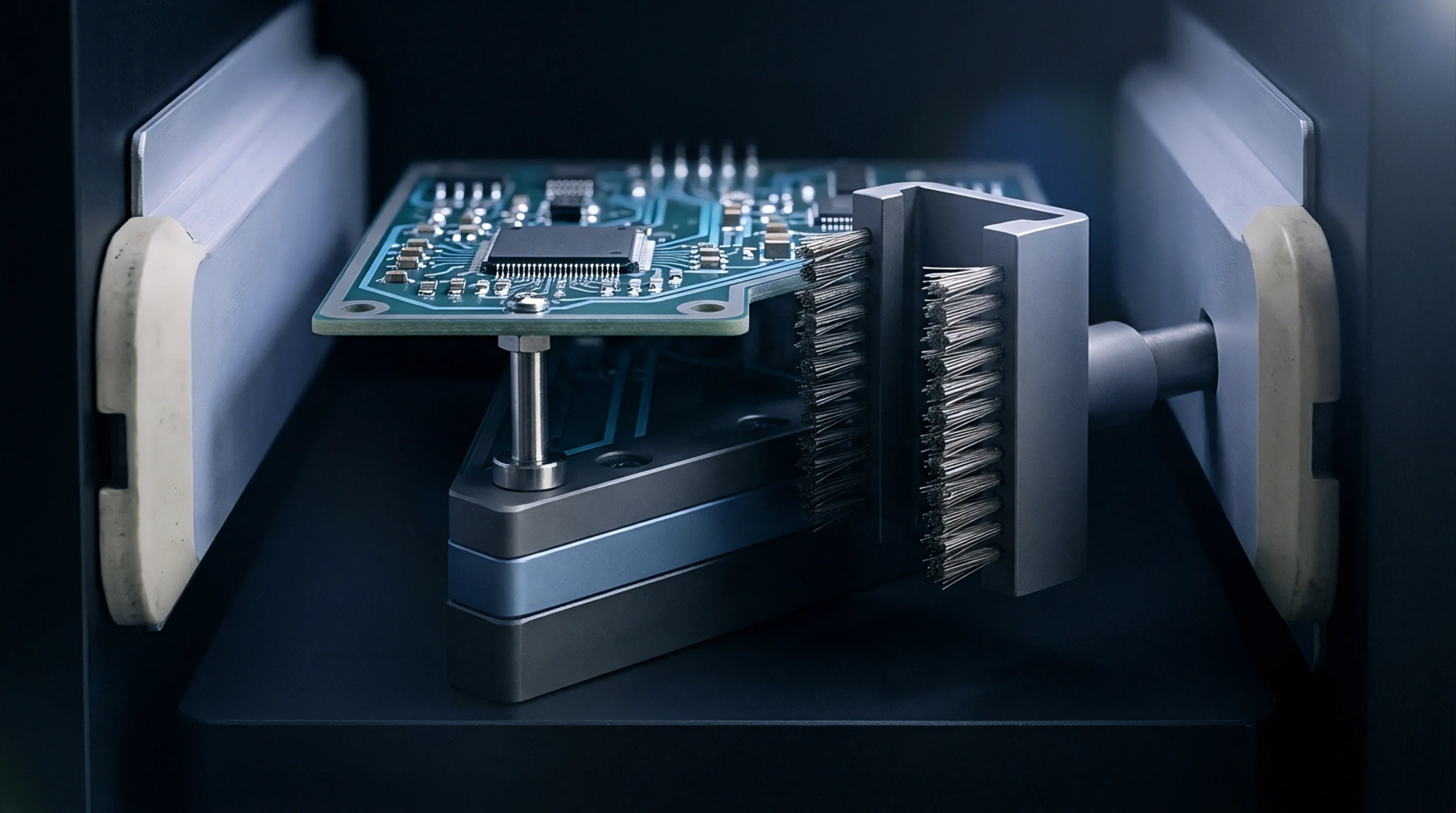
Safety spacing requirements define the minimum physical distance between two conductive traces to prevent electrical breakdown or arcing. Engineering standards for creepage and clearance dictate how far apart high voltage paths must be held to ensure user safety and circuit longevity. Clearance measures the shortest path through air between conductors, while creepage tracks the distance along the surface of the insulating material.
These parameters are required in power supply design and high density layouts where unintended conduction leads to catastrophic failure. Minimum spacing is defined by the peak working voltage and the overvoltage category of the device.
Dielectric Integrity
The selection of laminate material influences these distances based on its comparative tracking index. A material with higher resistance to surface tracking allows for tighter spacing without risking a short circuit. Designers must account for the peak operating voltage and the potential for transient spikes when calculating these gaps.
Environmental Limit
External factors such as humidity and dust accumulation reduce the effectiveness of the insulation over time. Standards like IEC 60664 adjust the required creepage and clearance based on the expected pollution degree of the operating environment. Protective coatings or potting compounds are used to mitigate these risks in harsh conditions.