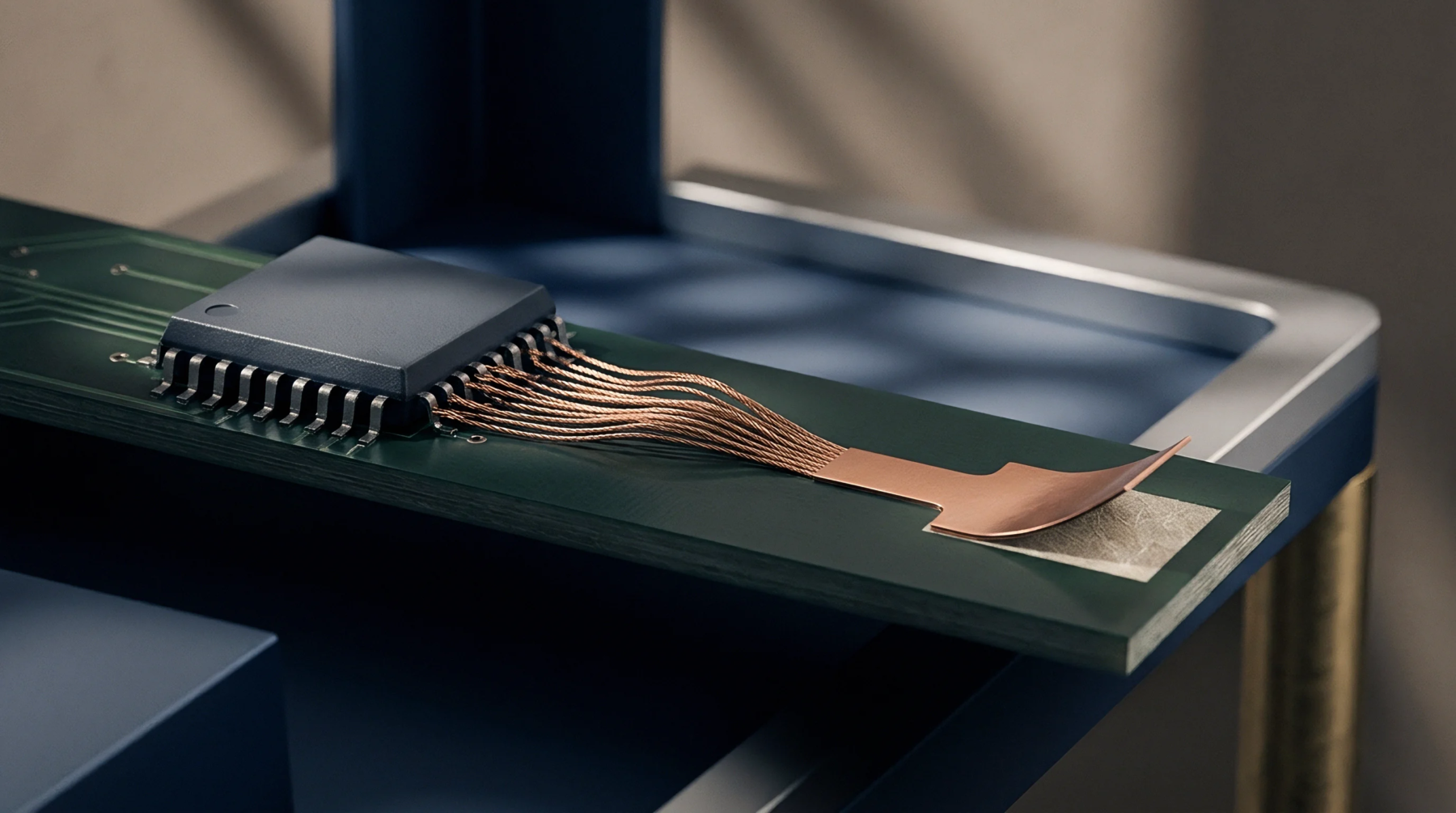
Optimizing Rigid Flex Stackup Architecture for High Speed Signals
Optimizing rigid-flex stackups for high-speed signals requires adhesiveless polyimide cores, cross-hatched reference alignment, and staggered rigid transitions.
Optimizing rigid-flex stackups for high-speed signals requires adhesiveless polyimide cores, cross-hatched reference alignment, and staggered rigid transitions.
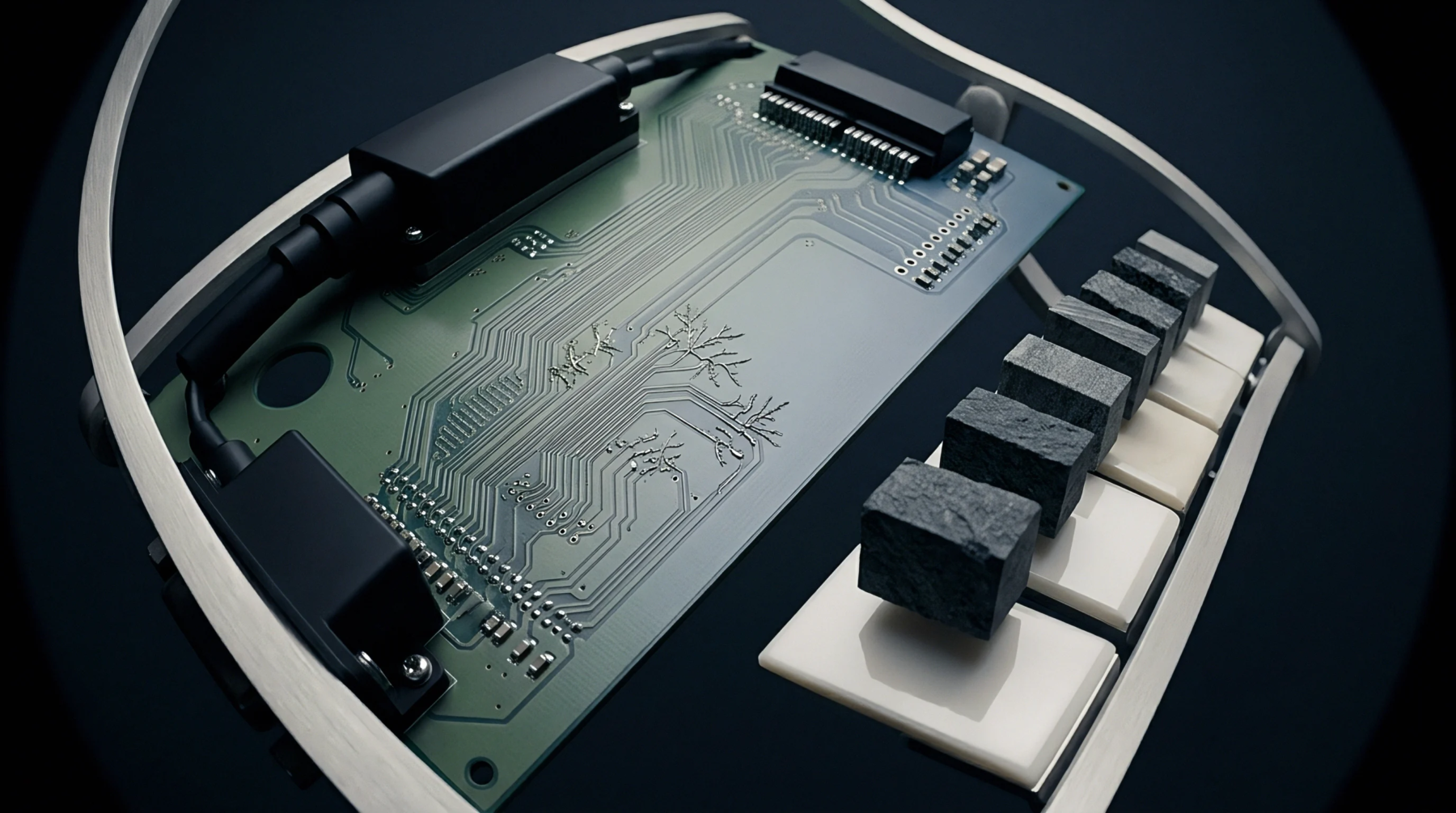
Controlled impedance across rigid flex transitions requires matching dielectric constants, tapering trace widths, and maintaining continuous ground planes.
Rigid-flex architecture eliminates discrete connector failures and signal discontinuities while reducing assembly labor, justifying higher bare-board costs.
Expertise is a utility, not a secret. sentiention™ publishes its working knowledge as open reference: intelligence layer covering the materials it sources, the markets it enters, and the reference that serves both.