Soldering Geometry
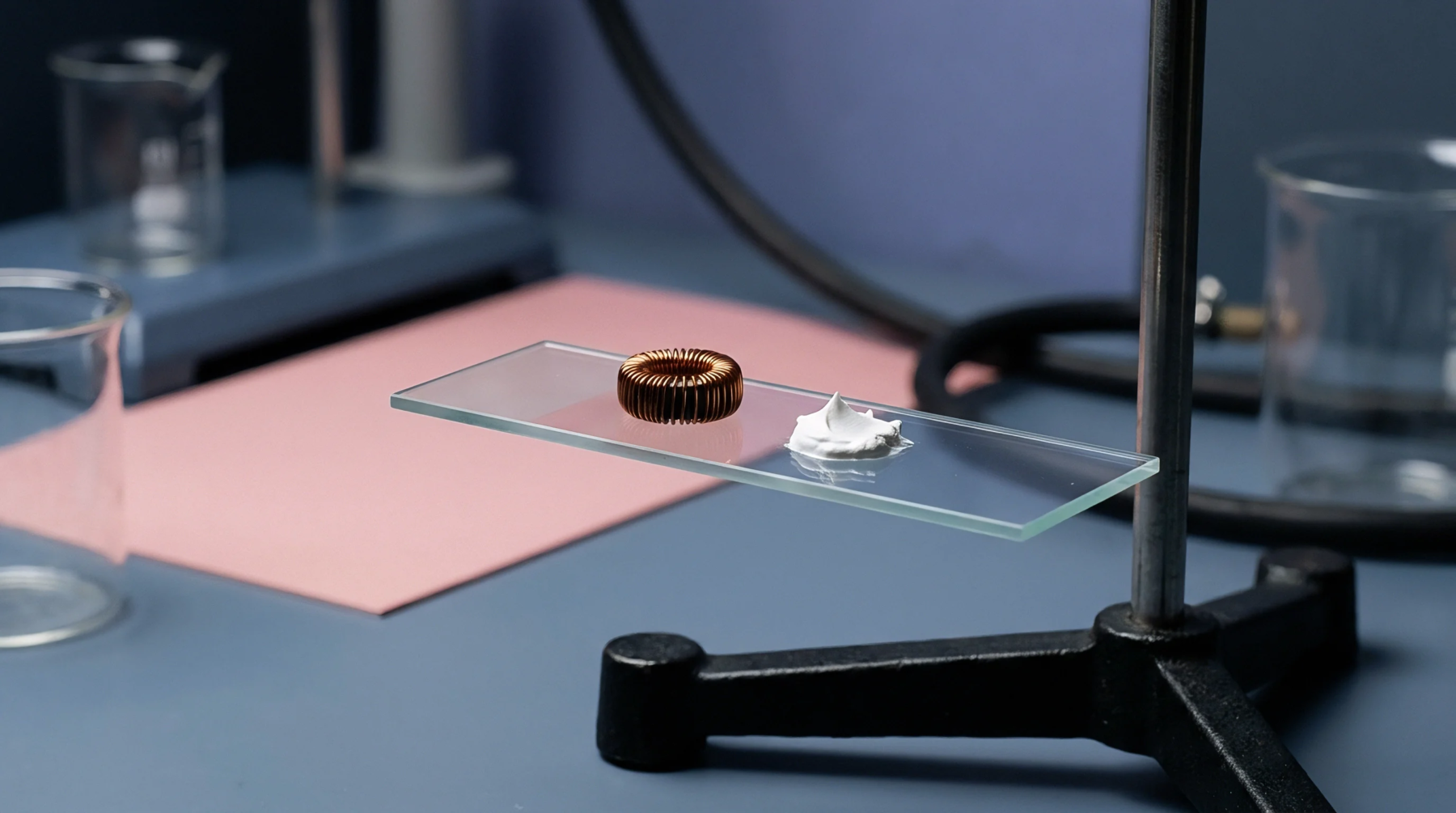
A solder joint defect occurs when the cooling profile of a wave solder machine produces distorted vertical wetting shapes. Crowns and spears describe these irregular solidification patterns where the molten metal forms peaks or sharp metallic protrusions instead of smooth concave fillets. These anomalies inhibit mechanical integrity and bridge narrow pitch components during high density assembly.
The defect indicates an imbalance between the conveyor speed and the flux activity levels.
Thermal Gradient
Airflow velocity across the molten wave governs the rate of heat dissipation from the connection. Crowns and spears develop when localized cooling happens faster than the wetting process can compensate. High lead content alloys demonstrate a wider pasty range which increases the frequency of these vertical formations.
Operators calibrate the preheat intensity to narrow the solidification window. The occurrence remains tied to the specific thermal mass of the component leads.
Process Inspection
Visual inspection protocols identify these features by the lack of consistent fillet curvature. An acceptable connection displays a gentle slope from the pad to the lead. Crowns and spears force a rejection because the protruding metallic shards puncture conformal coatings.
Automated optical systems flag these deviations by measuring the intensity of light reflected from the uneven surface topography. Standard rework criteria require reflow or additional flux application to smooth the joint geometry. The presence of these formations signals a breakdown in temperature control during the wave exit sequence.