Material Boundary
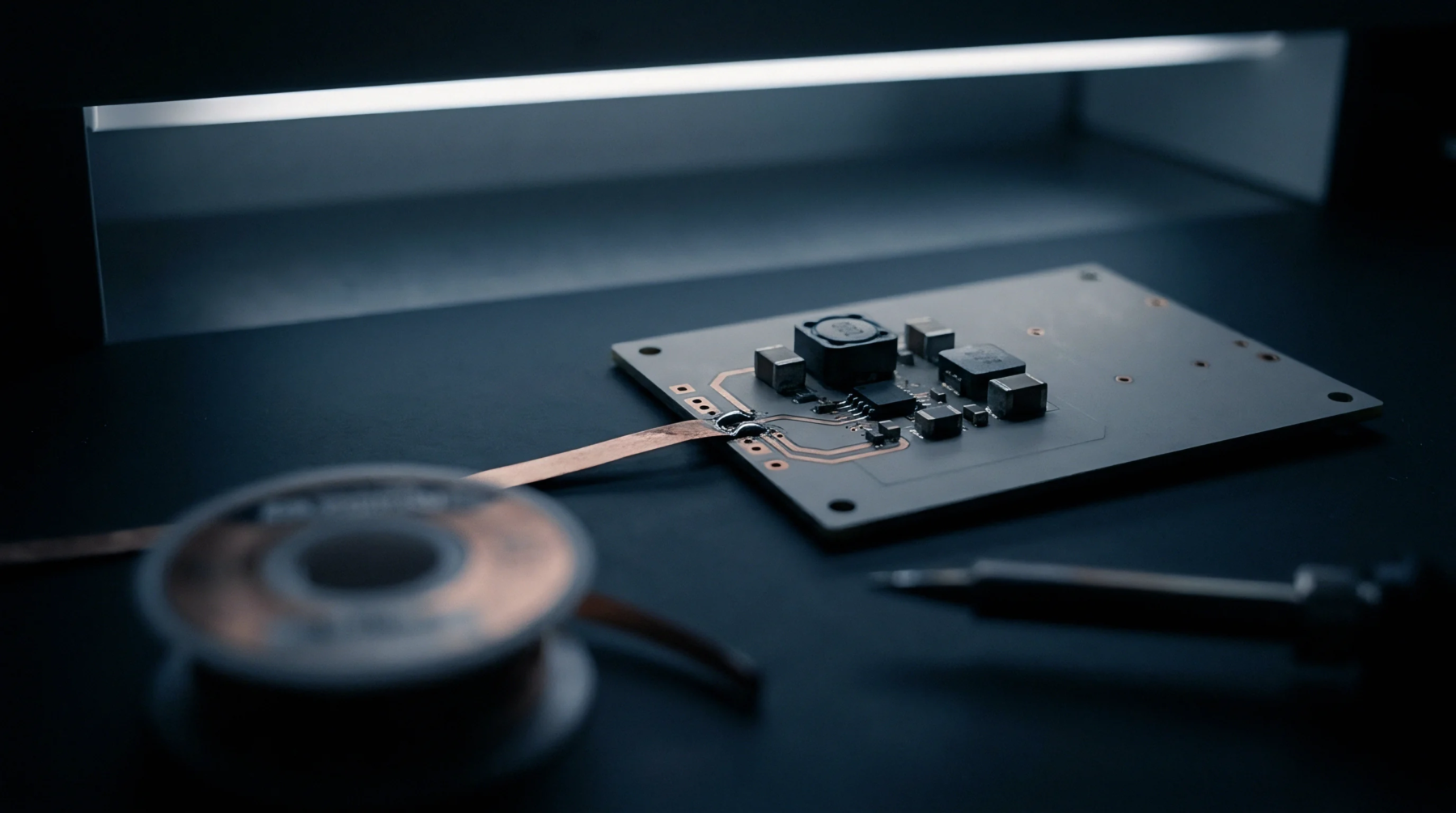
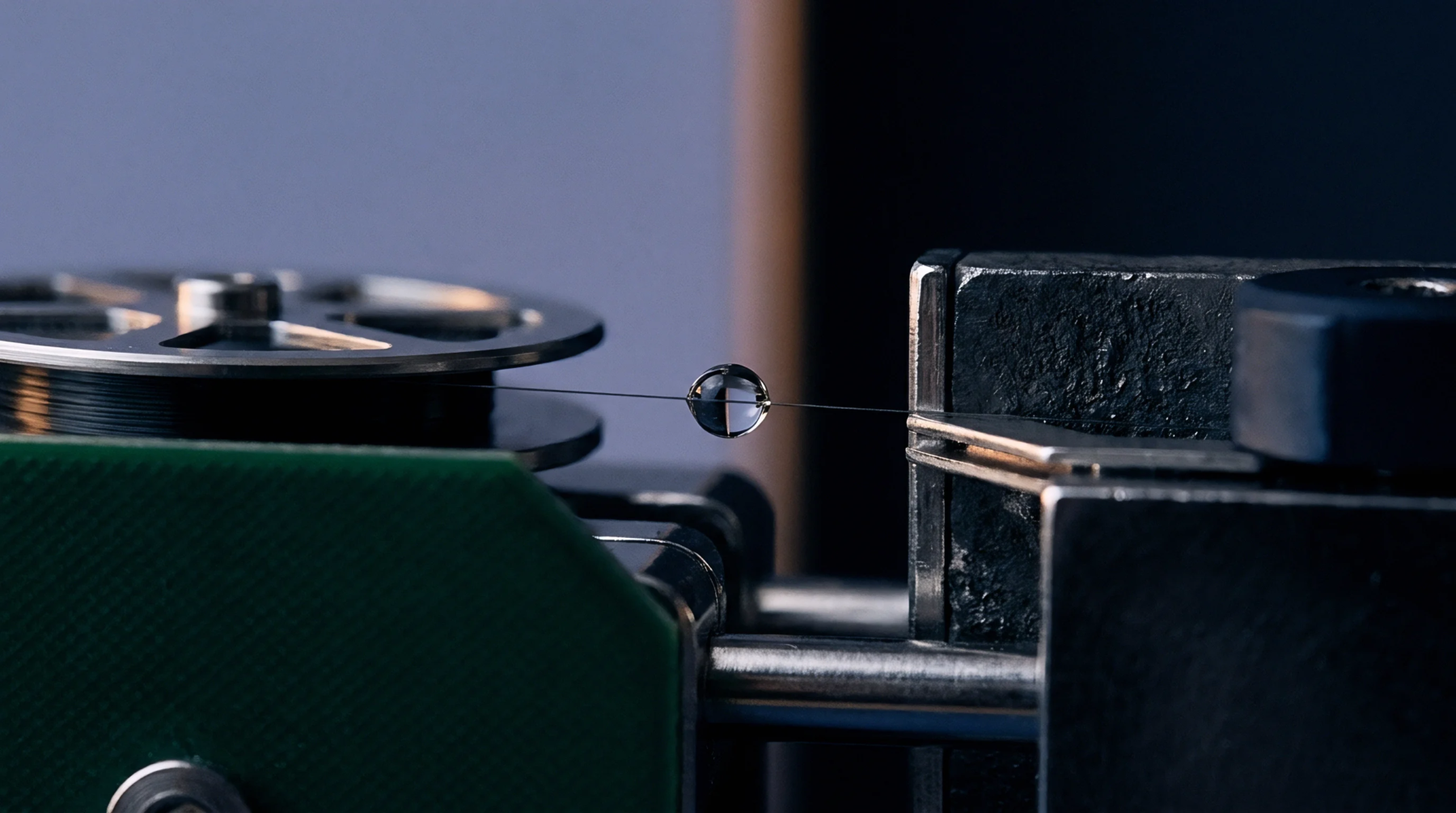
Electrodeposited Copper Ductility is the capacity of a galvanic foil deposit to elongate plastically under tensile loading before fracture occurs. Manufacturers measure this mechanical property through standard axial pull tests on isolated foil specimens or through ball bulge methods that replicate out of plane deformation. The specification governs the integrity of printed circuit board barrels and foil traces during thermal excursions, stopping precisely where the material transitions from elastic recovery to permanent deformation under mechanical stress.
Thermal Stress
During multilayer lamination cycles and wave soldering operations, internal layer interconnections face severe mechanical strain due to mismatched coefficients of thermal expansion between the copper foil and the surrounding resin matrix. Electrodeposited copper ductility provides the necessary elongation margin to absorb these dimensional shifts without inducing microvoids or complete barrel cracking in plated through holes. Lower elongation values invariably lead to fatigue failures when boards undergo rapid heating during assembly processes.
Grain structure refinement additives introduced during the plating bath maintenance phase directly dictate how well the deposit accommodates this operational stress.
Process Control
Plating bath chemistry variations, brightener concentrations, and cathode current densities directly influence the resulting grain orientation within the deposited copper layer. Technicians monitor these parameters continuously to prevent columnar grain growth, which reduces overall elongation performance and leads to brittle fractures during subsequent fabrication steps. Microscopic cross section analysis catches inferior grain morphologies before components reach final customer delivery.