Staging Support
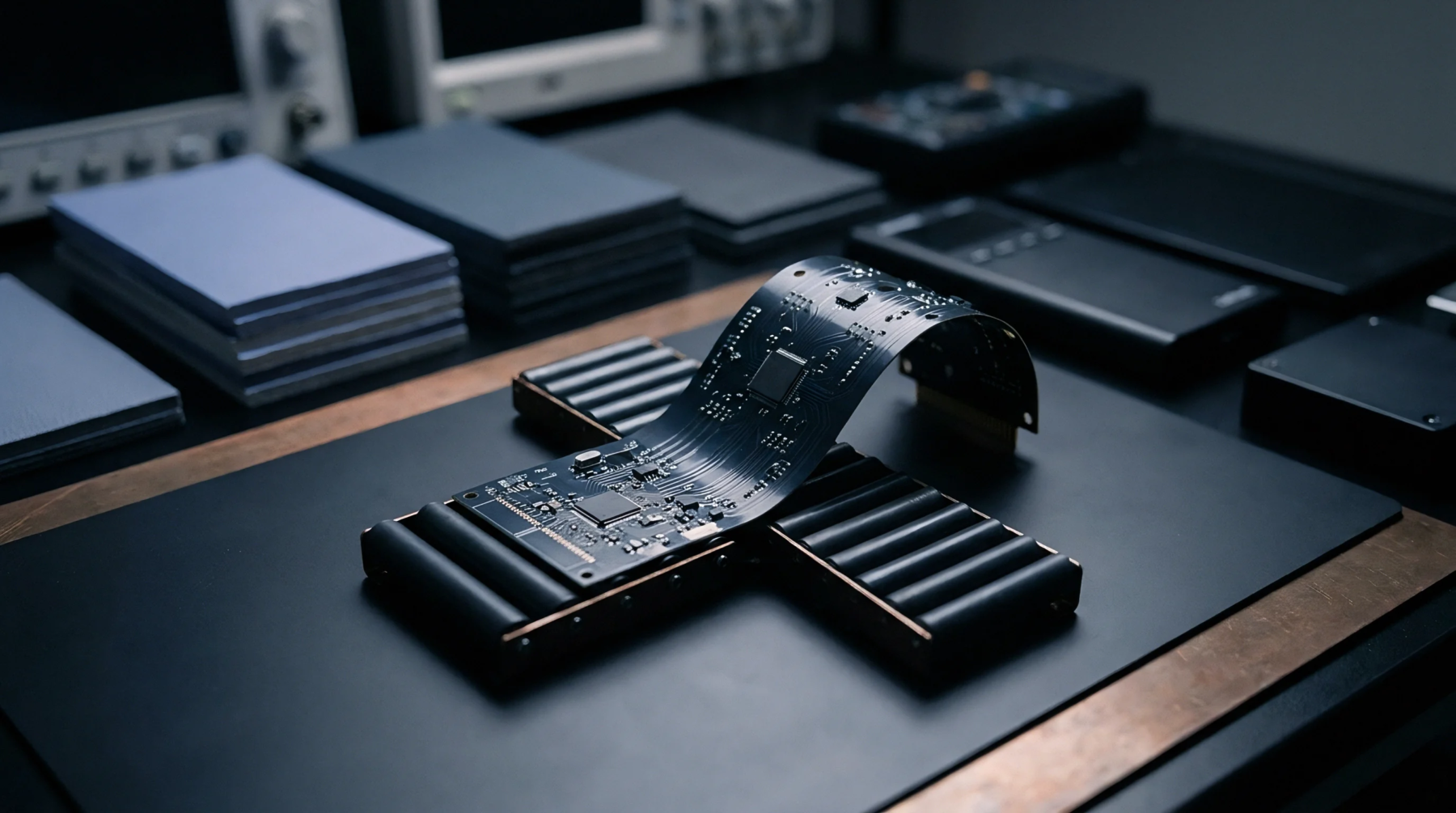
Stationary framework designed to hold a printed circuit board in a fixed coordinate system during automated electrical testing provides the necessary stability for mobile probes. The flying probe fixture typically consists of a universal rail system or a custom-milled plate that supports the edges and prevents board flexure. It ensures that the horizontal and vertical coordinates of the test program align perfectly with the physical pads.
Precision testing of small surface mount pads requires a rigid mounting environment to avoid probe misses or damage.
Alignment Logic
Vacuum hold-down modules or mechanical clamps secure the substrate against the reference pins. Because the flying probe fixture does not use a bed-of-nails, it allows for rapid setup and changes between different board designs. The support system must account for components on the bottom side of the board during double-sided testing.
Probes descend at high speeds and strike the target with controlled force. Any movement of the board within the frame during this impact will result in false failures or scratched traces. Soft-touch probes require even more stability to maintain contact without penetrating the solder mask or copper.
Throughput Constraint
Usage of this hardware is limited to low-volume production or prototype validation where the cost of a dedicated test head is prohibitive. The flying probe fixture cannot match the speed of a bed-of-nails system because the probes must travel to each point individually. Complex boards with thousands of test points are better served by other methods.
Mechanical stability remains the primary function of the frame throughout the test cycle.