Structural Deformation
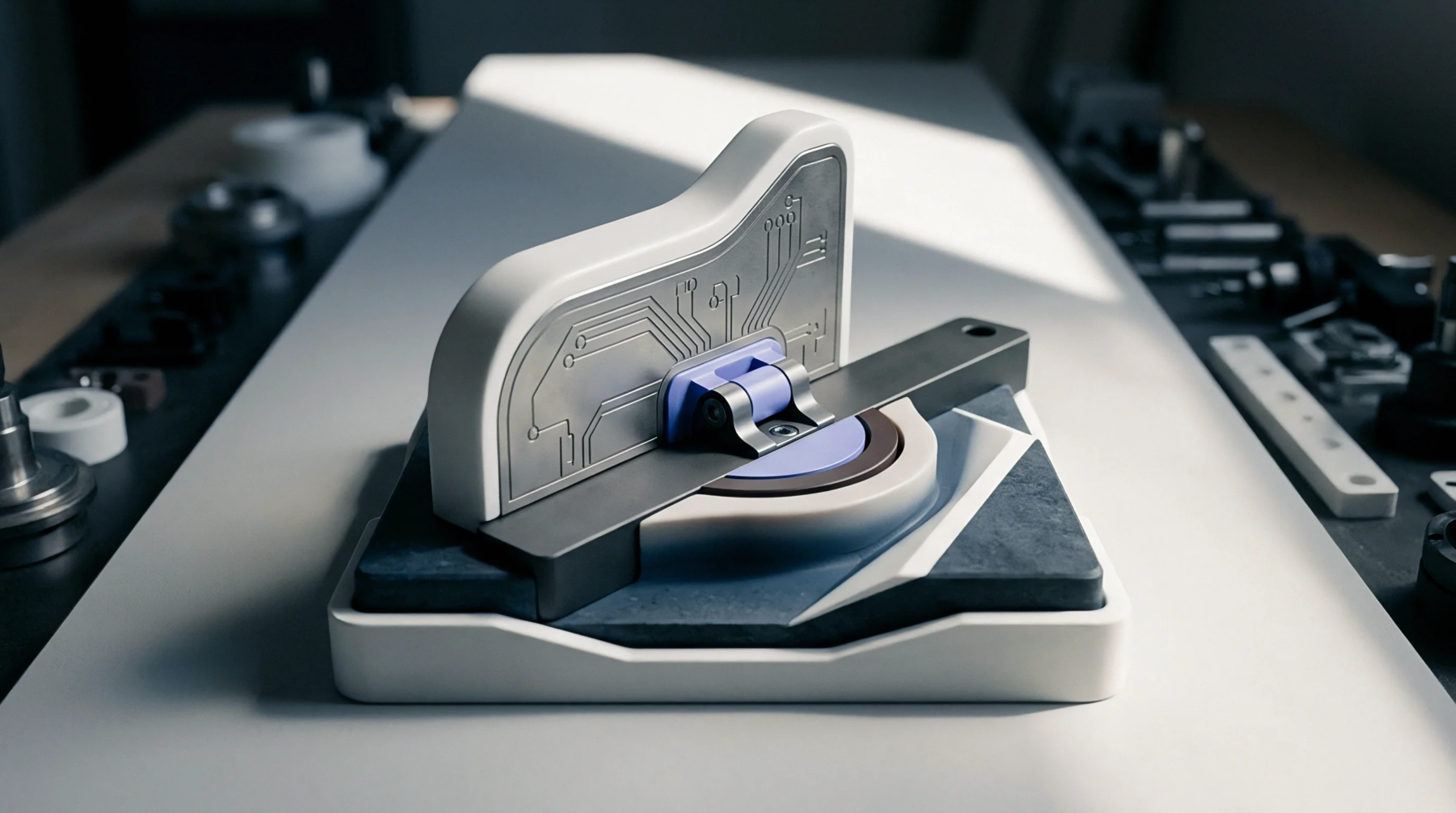
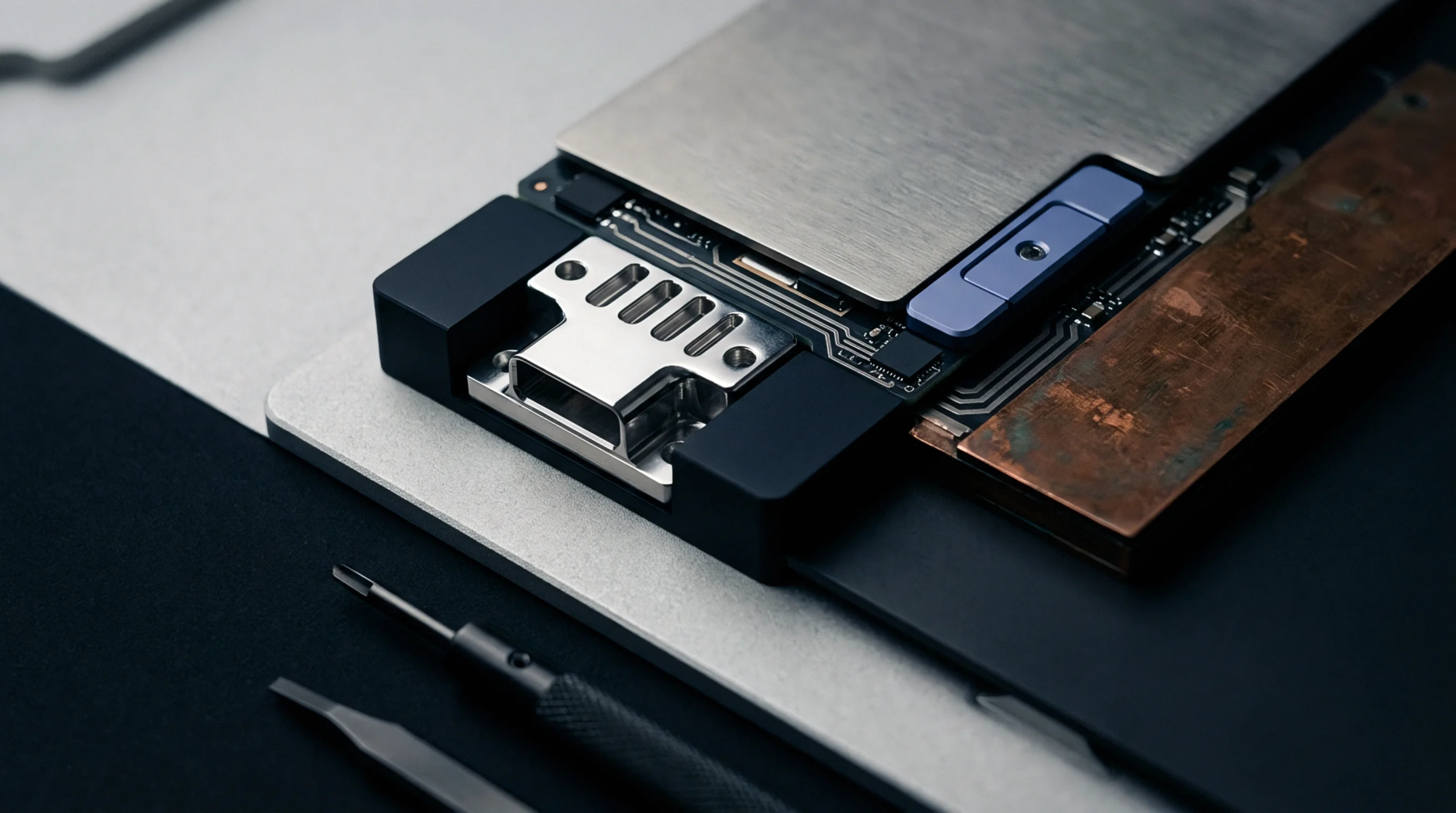
Positional deviation occurs when heat loads distort the physical geometry of pick and place machinery during heavy production cycles. Gantry thermal expansion introduces micron scale errors into the placement coordinates of electronic components. High speed motor operation generates localized heat that conducts through the bridge assembly, forcing the structure to deviate from its calibration zero point.
This drift necessitates active compensation algorithms within the controller to correct the offset before each placement cycle initiates.
Mechanical Constraint
Ambient environment stability dictates the limit of predictable movement in high accuracy placement equipment. Cooling systems regulate the cabinet temperature to prevent sudden shifts that outpace the correction software. Materials with low coefficients of linear expansion assist in maintaining structural integrity as internal temperatures rise throughout the day.
Constant monitoring of chassis sensors allows the control unit to map the physical growth in real time. Accurate prediction of this shift protects against alignment failures on high density boards.
Correction Requirement
Automated verification routines check the board fiducials periodically to detect deviations from the programmed coordinate system. Periodic calibration ensures the gantry thermal expansion does not exceed the tolerance band defined for fine pitch component assembly. Differences between expected and observed fiducial locations update the machine offsets dynamically.
Corrective motion profiles prevent the accumulation of placement errors that would otherwise lead to solder bridging or open circuits on complex hardware designs. The alignment capability of the manufacturing system remains limited by the thermal stability of its moving parts.