Clamping Force
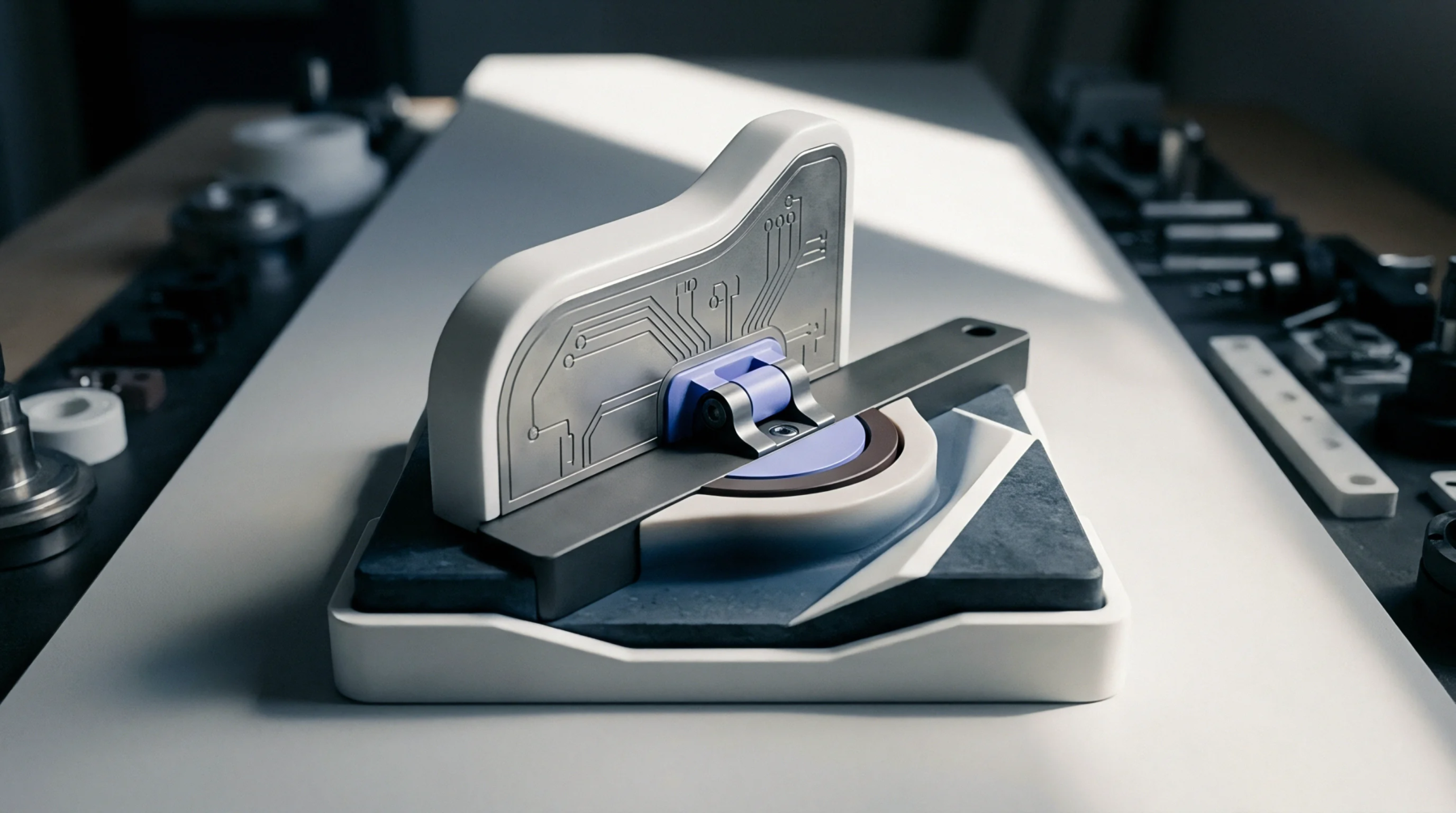
Proper lamination of multi-layer printed circuit boards depends entirely on hydraulic platen pressure to consolidate prepreg resins across copper traces. Fluid power drives the hydraulic press rams upward against steel platens to eliminate voids and guarantee complete polymer flow into internal etched spaces. Hydraulic platen pressure requires continuous closed loop feedback control because resin viscosity changes rapidly during the thermal ramp cycle.
Excess force squeezes out too much resin and causes starved dielectric layers, whereas insufficient force traps volatile gases and creates delamination defects during subsequent thermal stress testing.
Thermal Ramp
Heated oil circulation within the press platens raises the temperature of the assembly package at a controlled rate while hydraulic platen pressure remains applied. Thermocouples embedded inside the tooling plates monitor the temperature gradient to ensure uniform polymerization across the entire panel surface. Shear stresses develop within the composite layers when the temperature rises faster than the resin can accommodate through stress relaxation.
Void Control
Microscopic air pockets remaining trapped between laminate layers degrade dielectric breakdown voltage during high frequency operation. Ultrasonic scanning inspection detects these hidden voids after the pressing cycle finishes and the panels return to ambient temperature. Precise hydraulic platen pressure adjustments compensate for variations in resin content between different material lots to maintain consistent finished thickness values.