Elemental Analysis
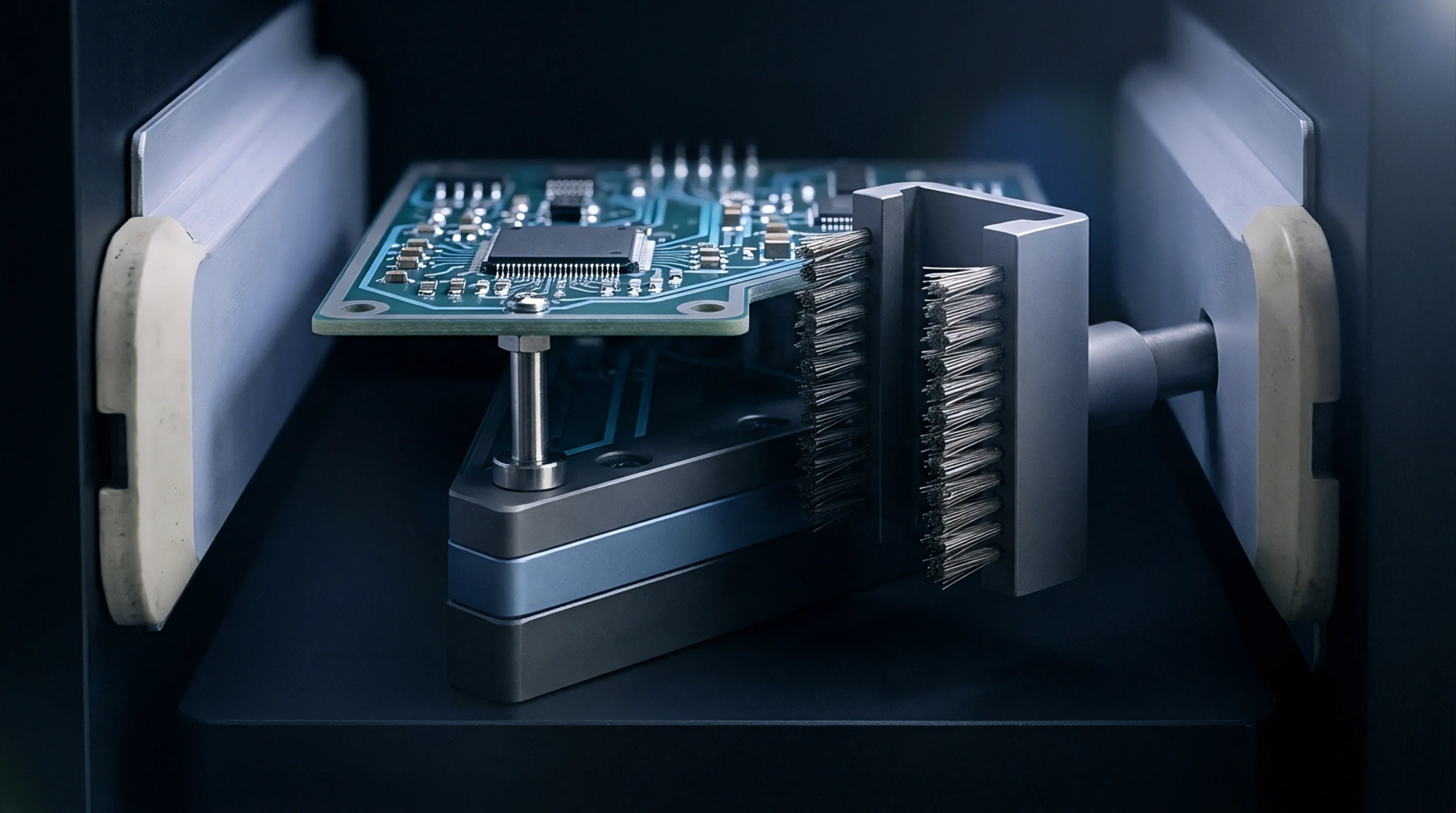
Spectroscopic analysis utilizes an argon plasma torch to excite atoms, which emit characteristic light used to determine the elemental composition of a sample. In the electronics sector, icp oes provides quantitative measurement of heavy metals and halogen compounds extracted from board materials. The technology detects metal concentrations down to parts-per-million levels, making it suitable for material validation.
Digestion Technique
Sample preparation involves acid digestion to dissolve solid printed circuit board fragments into an aqueous solution. This solution is nebulized into a fine aerosol and carried into the high-temperature plasma to be atomized. As each element returns to its ground state, the light emitted is separated into specific wavelengths by a spectrometer.
The intensity of these wavelengths is compared against calibration curves of known standards to calculate the exact elemental concentrations in the board sample.
Compliance Testing
Regulatory limits on hazardous substances drive the need for precise elemental quantification during quality audits. Manufacturers deploy icp oes to verify compliance with restriction of hazardous substances directives by checking for lead, mercury, and cadmium in solder alloys and plastic housings. The method provides a definitive verification when screening techniques like X-ray fluorescence return borderline or inconclusive results.
Testing labs rely on this high-sensitivity method to certify that all supply chain materials meet clean-product mandates before volume production begins. This laboratory step ensures that no non-compliant materials are introduced into consumer electronics.