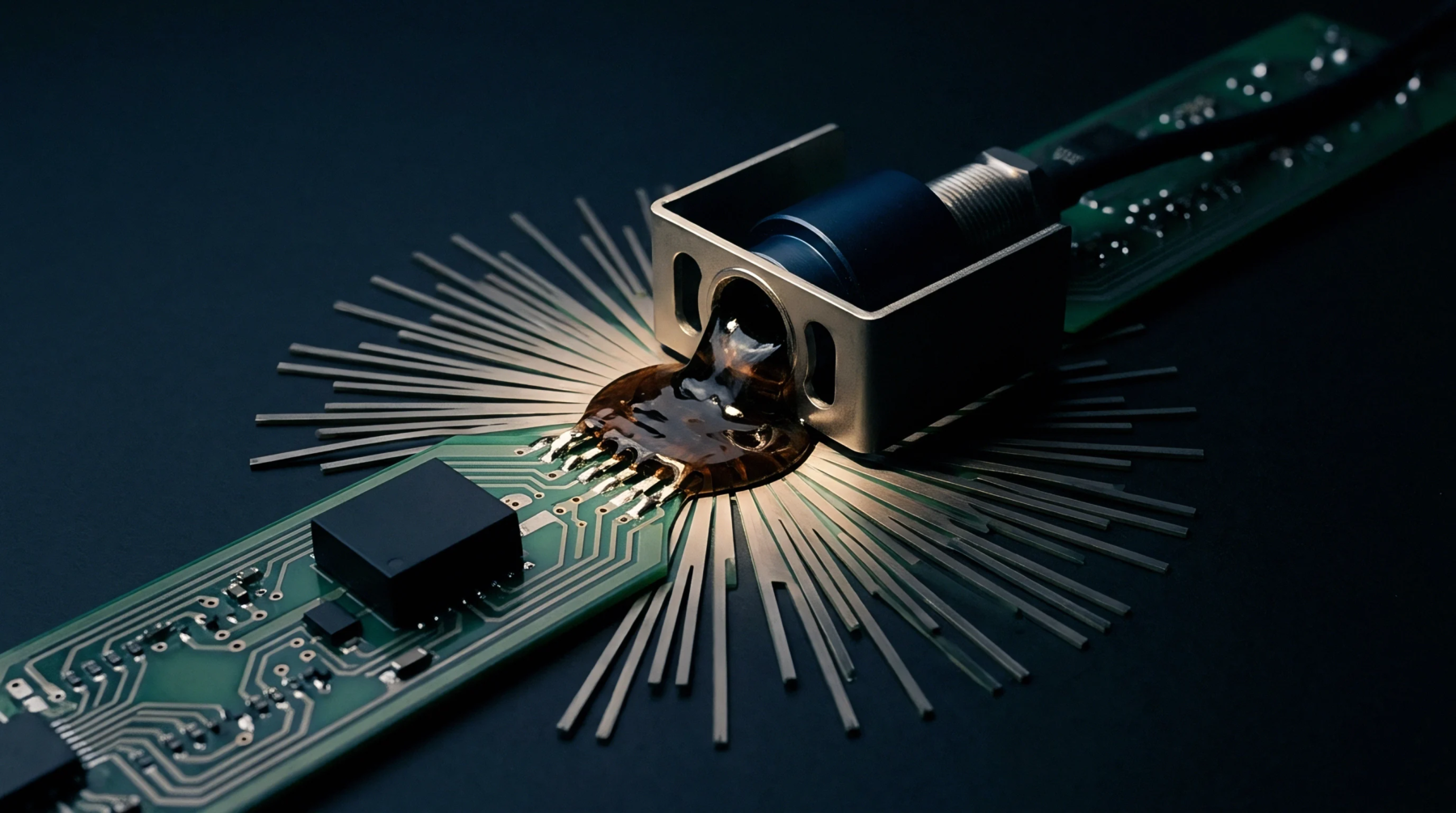
Solver Variance
Electromagnetic modeling software calculates trace impedance by analyzing geometry and dielectric properties over iterative simulation cycles. Impedance solver drift describes the gradual divergence of these calculated values from physical reality during successive revisions or complex layout changes. Discrepancies emerge when small adjustments in copper trace geometry or substrate weave patterns accumulate errors that the computational engine fails to account for correctly.
Engineers observe this condition when simulated results move away from measured coupon data as the stackup increases in complexity.
Numerical Deviation
Algorithms governing field solvers process input parameters by discretizing geometries into finite meshes where the resolution of this mesh limits the precision of the output. Finite element analysis requires enough nodes to capture high frequency signal propagation accurately across board layers. Reduction in mesh density to save processing time often causes the software to lose track of exact skin effect losses.
Large differences in solver settings between the initial stackup design and final routing file generate artificial variations that mislead the fabrication house. Accurate modeling requires consistent mesh parameters across all iterations to isolate genuine design changes from computational instability.
Validation Protocol
Fabrication facilities detect this shift by comparing time domain reflectometry results against the theoretical impedance targets derived from the simulation suite. Production boards often require adjustment when empirical coupon data shows a consistent trend away from the nominal values predicted by the design software. Correlation between automated test equipment and the solver output establishes the degree of drift currently active in the manufacturing process.
Regular benchmarking of the software against actual hardware measurements keeps the simulation environment calibrated to current board shop material behavior. Control of this parameter prevents costly re-spins by maintaining alignment between virtual predictions and hardware performance.