Moisture Mitigation
Printed circuit board assembly manufacturers follow IPC-1601 as a primary guideline for handling bare substrates to prevent delamination during thermal excursions. Printed circuit boards absorb ambient humidity through exposed dielectric materials and open microvias. Storing laminates in temperature controlled dry cabinets restricts moisture ingress before reflow soldering occurs.
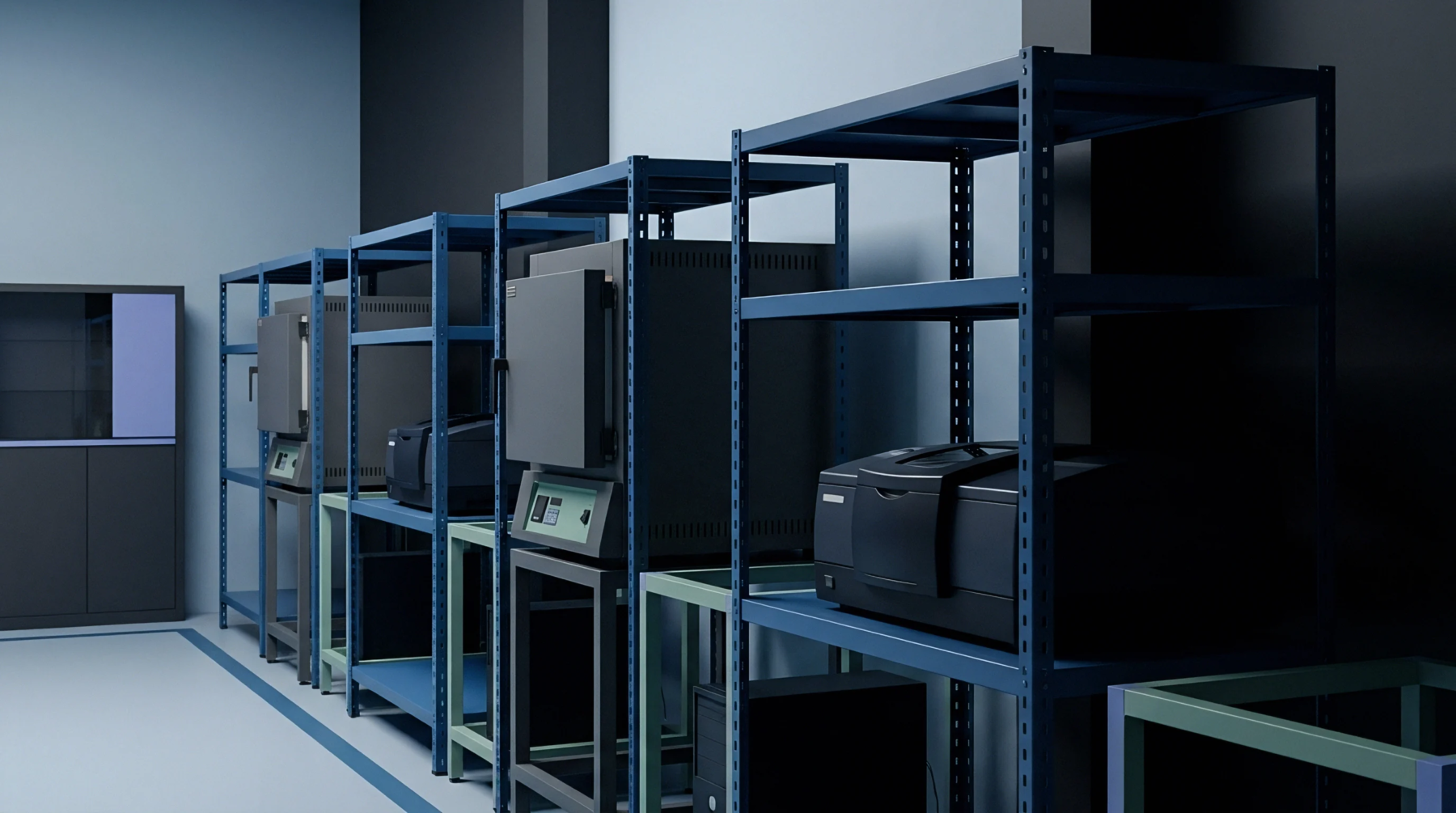
High moisture levels trapped inside the laminate structure vaporize rapidly during lead free reflow cycles. Vapor pressure creates internal delamination, pad lifting, and barrel cracking within plated through holes. Bake procedures restore acceptable moisture limits when boards exceed allowable exposure limits.
Operators monitor baking temperatures to avoid degrading glass transition temperatures or oxidizing copper surface finishes.
Thermal Exposure
Exposing bare substrates to elevated temperatures alters copper peel strength and resin crosslinking characteristics. IPC-1601 establishes safe baking parameters to remove absorbed moisture without inducing premature resin degradation. Excessive baking causes intermetallic growth on surface finishes and reduces solderability during subsequent assembly operations.
Engineers calculate bake durations based on board thickness, copper weight, and initial moisture content measurements. Stacking boards horizontally with appropriate spacers prevents warp during prolonged thermal cycles. Post bake cooling must happen in dry environments to eliminate immediate reabsorption of atmospheric humidity.
Storage Control
Substrate longevity depends heavily on barrier packaging integrity prior to factory floor introduction. Vacuum sealed moisture barrier bags containing desiccant packs protect vulnerable copper surfaces from oxidation and contamination. Facilities record floor life clocks immediately upon opening protective packaging to track total exposure duration accurately.
Manufacturers discard or recondition materials exceeding maximum allowable factory floor exposure windows. Proper inventory rotation ensures older stock undergoes processing before newer shipments arrive on the assembly line. Hermetic sealing protects sensitive laminates during prolonged transport across diverse climatic regions.