Dimensional Stability
Thermal expansion measurement provides the quantitative baseline for determining how base materials react to temperature shifts during fabrication. Manufacturers utilize ipc-tm-650 2.4.24 to calculate the coefficient of thermal expansion for laminates used in high density interconnect boards. Accurate data on these physical changes prevents the catastrophic delamination of inner layers when the board reaches solder reflow temperatures.
The procedure requires specialized equipment to track displacement as the specimen temperature rises through the glass transition range.
Testing Apparatus
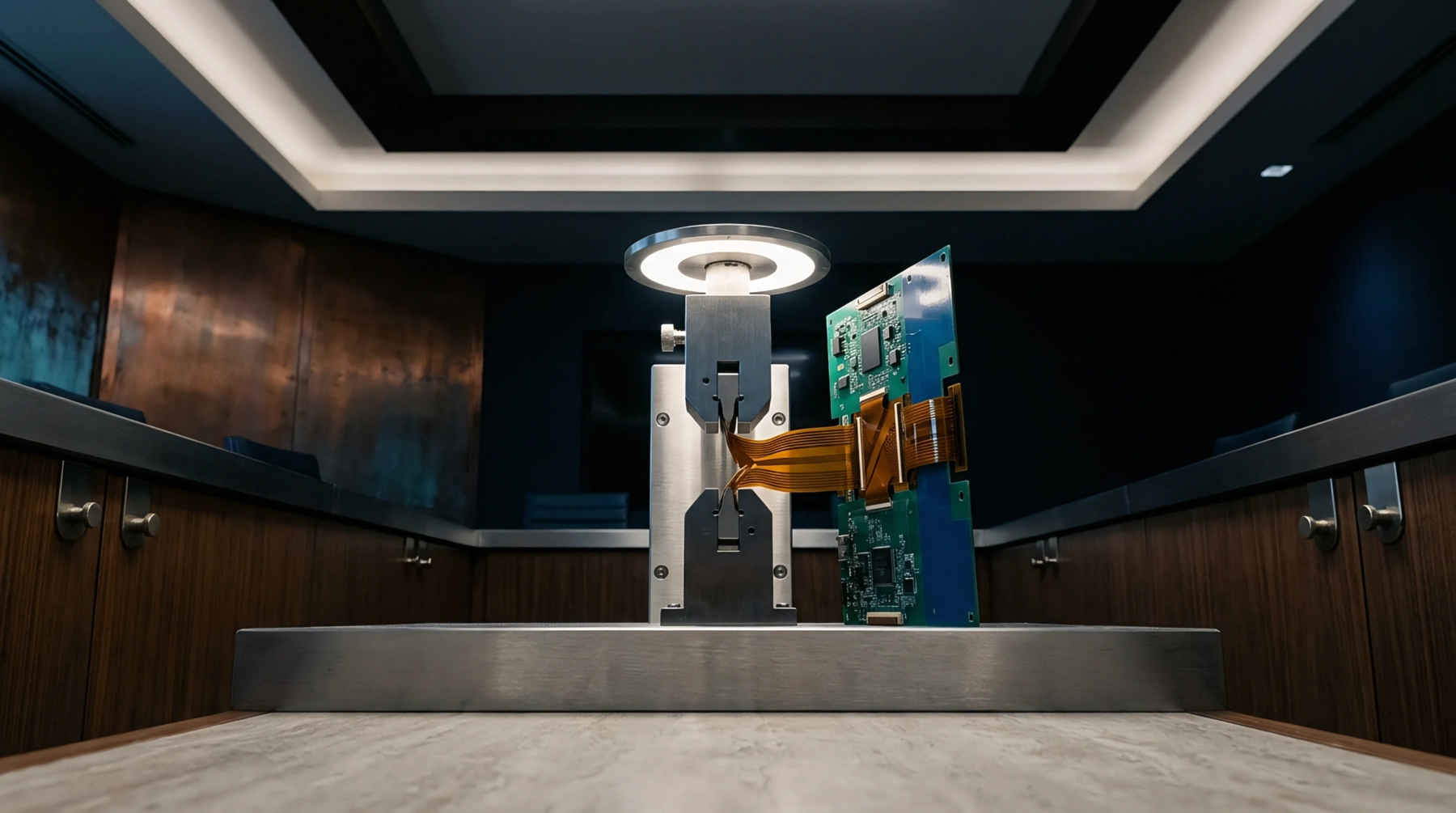
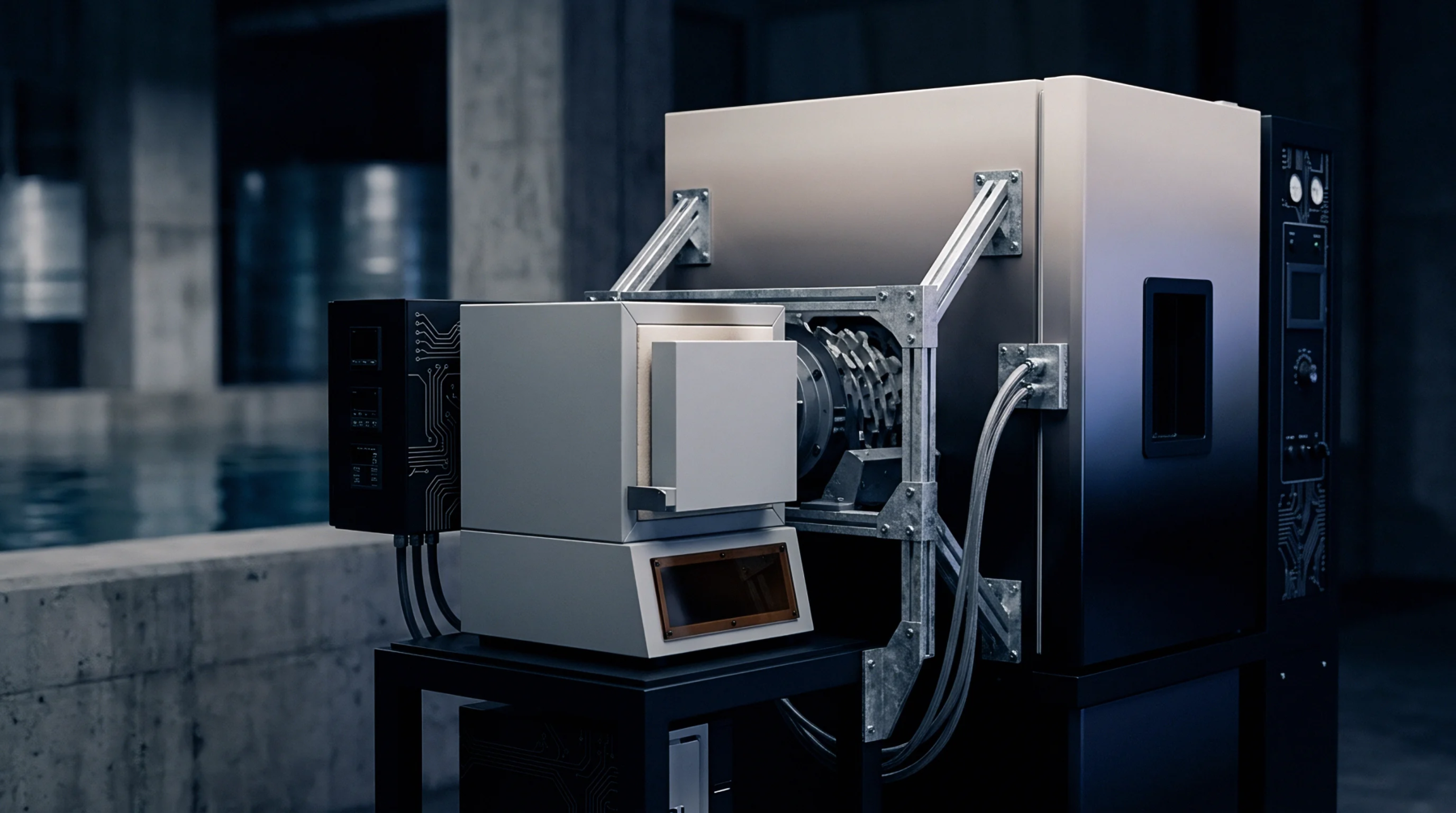
A thermomechanical analyzer serves as the primary tool to exert a load on the specimen while recording expansion. Technicians prepare the sample by cutting small sections from the core material to fit the probe assembly precisely. The instrument ramps heat at a controlled rate and logs the change in length against the baseline dimensions.
This process exposes the linear expansion rates that govern the mechanical integrity of the multilayer stack. Consistent readings from the test enable engineers to match the expansion properties of copper cladding with the underlying dielectric layers to avoid stress concentrations.
Material Qualification
Qualification protocols demand rigorous adherence to specified temperature profiles to ensure that the reported values reflect the material behavior under actual production constraints. The requirement identifies the specific thermal limits for different resin systems commonly deployed in modern electronic housings. Boards constructed from materials with high expansion coefficients often experience barrel cracking in the plated through holes after multiple thermal excursions.
Precise measurement of these properties during the initial procurement phase dictates the reliability of the finished assembly in harsh operational environments.