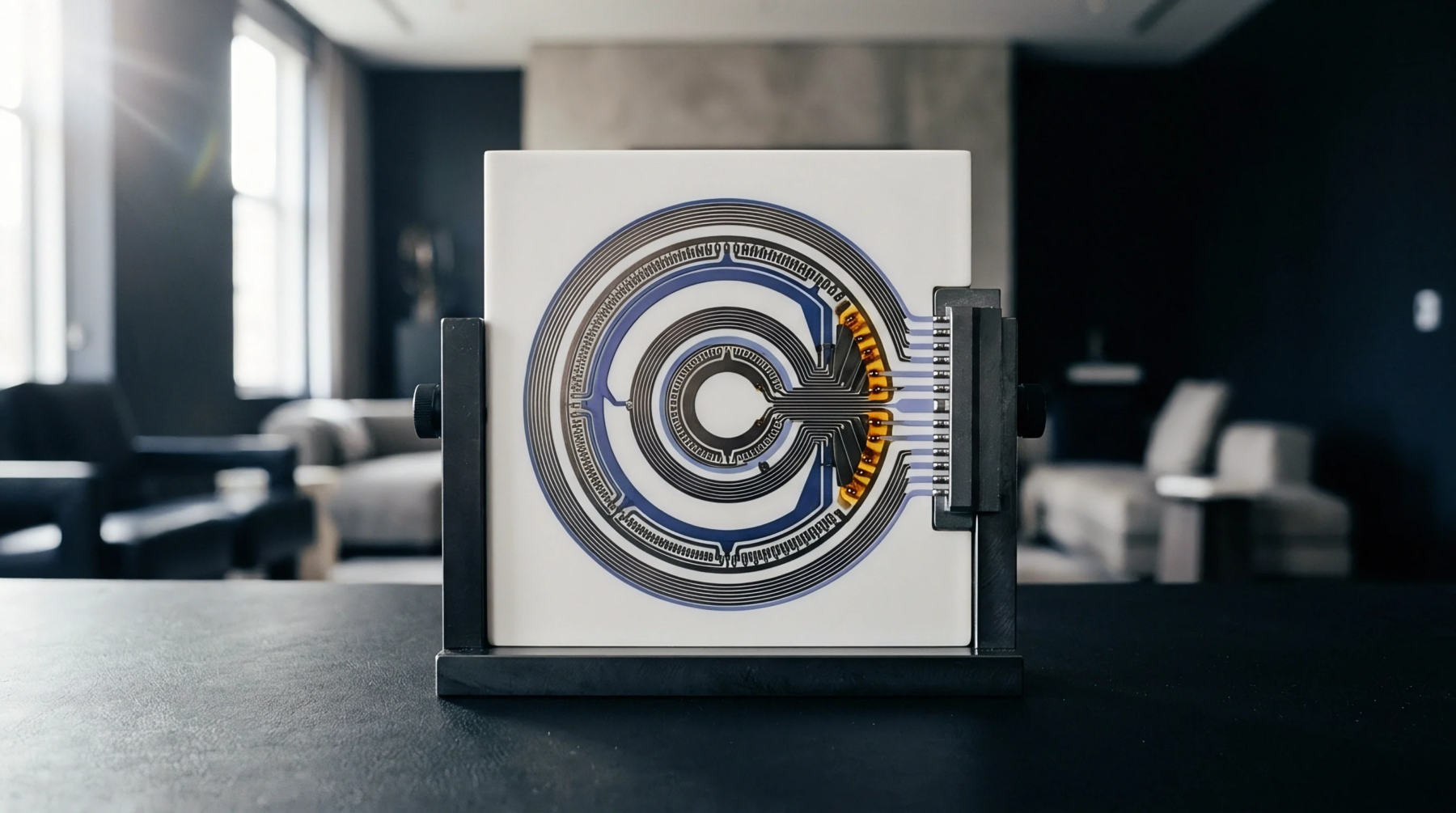
Dielectric Measurement
Insulation integrity validation defines the electrical capability of a solid material to obstruct current flow between two points under a high direct current voltage. Isolation resistance testing determines this parameter by applying a specific potential across conductors or between a conductor and ground. Technicians report the resulting value in megaohms or gigaohms to confirm that the separation distance and dielectric constant meet required safety thresholds.
Leakage current paths through moisture, contaminants or material degradation reduce these values during operation.
Process Verification
Fabricators perform this evaluation after the application of conformal coatings or the final curing of multilayer boards. Automated equipment applies the test voltage for a set duration while monitoring current magnitude. Cleanliness levels on the surface directly influence the outcome because ionic residues lower the path resistance.
Boards failing this assessment undergo a solvent wash followed by a bake cycle to remove trapped moisture before a repeat attempt. Engineers evaluate the board layout to ensure trace spacing prevents arcing at the rated operational potential.
Performance Constraint
Environmental conditions exert a massive influence on the measured output because humidity and temperature fluctuations alter the behavior of insulating polymers. Higher temperatures generally decrease the resistive capacity of the dielectric material while moisture absorption creates conductive bridges across fine pitch features. Design specifications mandate minimum thresholds that stay valid across the expected service lifespan of the hardware.
Consistent compliance ensures the printed circuit assembly operates without shorting or degradation in field environments where contamination remains possible.