Thermal Window
Heating curves dictate the metallurgical formation of solder joints during surface mount technology assembly, requiring exact temperature tracking to prevent both incomplete wetting and intermetallic degradation. A lead-free reflow profile specifies the time and temperature parameters applied to circuit boards inside convection furnaces. Higher liquidus thresholds demanded by tin silver copper alloys necessitate tighter process control than traditional eutectic solder pastes.
Zone temperatures balance the transfer of thermal energy against component thermal shock limits.
Metallurgical Boundary
Peak temperatures exceeding two hundred sixty degrees Celsius risk delamination of copper foils and blistering in organic laminate substrates. Excess duration above liquidus thickens brittle copper intermetallic layers, directly reducing mechanical drop test reliability. Cooling rates dictate grain size refinement within the solidified joint, where rapid quenching prevents microvoid coalescence.
Atmospheric oxygen concentration inside the nitrogen purged tunnel must stay below one thousand parts per million to avoid excessive surface oxidation during the high heat phase.
Defect Signoff
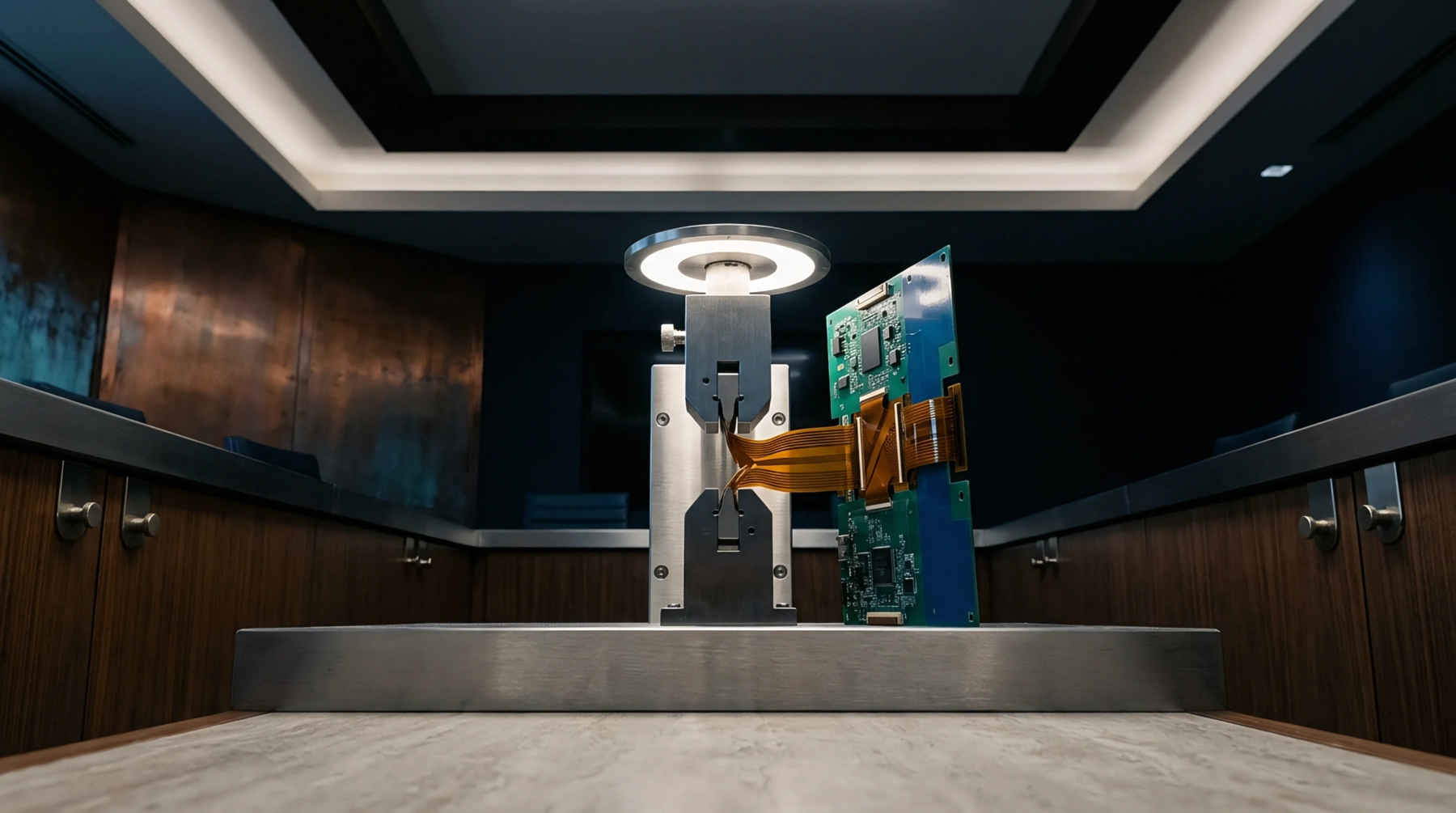
Automated optical inspection systems cannot detect internal microvoids or non-wetting anomalies hidden beneath bottom termination components like quad flat no leads packages. Transmission X-ray imaging verifies void percentages against standards such as IPC-A-610, ensuring internal voids occupy less than twenty five percent of total solder joint area. Destructive shear testing validates joint strength on sample boards pulled from the active production line.
Thermal profile verification runs use specialized data loggers attached to test boards, confirming every component on the high density assembly stays inside manufacturer tolerance limits during continuous manufacturing runs.