Verification Protocol
Systematic clearing and inspection of automated assembly equipment removes leftover components, printed circuit boards and documentation before starting a new manufacturing run. Quality management systems mandate line clearance to prevent cross-contamination of parts and ensure that only correct bill-of-materials items enter production lines. Technicians remove unassigned reel tapes, stencil stencils, solder paste tubs and work instructions from previous job setups before loading new job files into surface mount machines.
This operational control governs line changeovers on surface mount and thru-hole assembly lines and ceases once the first piece of a new job passes inspection.
Contamination Prevention
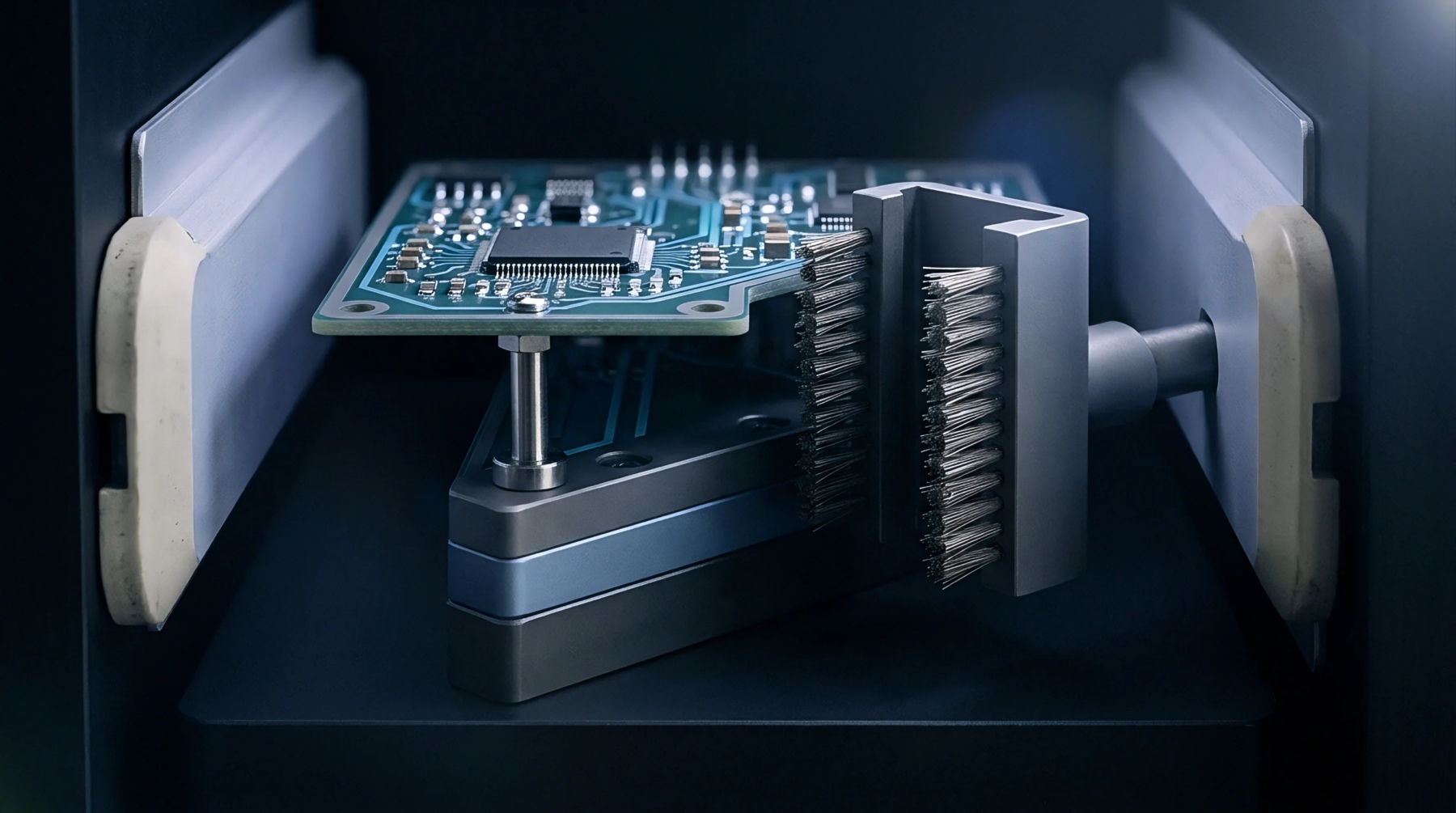
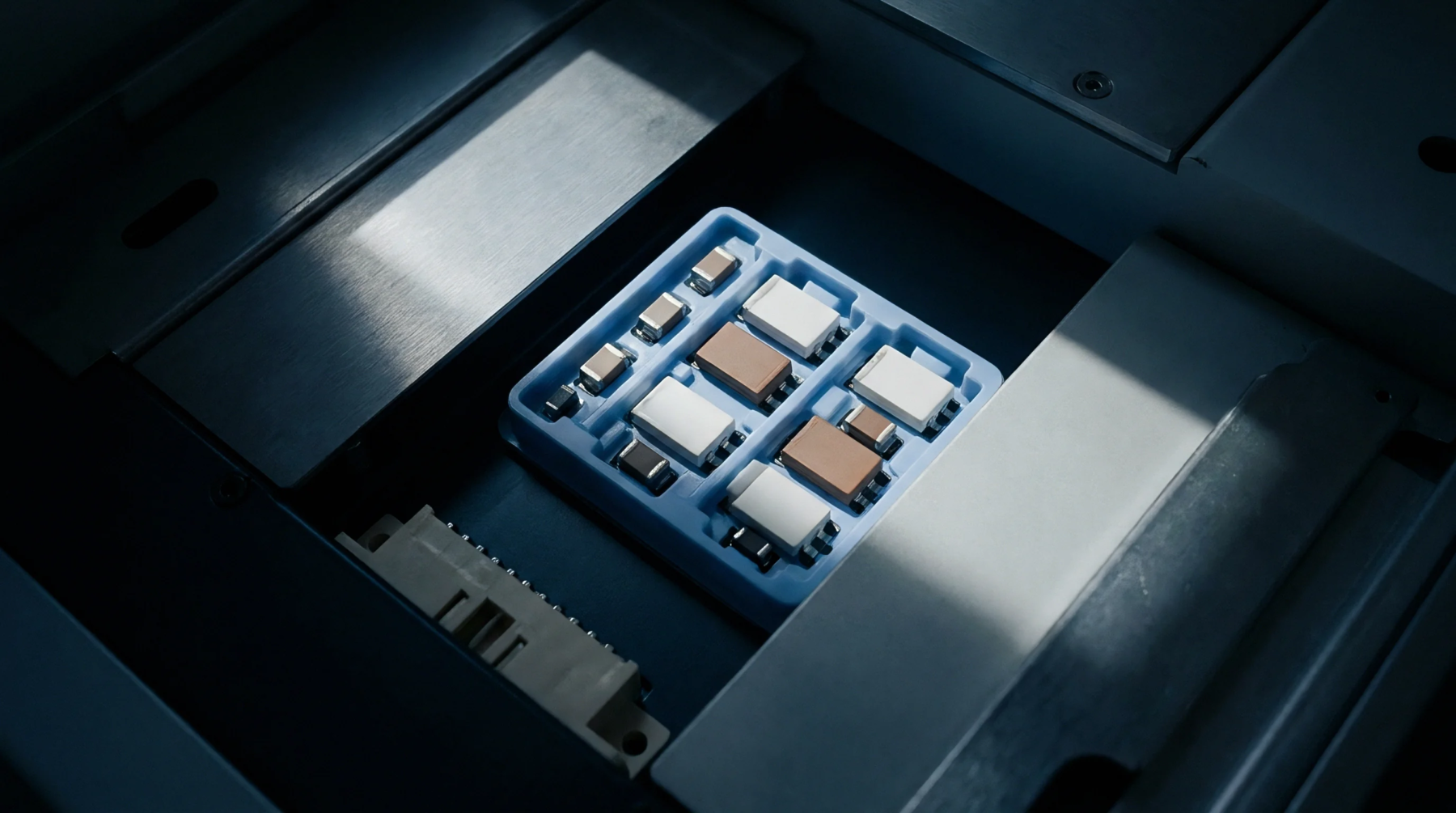
Visual sign-off checklists confirm that feeder racks contain no stray components from previous product builds. Trapped surface mount devices in conveyor side rails or pick head vacuum tubes drop onto subsequent boards, creating severe placement errors.
Workday Audit
Quality assurance auditors inspect stencil printers, pick and place feeders, reflow ovens and manual assembly stations to verify complete physical isolation between batches. Traceability protocols require recorded verification signed by certified line operators before component reels load into feeder banks. Automated manufacturing execution systems enforce line clearance gate stops, locking machine software until digital sign-off records register in the plant management database.
Rigorous clearing steps prevent costly product recalls resulting from wrong-value passive component placement or mixed assembly lot documentation.