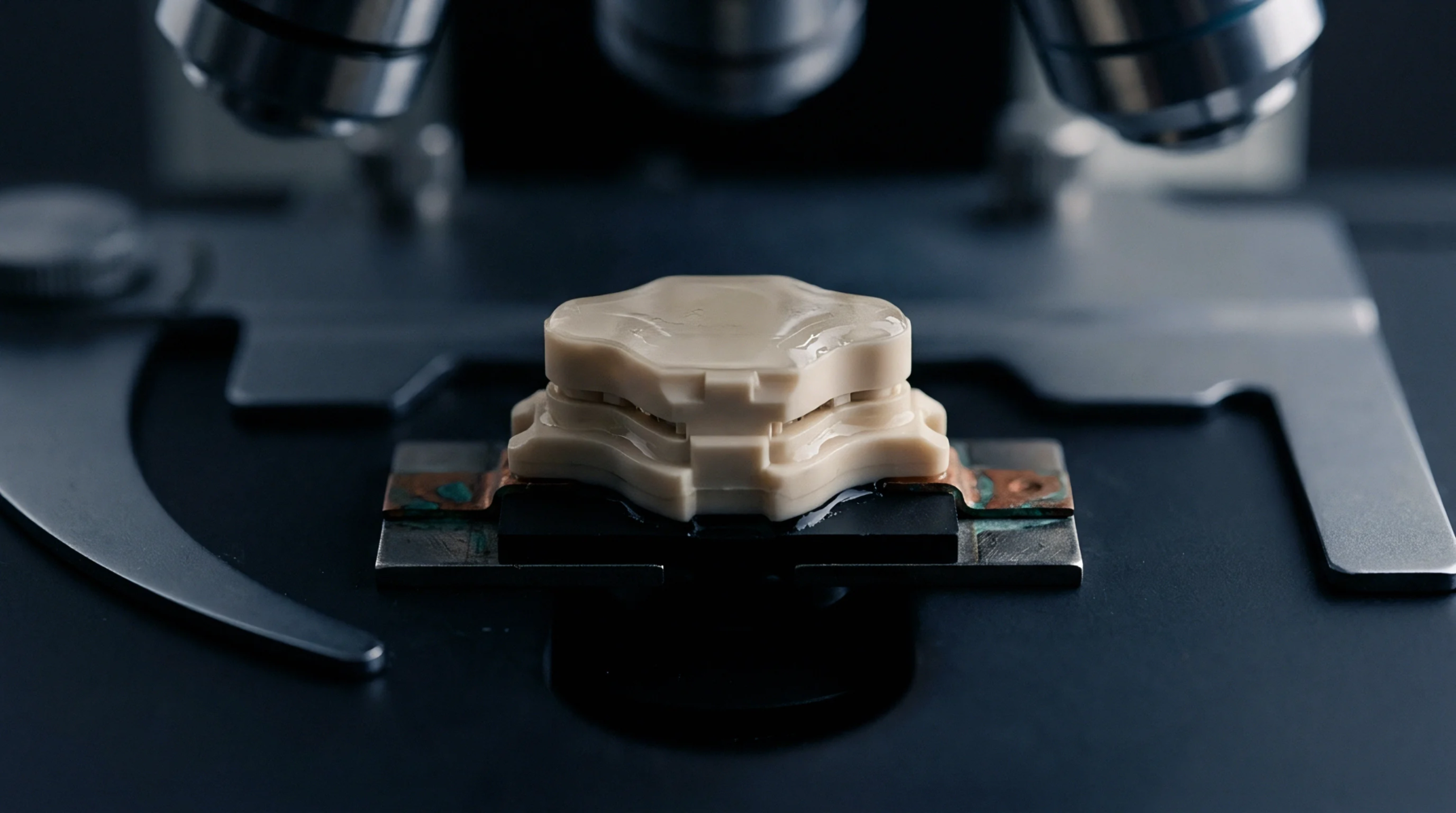
Kinematic Slack
Lost motion during direction reversals in positioning gantries degrades the accuracy of automated component placement on high-density circuit boards. This positioning error, termed mechanical axis backlash, originates from microscopic clearances between mating mechanical drive components like gears and lead screws. It introduces a physical delay where the motor turns but the placement head does not move.
Positioning Error
Sub-micron accuracy demands require that drive systems minimize any physical play to prevent the misalignment of small chip packages like 0201 or 01005 passives. Cumulative mechanical axis backlash results in skewed component placement and offset solder paste prints, leading to bridging or open circuits after reflow. High-precision assembly lines utilize preloaded ball screws and linear encoders to bypass these mechanical inaccuracies.
Error Compensation
Controller software can actively counteract some of this lost movement by adding correction steps whenever an axis reverses its travel direction. This compensation method measures the mechanical axis backlash during system calibration and injects the necessary offset pulses into the motor drive signal. However, as mechanical wear progresses over millions of cycles, the backlash value increases, which requires automatic inspection routines to flag when the physical play exceeds the compensation limit.
Regular lubrication and tension adjustments are needed to keep the drive system operating within its rated placement tolerance.