Chemical Property
Molecular attraction at the boundary of a protective thin film dictates how fluids interact with the treated board surface. Nano-coating surface energy determines the ability of the coating to repel water, oils, acids and other contaminants found in harsh environments. Low values indicate a hydrophobic state where liquids bead up and roll off the assembly.
Adhesion Boundary
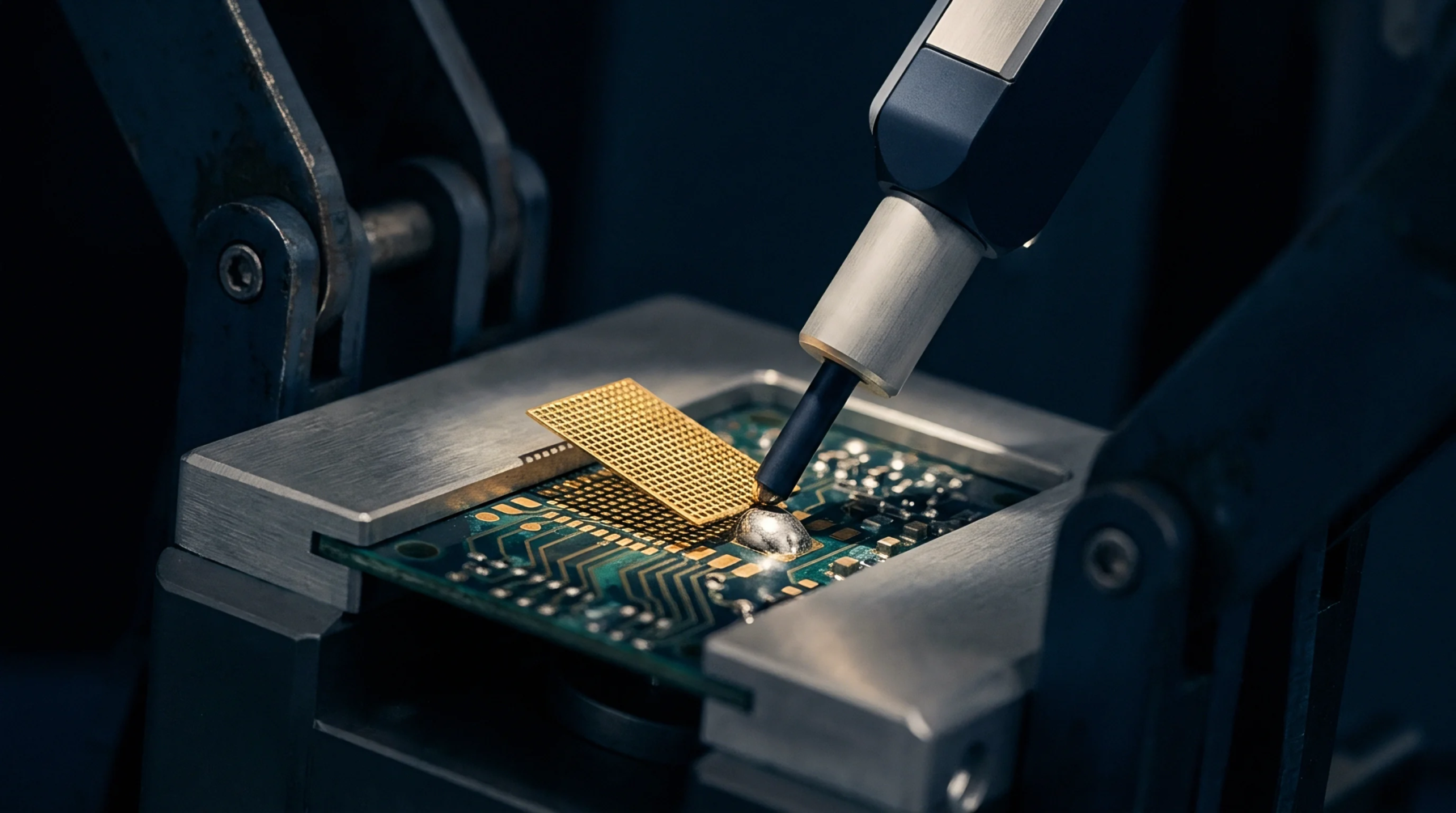
Coating integrity relies on the balance between the internal cohesion of the film and the attraction to the substrate. While a low nano-coating surface energy is desirable for environmental protection, it can make subsequent rework or secondary potting difficult. Solder cannot wet a surface treated with these materials, so masking or localized removal is necessary before repair.
Dyne pens or contact angle goniometers measure this property to verify that the application process meets the design specification.
Protection Mechanism
Moisture ingress is blocked when the repellent force of the film exceeds the capillary action that would otherwise pull water into small gaps. Because the coating is applied at the molecular level, nano-coating surface energy remains consistent even in the recesses of high pin count packages. This property prevents the formation of conductive liquid bridges that cause dendritic growth and leakage currents.
The treatment is often applied via vacuum deposition or specialized dipping to ensure a uniform layer across complex geometries. Since the layer is extremely thin, it does not trap heat or add weight to the electronics. Reliability in high humidity applications depends on the durability of this surface state over the service life of the product.