Thermal Differential
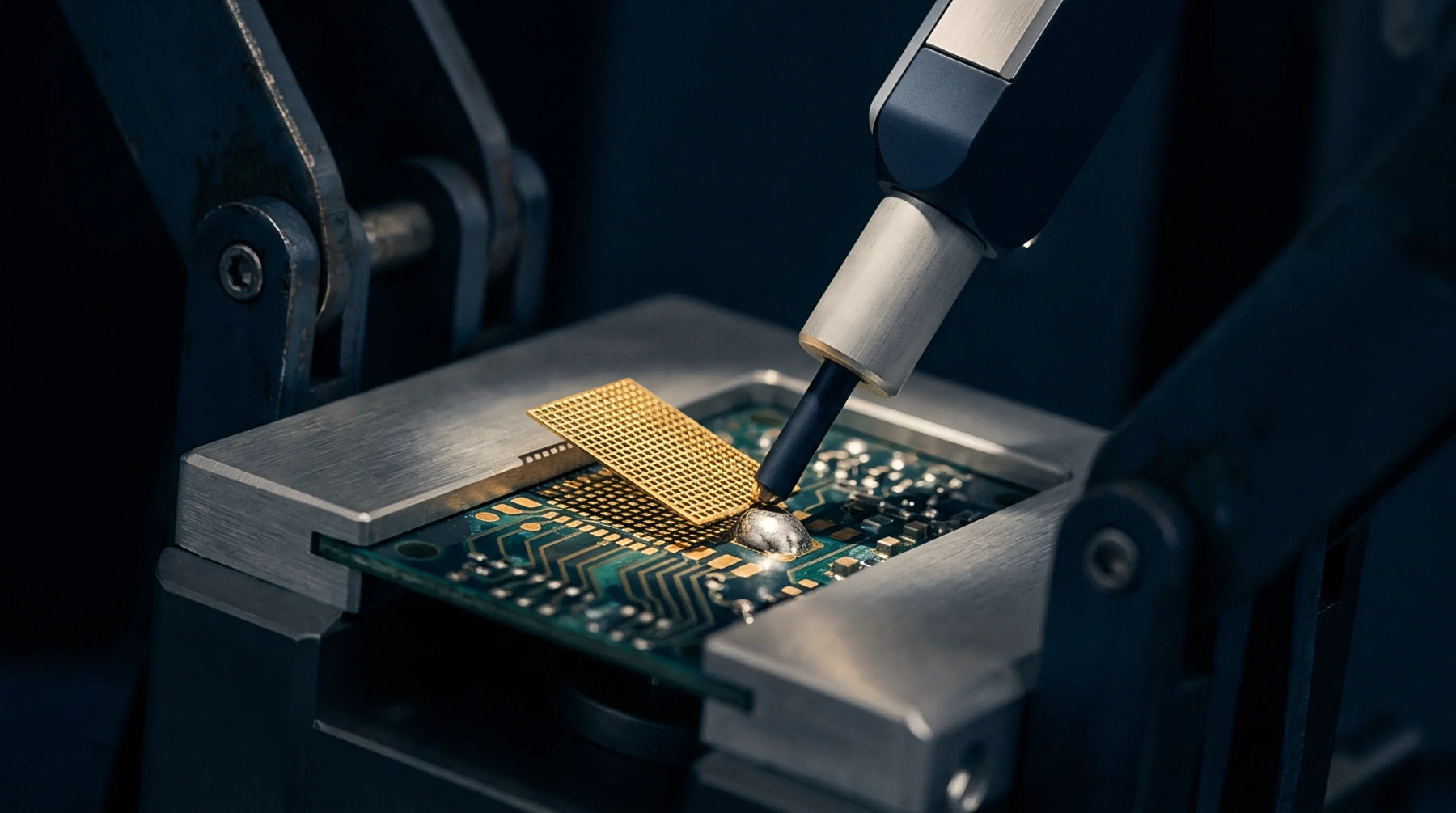
Multi-layer circuit board fabrication requires precise management of heat and pressure gradients during the curing cycle of prepreg materials. This non-isothermal lamination technique allows the core and outer layers to reach their chemical transition points at different rates to minimize residual stress. The process governs the bond strength between dielectric surfaces and copper foils by controlling the rate of resin flow before full cross-linking occurs.
It applies specifically to high-layer-count boards where thermal expansion mismatches between dissimilar materials lead to registration failure or internal voids.
Heat Transfer
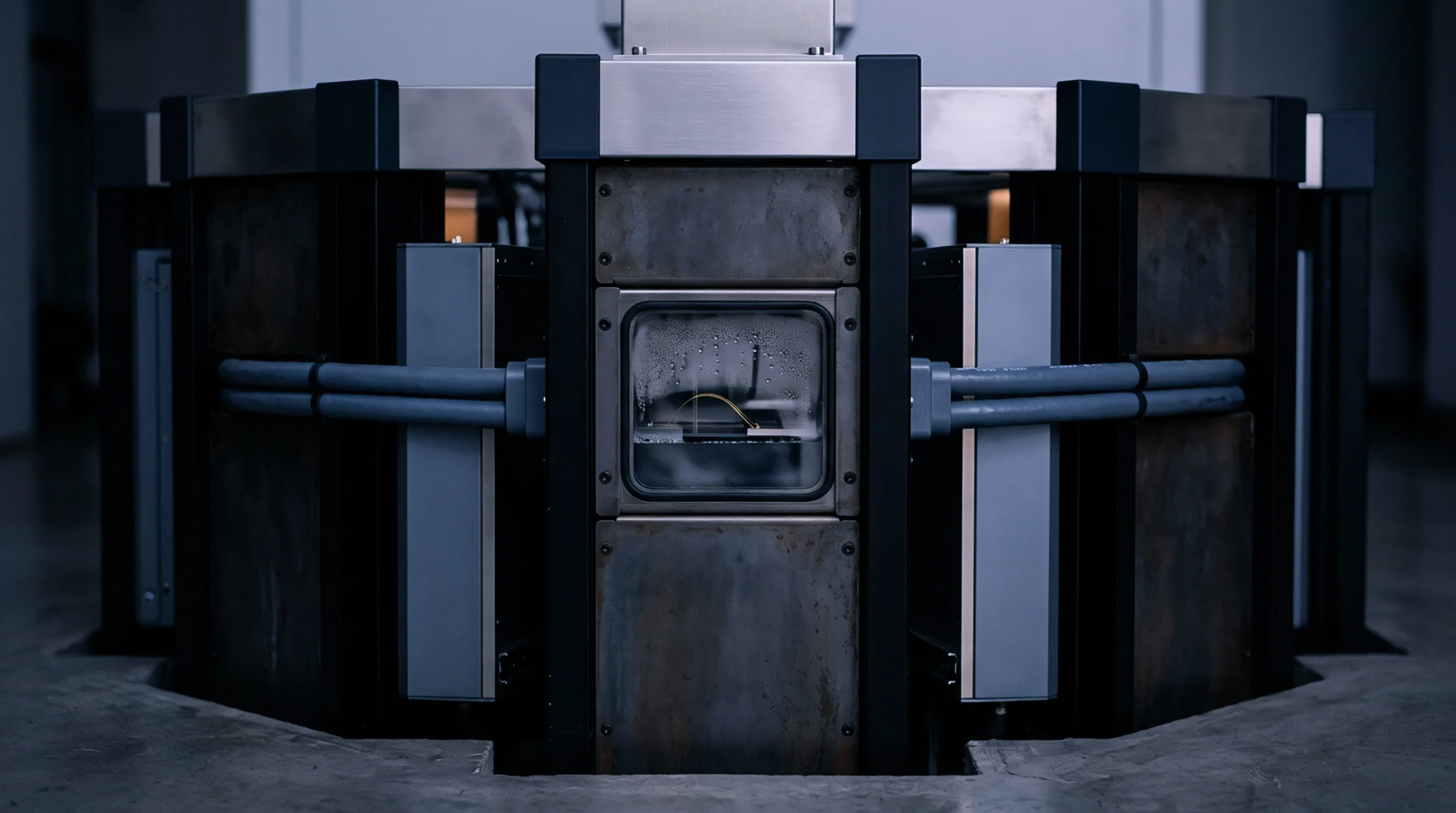
Pressure platens undergo controlled temperature cycles that induce a thermal lag between the stack center and the outer edges. Operators monitor this delta to ensure the resin viscosity remains low enough for consistent wetting while avoiding premature gelation in the thinner sections of the board. The mechanical pressure keeps the structure rigid until the chemical reaction stabilizes the dimensions of the internal features.
Cooling rates also require regulation to prevent rapid contraction that warps the final panel and affects the alignment of vias between layers.
Material Geometry
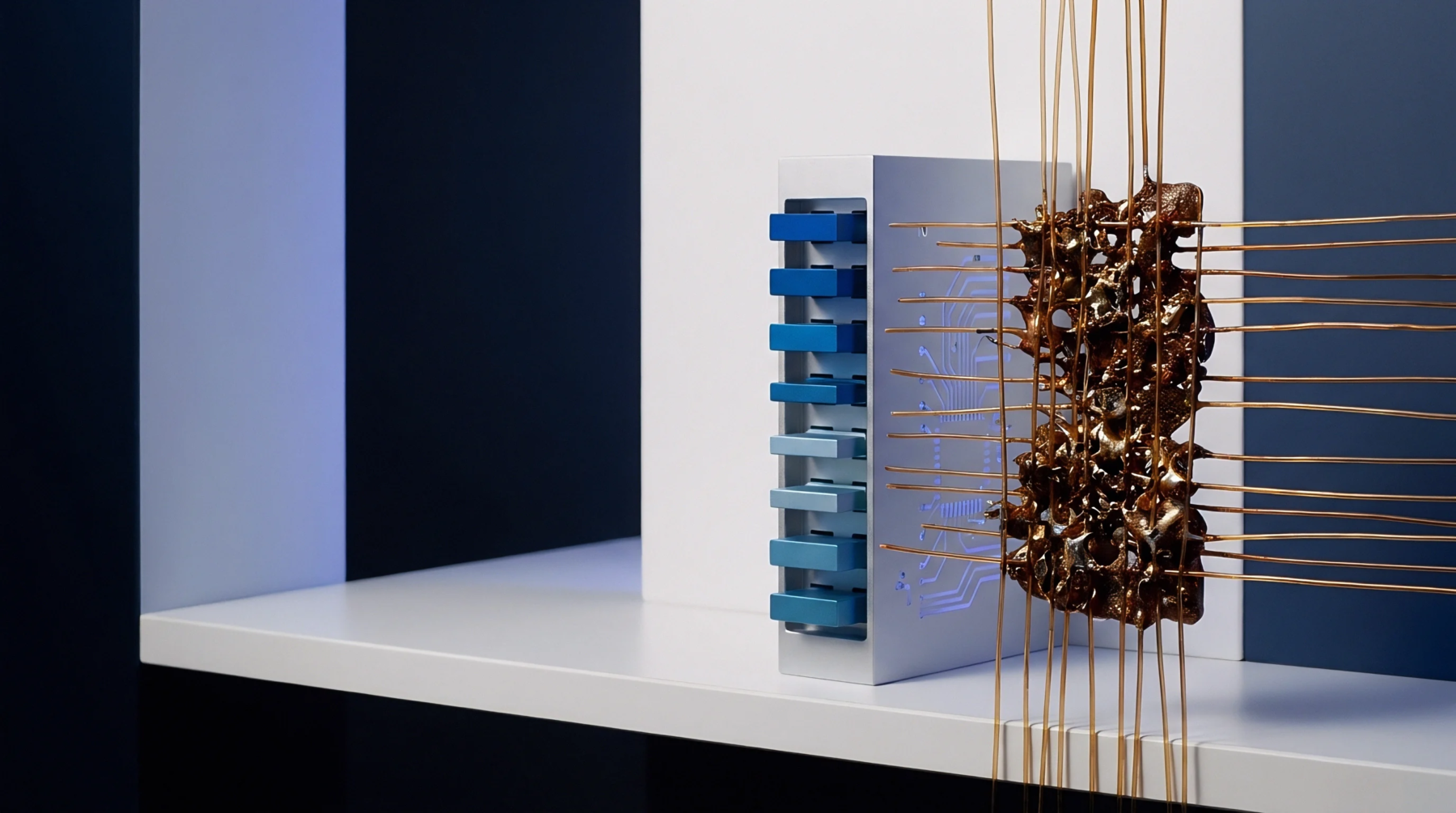
Differential heating strategies accommodate panels with varying copper densities where metallic zones absorb and distribute energy faster than the insulating substrate. Thick heavy-copper inner layers act as thermal sinks that pull energy away from the prepreg and alter the local cure speed compared to lighter signal layers. Engineers calibrate the press program to compensate for these mass variations by extending the dwell time at the peak temperature phase.
Balanced thermal profiles across the entire panel area guarantee that the mechanical properties of the finished laminate meet IPC class requirements for board reliability.