Upfront Expenditure
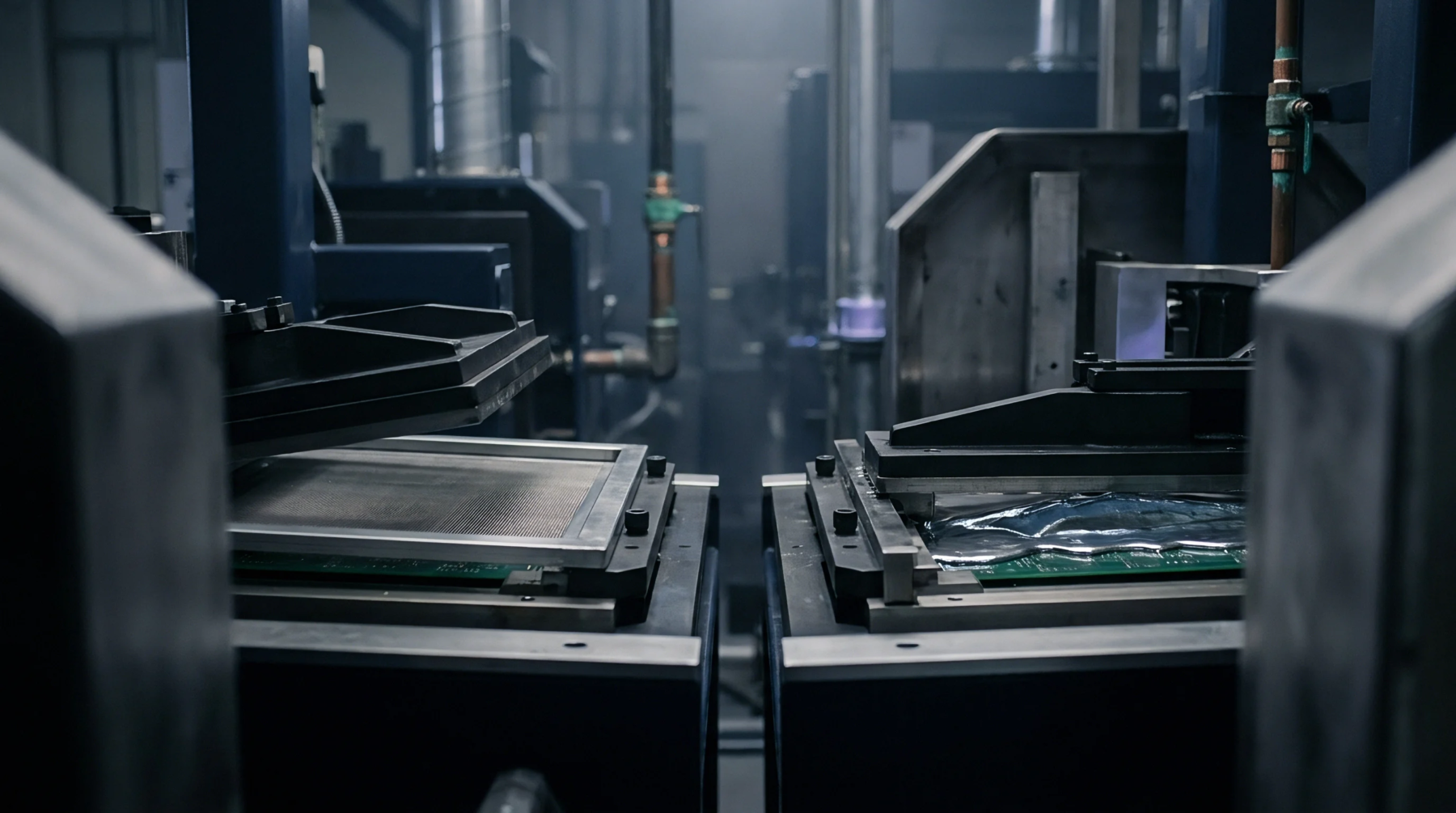
Initial manufacturing investment covers the physical preparation required before a printed circuit board assembly line starts volume production. Equipment vendors charge non-recurring engineering tooling cost to amortize the design of specialized stencils, automated optical inspection routines, and dedicated test fixtures tailored to a specific board geometry. These preparatory outlays fund the CAM programming that translates Gerber files into machine instructions for surface mount placement equipment.
Assembly houses separate these one-time expenses from per-unit manufacturing fees because the preparation effort remains identical whether a client orders ten units or ten thousand. Production lines sit idle while operators load these custom programs and mount specific feeder cartridges into pick and place machinery.
Amortization Schedule
Financial planning for these technical preparations requires calculating how spread charges affect unit economics across projected production volumes. Purchasing agents divide the initial engineering outlay by the total quantity of assembled circuit boards scheduled for delivery over a contracted product life cycle. High volume runs dilute the impact of setup outlays on the final price of each shipped assembly.
Low volume orders concentrate the full burden of preparation expenses onto a smaller batch of hardware, which increases the baseline unit cost significantly. Procurement teams negotiate these financial partitions during the initial contract review before any physical material moves toward the production floor.
Fixture Validation
Technical verification ensures that custom manufacturing aids operate correctly before full-scale fabrication begins on the line. Quality engineers inspect physical stencils against original computer-aided design data to confirm aperture dimensions match paste deposition requirements for fine-pitch components. Automated test equipment programs undergo dry runs using known good boards to verify that fixture pins make proper contact with designated test points without causing mechanical damage.
Any dimensional discrepancy discovered during this verification phase forces a revision of the initial manufacturing assets before volume assembly proceeds.