Deviation Measurement
Lateral displacement across a circuit board array identifies the physical drift of features relative to the designated datum or the intended board edge. Panel runout measures the variance between the edge of a manufacturing panel and the grid of individual unit locations within that panel. This measurement ensures that automated assembly machines register components onto the correct coordinates across the entire carrier.
It accounts for thermal contraction during etching or registration shifts occurring during lamination cycles.
Alignment Boundary
Mechanical constraints define the tolerance limits for this shift based on the placement accuracy of pick and place equipment. Excessive runout forces the vision system of an assembly machine to compensate for positional error until the offset exceeds the capture range. Engineers calculate the acceptable buffer by subtracting the smallest pad feature size from the total allowable landing area on the solder mask.
High values indicate a loss of registration control in the printing or drilling stages. Failure to maintain these bounds leads to skewed solder deposits and bridge defects between fine pitch terminals.
Registration Control
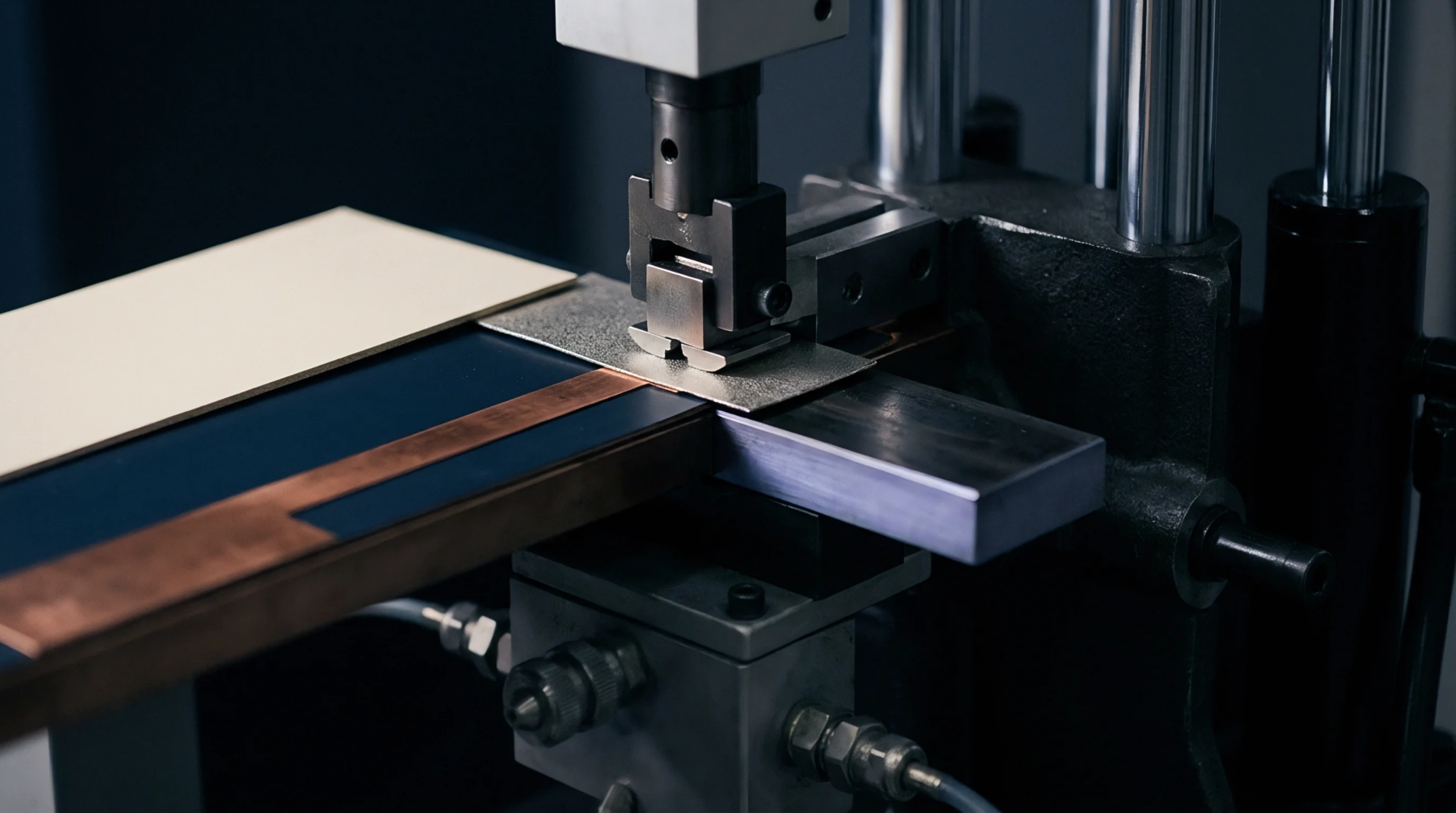
Tight control protocols manage the movement of copper patterns during the lamination phase of board fabrication to reduce final variance. Manufacturers deploy optical registration targets that lock layers into a fixed position before the heat cycle begins. Proper stacking prevents internal layers from creeping beyond the outer boundaries during high pressure bonding.
This process produces a stable substrate that maintains consistent registration from the first panel to the final production lot. Corrective actions during the stack up phase provide the necessary margin for downstream component placement success.