Dielectric Consistency
High-frequency transmission lines must maintain a constant electrical length to prevent signal skew in differential pairs. This characteristic, termed phase stability, describes the ability of a cable or board substrate to preserve its signal propagation delay across a range of operating conditions. Variances in dielectric constant or physical dimensions directly alter the velocity of the signal.
Keeping this velocity constant is essential for high-speed digital and radio-frequency applications.
Environmental Dependency
Temperature changes cause substrates to expand and alter their dielectric properties. In polytetrafluoroethylene materials, a molecular transition occurring near room temperature causes a non-linear shift in electrical length that threatens phase stability. Humidity absorption also changes the effective dielectric constant, causing further phase drift.
Selecting materials with stable thermal coefficients mitigates these environmental effects.
Performance Measurement
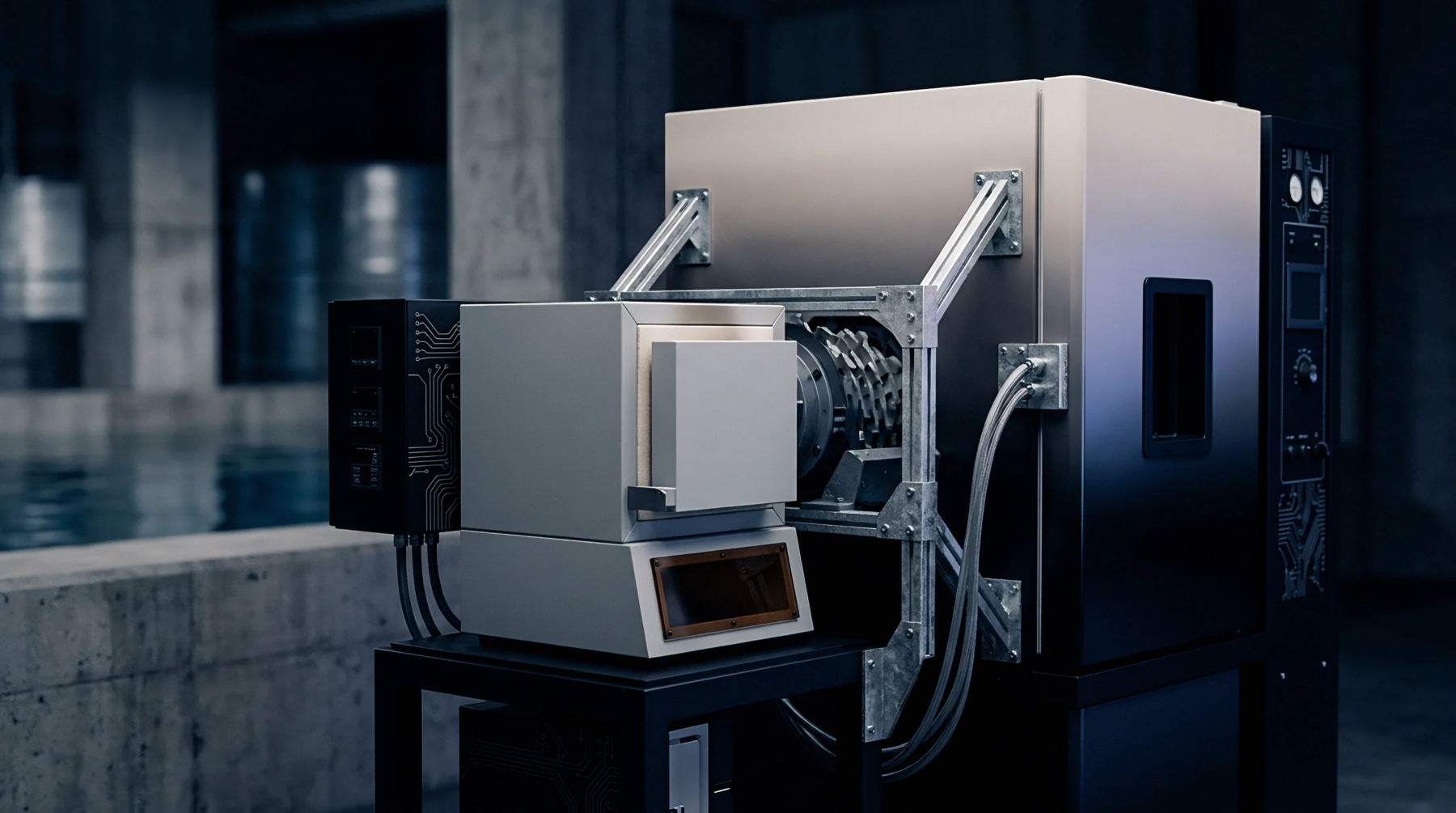
Vector network analyzers measure the phase angle of the transmitted signal as a function of temperature or mechanical stress. Testing requires placing the substrate in a controlled chamber and monitoring the phase shift over a complete thermal cycle. Dynamic testing also evaluates phase stability while the cables or boards are subjected to bending forces.
Recording these shifts ensures that the transmission lines conform to the strict phase matching requirements of phased-array antennas and high-speed backplanes. These evaluations allow system designers to calculate phase budgets and allocate tolerances to each component along the signal path.