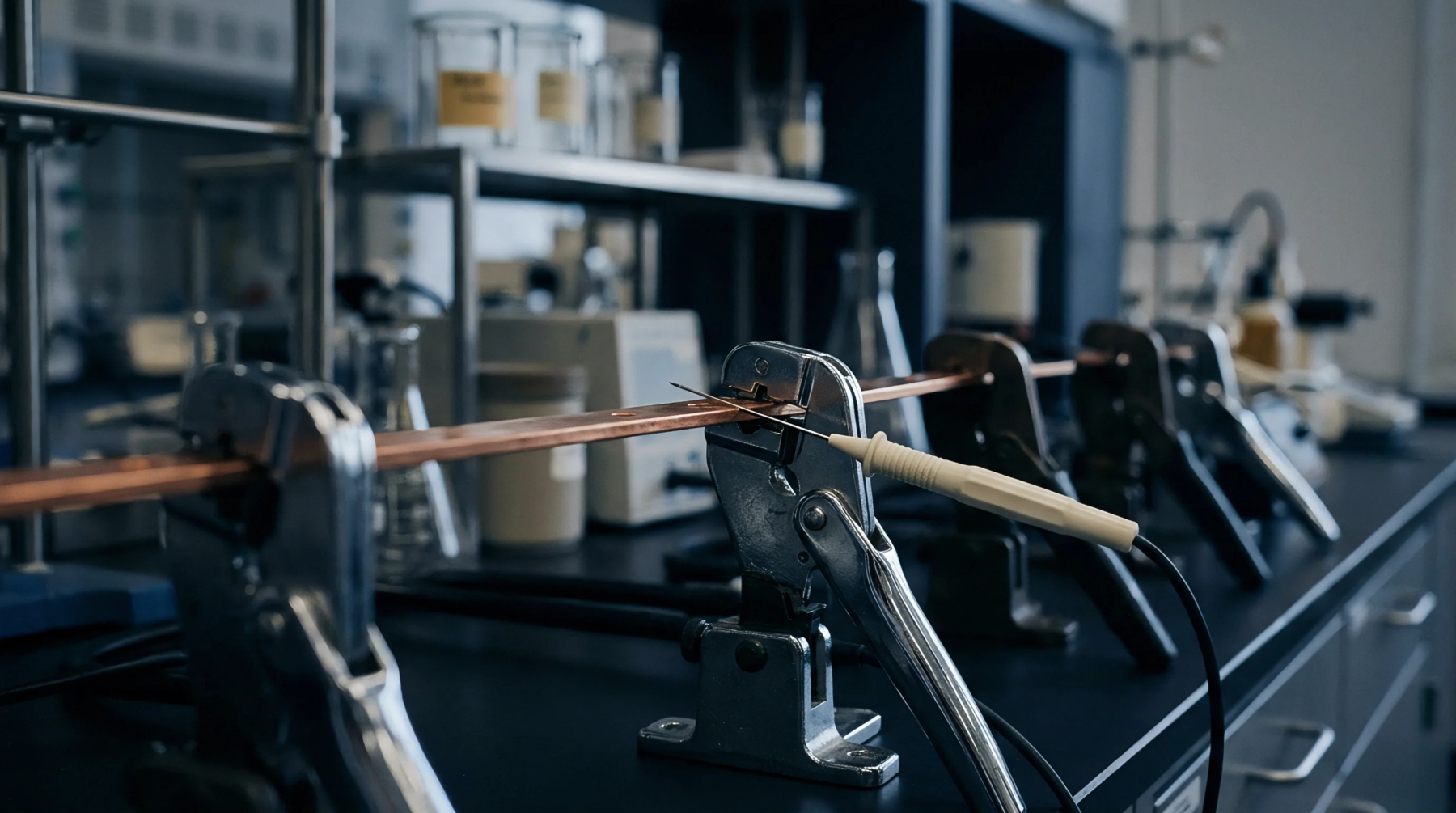
Vertical Clearance
Mechanical contact between a vacuum pick-up tool and a substrate defines placement nozzle height. Correct adjustment ensures that components sit flush against the solder paste deposit during surface mount assembly. If this position sits too high, the component drops through the air and misaligns on the pad.
Insufficient clearance exerts excessive force onto the pad, causing paste displacement or fragile component damage. Calibration of this parameter prevents open circuits or bridged connections during the reflow process.
Contact Pressure
Automated assembly machines utilize pressure sensors to verify that a pick-up tool reaches the calculated depth without crushing delicate parts. Force feedback loops adjust the travel limit to account for variations in board flatness or solder mask thickness. Excess downward force pushes paste outward beyond the land pattern, creating hidden shorts beneath low-profile chip packages.
Proper verification of this travel distance maintains the mechanical integrity of the solder joint. Consistent hardware settings across multiple lines prevent batch rejection due to uneven mounting.
Z-axis Stability
Programmable stops in the assembly software control the vertical limit of the head movement. Precise coordination between the board fiducial markers and the machine coordinate system enables micro-adjustments for board warpage. If a board bows under the weight of the head, the nozzle might impact the surface earlier than anticipated.
Dynamic monitoring of this vertical stop protects the equipment from collision damage. Accurate management of this dimension remains a primary factor in preventing placement defects on high density circuit boards.