Lamination Barrier
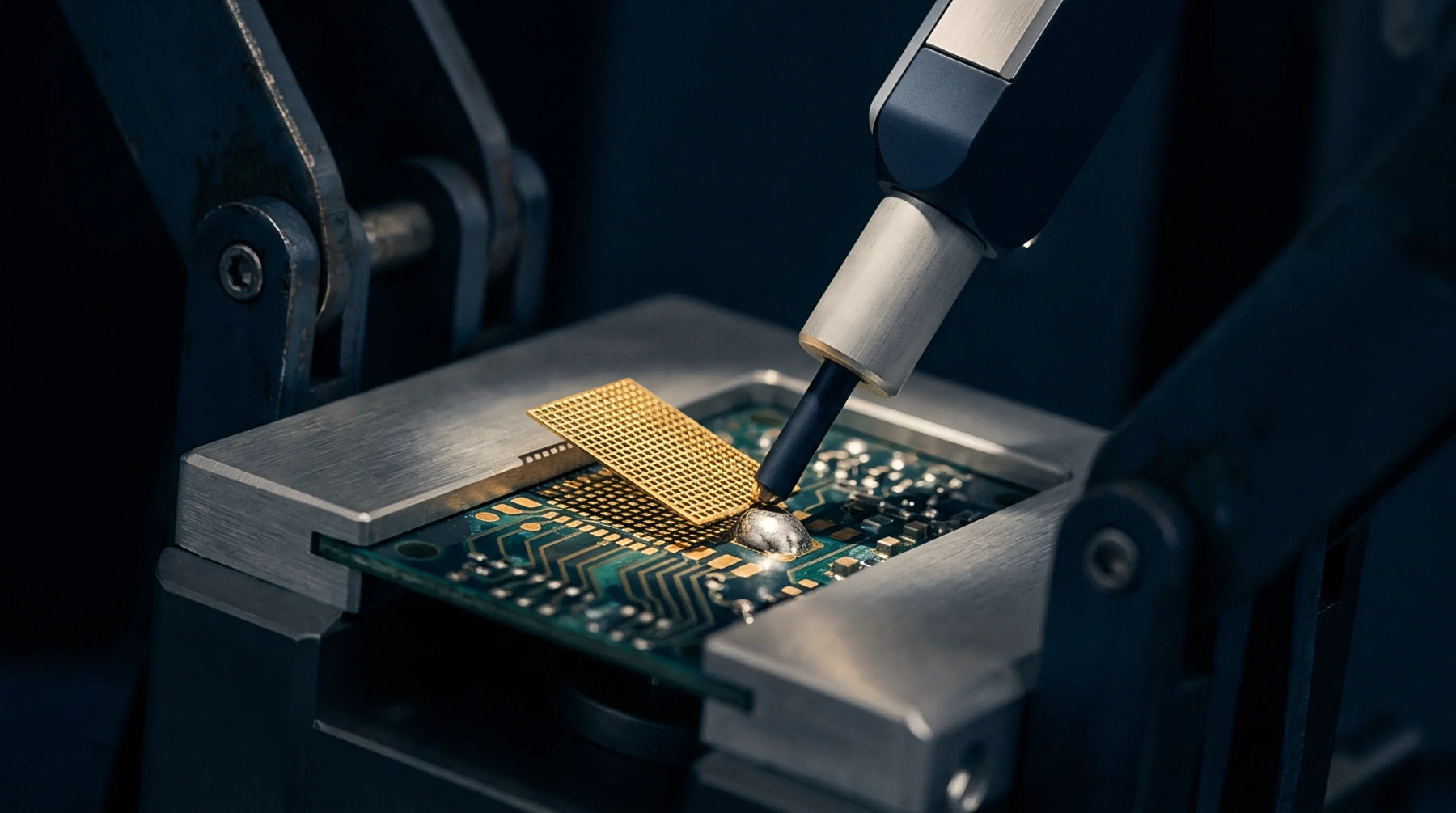
Composite fiberglass sheets impregnated with partially cured resin act as the adhesive and insulating layers in multi-layer printed circuit boards. Utilizing prepreg insulation ensures that copper foils remain separated and bonded during the high-temperature lamination process. This material flows under heat and pressure to fill the gaps around the etched copper tracks before curing into a solid mass.
Dielectric Separation
Epoxy resin behavior during the lamination cycle determines the final spacing and structural integrity of the circuit board. When the press applies heat, the resin transitions from a solid state into a low-viscosity liquid that coats the copper traces and displaces any trapped air. If the heating rate is too rapid, the resin may flow out of the board too quickly, resulting in dry spots and localized voids.
Selecting the correct prepreg insulation style involves balancing the resin content and the glass weave pattern to match the impedance and voltage isolation targets of the design.
Thickness Control
Accurate dielectric spacing controls the characteristic impedance of transmission lines and prevents voltage breakdown between internal layers. Inspection systems measure the cured dielectric thickness using cross-sectional microscopy to verify that the layer thickness lies within design tolerances. Maintaining these tight limits protects the board from electrical shorts and signal reflection.