Thermal Validation
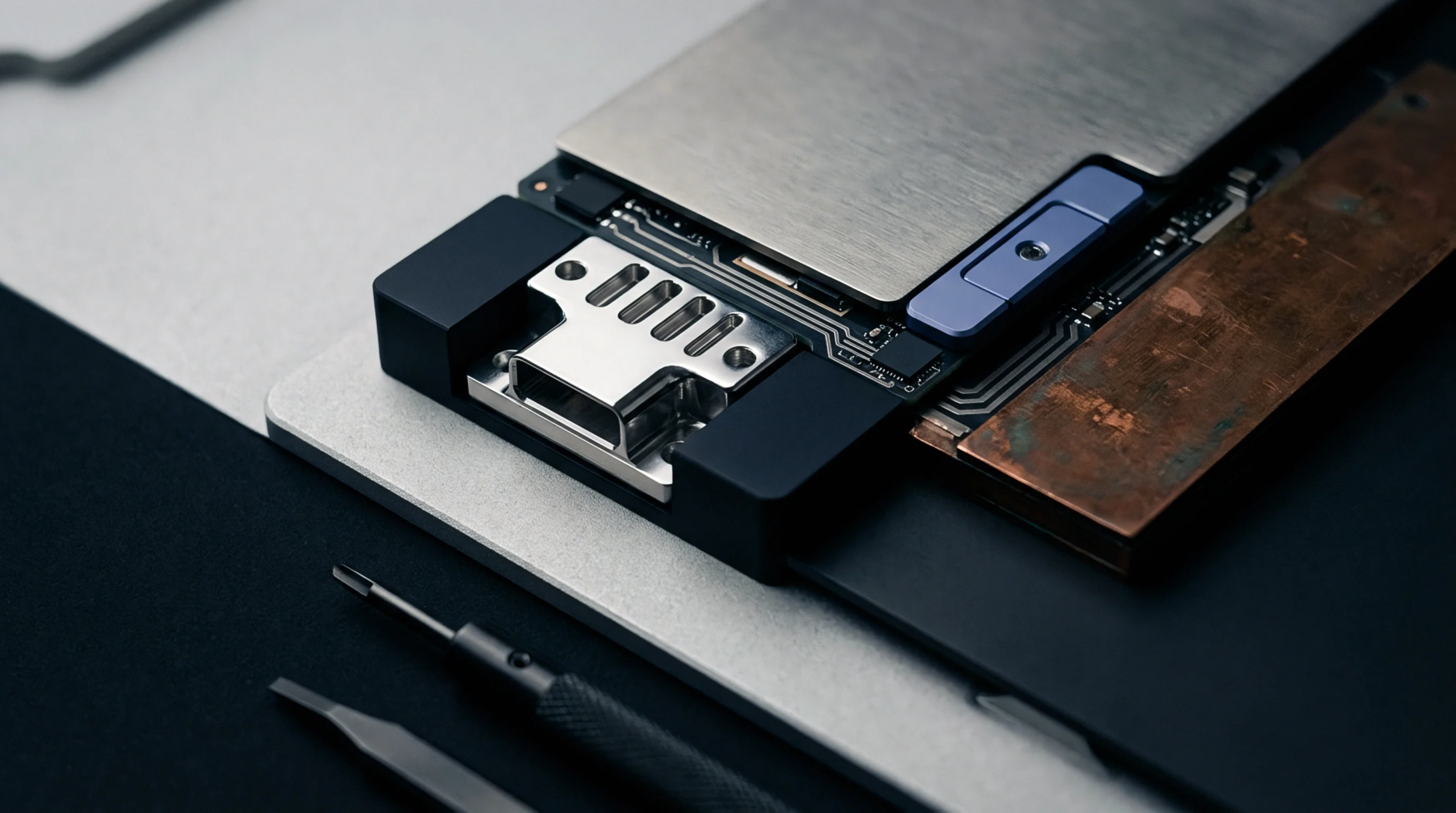
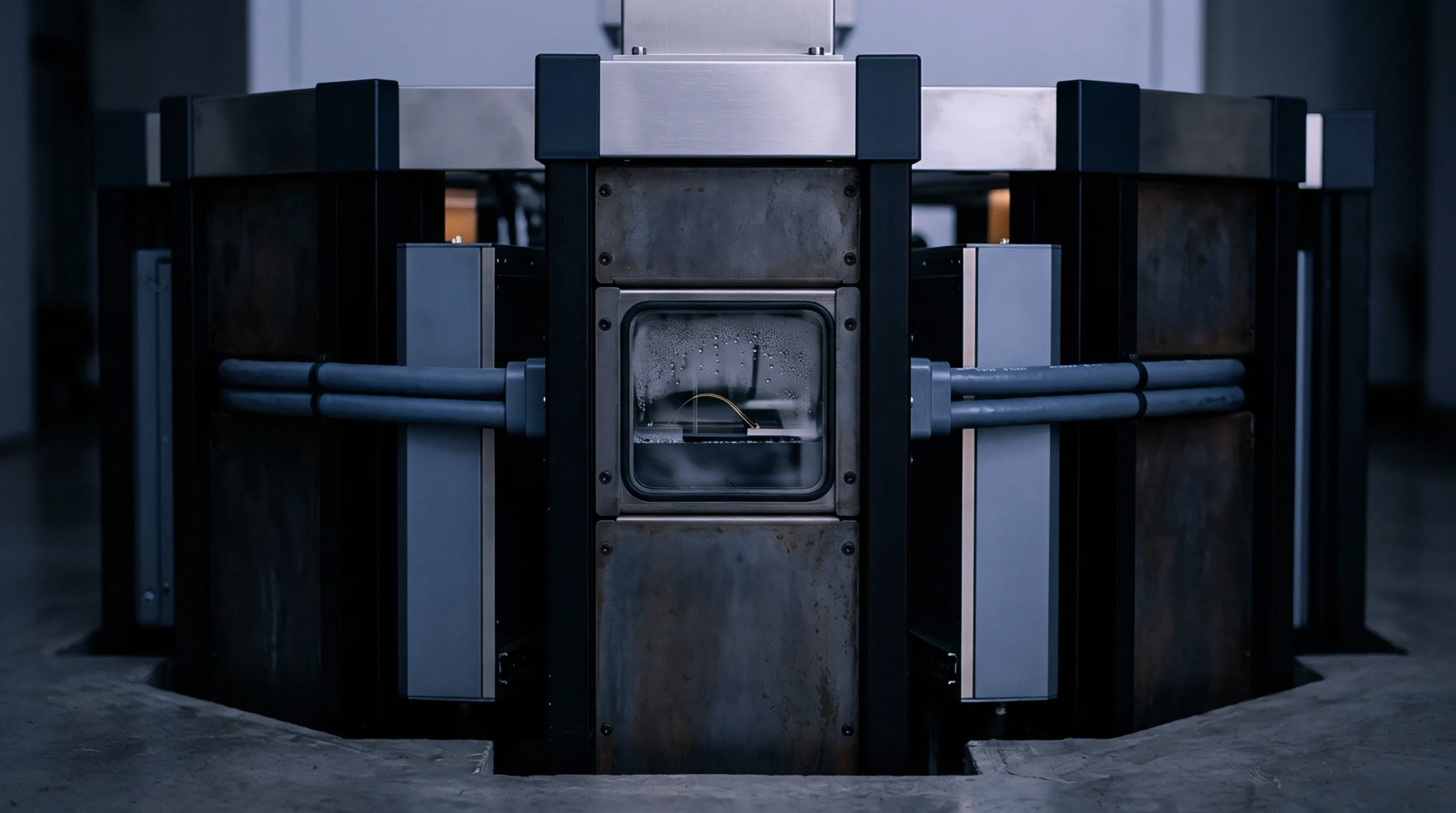
A laboratory process confirms that a reflow oven achieves the temperature distribution required to melt solder paste across every joint on a printed circuit board. Profile qualification verifies this performance by comparing the actual heat exposure of a populated assembly against the specific hardware requirements defined by the paste manufacturer. This procedure prevents components from experiencing thermal shock and ensures that flux residues fully activate during the soldering window.
Operational Verification
Technical personnel place thermocouples at critical points on the assembly to monitor peak temperature, soak duration, and heating rates during the transit through the oven zones. The resulting graph tracks these variables to show how the assembly responds to the machine settings while accounting for component mass and copper density. Consistent outcomes rely on the physical placement of probes on high thermal mass parts, which absorb more energy than lighter items.
Discrepancies between the programmed setpoints and the recorded data indicate that the oven must undergo recalibration or that the transport speed requires adjustment.
Acceptance Boundary
Success depends on the ability of the finished solder joints to meet IPC workmanship standards for wetting and fillet formation. Qualification failures occur when the heating cycle provides insufficient time for the intermetallic layer to form or when excessive heat degrades the chemical properties of the epoxy substrate. Boards passing this rigorous evaluation receive approval for production, establishing a stable baseline that maintains consistency until the assembly configuration changes or the heating elements require maintenance.