Composite Insulation
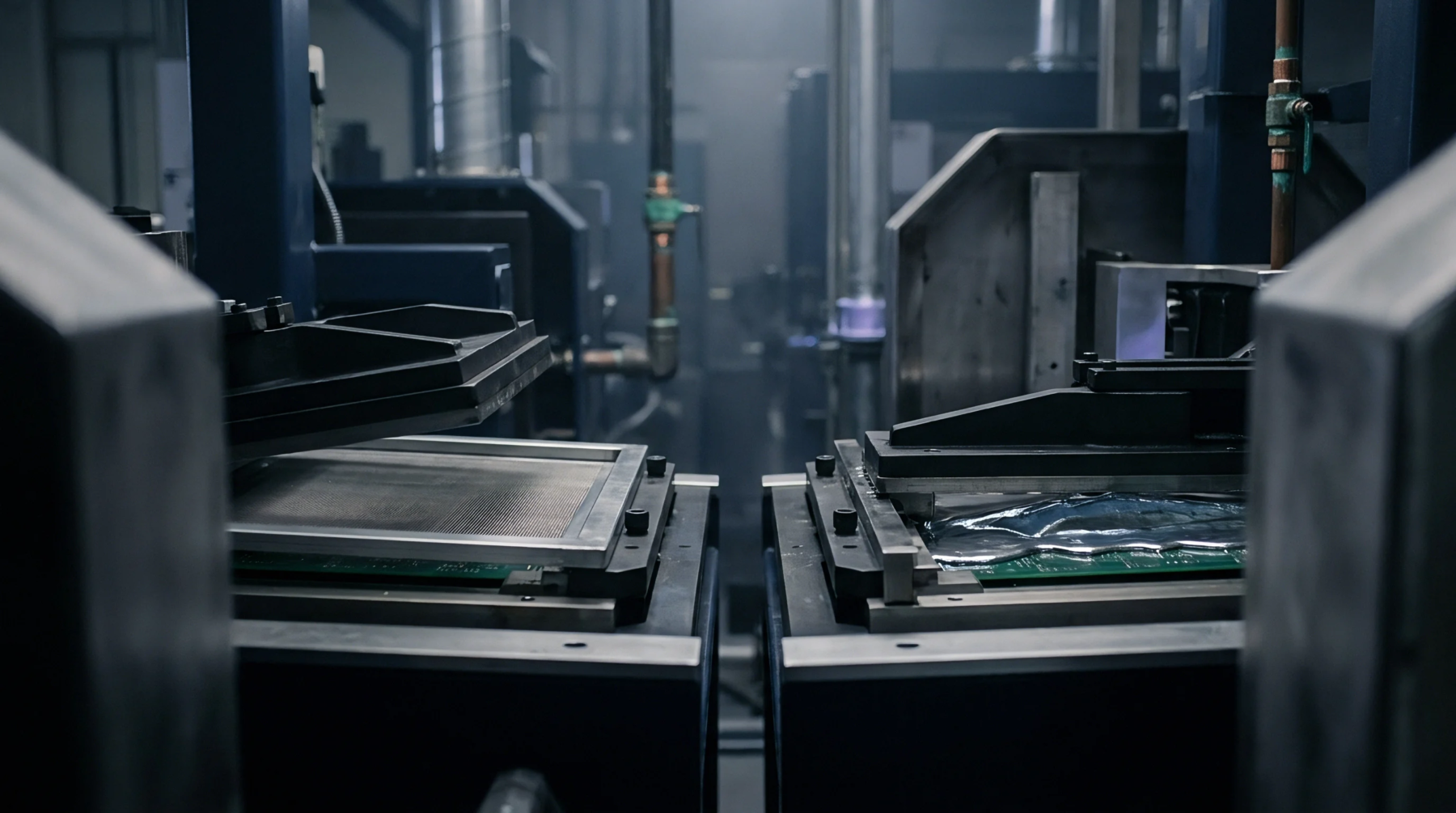
High-temperature epoxy glass fiber laminates provide mechanical support and heat masking for printed circuit assemblies during wave soldering processes. Substrate materials such as ricocel resist severe thermal degradation when subjected to continuous molten solder exposure and flux chemicals. Precision machining produces customized solder carrier pallets that shield surface-mount components while exposing selective through-hole leads to liquid solder waves.
Low thermal conductivity prevents excessive heat absorption from solder baths into delicate board components.
Thermal Stability
Composite structural integrity depends on resin chemistry and high-density glass fabric reinforcement constructed to endure repeated heating cycles. Machine shops mill custom pockets and clearance channels into flat sheets to match specific circuit board panel dimensions. The mechanical stability of ricocel minimizes pallet deformation or dimensional expansion under operating temperatures reaching three hundred degrees Celsius.
Chemical resistance protects carrier fixtures from degradation caused by aggressive water-soluble or rosin-based flux treatments. Controlled electrostatic dissipative properties prevent static charge accumulation, protecting sensitive semiconductors from electrostatic discharge damage during board insertion and removal.
Pallet Longevity
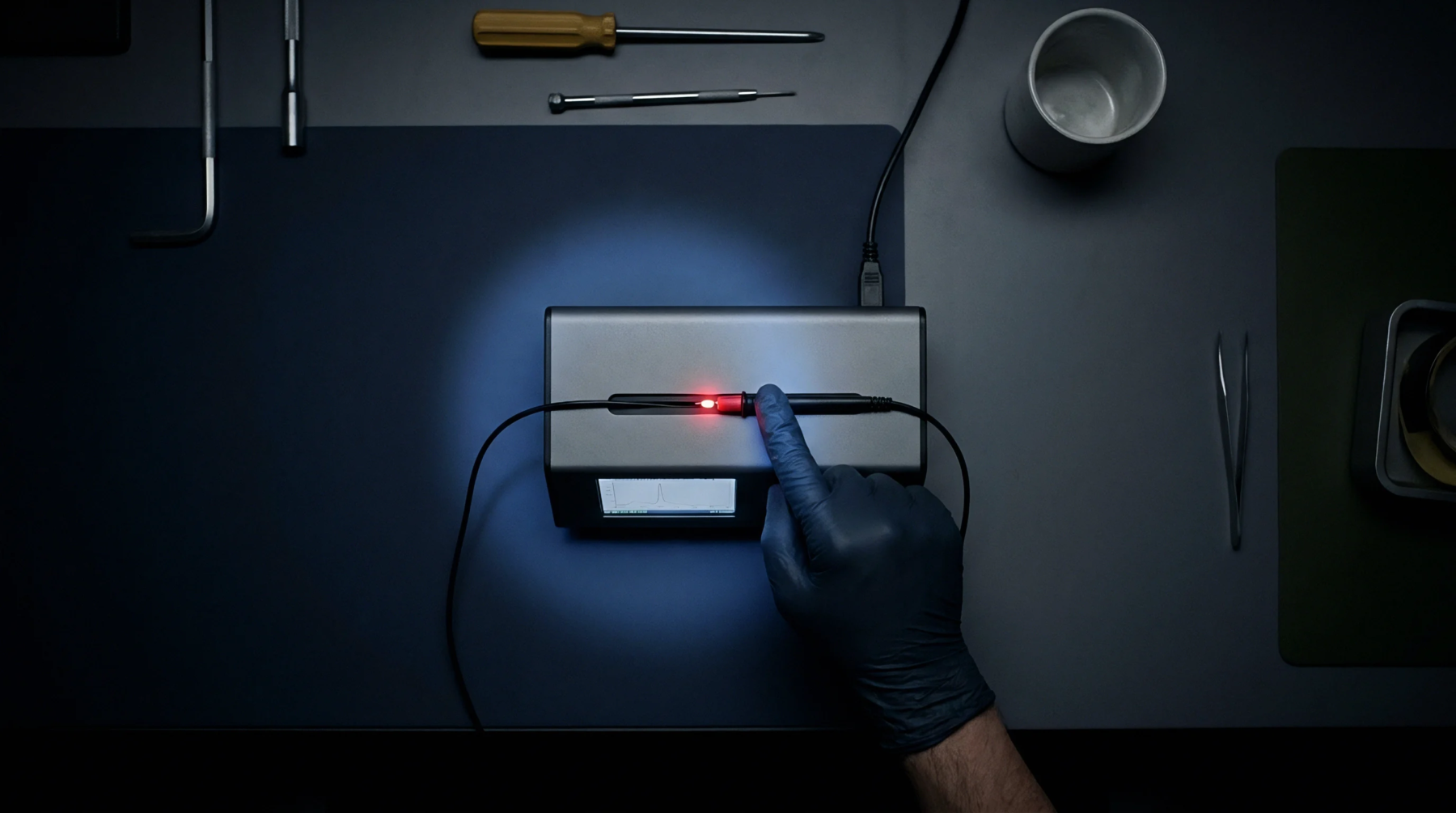
Visual inspection detects surface erosion or mechanical wear on solder carrier pockets after thousands of soldering cycles. Material breakdown leads to solder leakage onto masked board regions during wave soldering operations.