Angular Strain
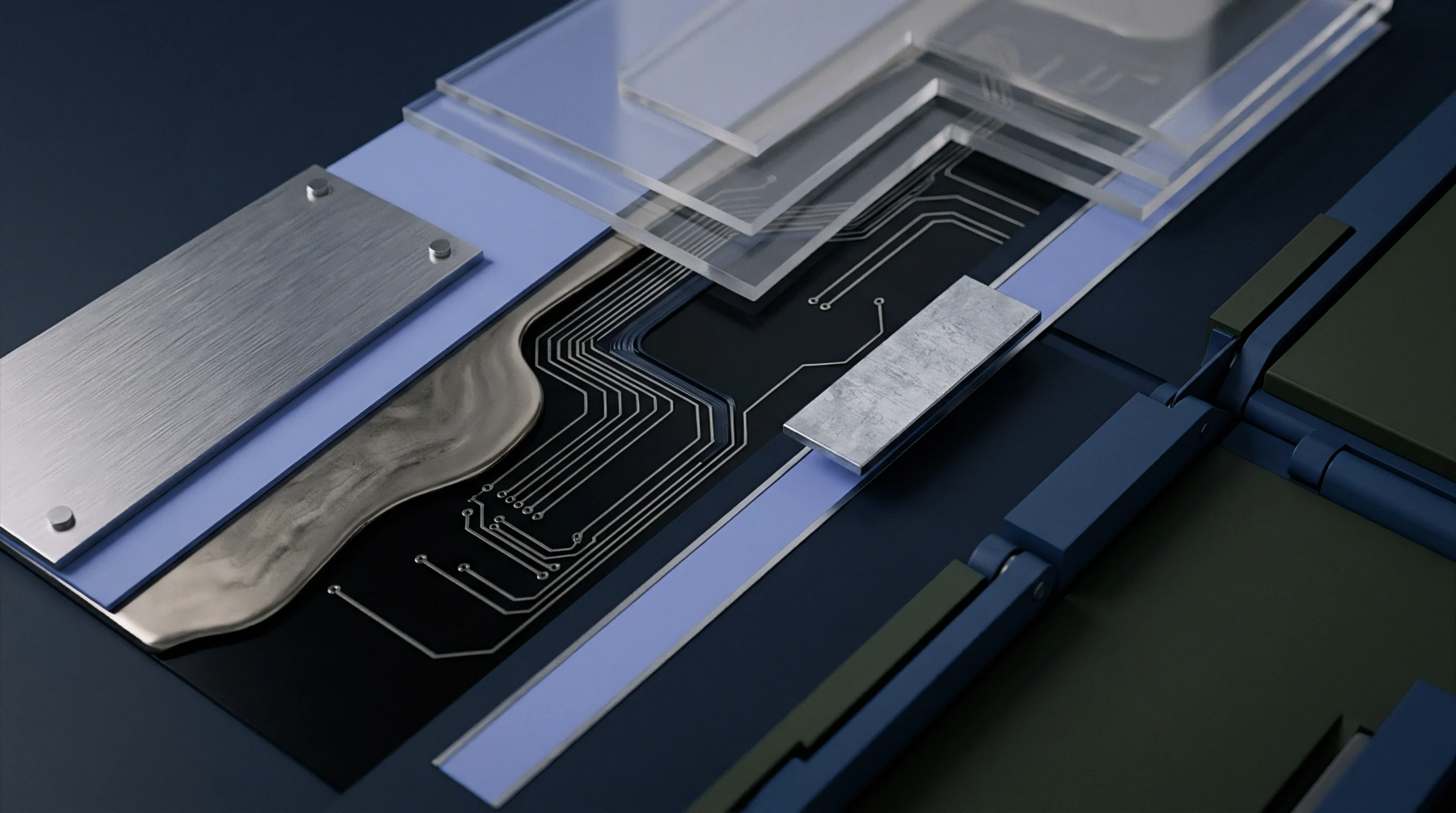
Lateral stress forces applied parallel to a material cross-section induce angular displacement and internal strain between adjacent atomic planes. In printed circuit board assemblies, differential thermal expansion between electronic components and the underlying substrate generates opposing lateral forces across solder joints. The resulting angular displacement across the solder connection represents shear deformation.
This mechanical strain mode dominates interconnect degradation in ball grid array packages, surface mount chips, and plated through-holes. The behavior ceases within purely elastic bounds and transitions into irreversible plastic deformation under sustained mechanical loading.
Creep Fatigue
Cyclic temperature excursions during circuit operation drive continuous shear strain reversals through solder interconnections. Silicon component bodies possess low thermal expansion coefficients around three parts per million per degree Celsius, whereas organic circuit laminates expand near fifteen parts per million. This thermal mismatch concentrates shear deformation within the outermost corner solder balls of area-array packages.
Under elevated operating temperatures, this strain activates creep mechanisms, causing grain boundary sliding and void formation within the bulk solder. Microstructural damage accumulates with every power cycle, driving fatigue cracks along the intermetallic compound boundary until the electrical connection fractures completely.
Joint Displacement
Finite element analysis models predict shear strain distribution across solder joints to estimate operational thermal cycle lifetimes. Accelerated thermal cycling chambers subject assembled circuit boards to temperature extremes while event detectors monitor electrical continuity. Microsections cut through fatigued solder balls reveal crack propagation paths along the package interface.
Incorporating underfill adhesives redistributes these shear forces away from individual solder joints across the entire package footprint.