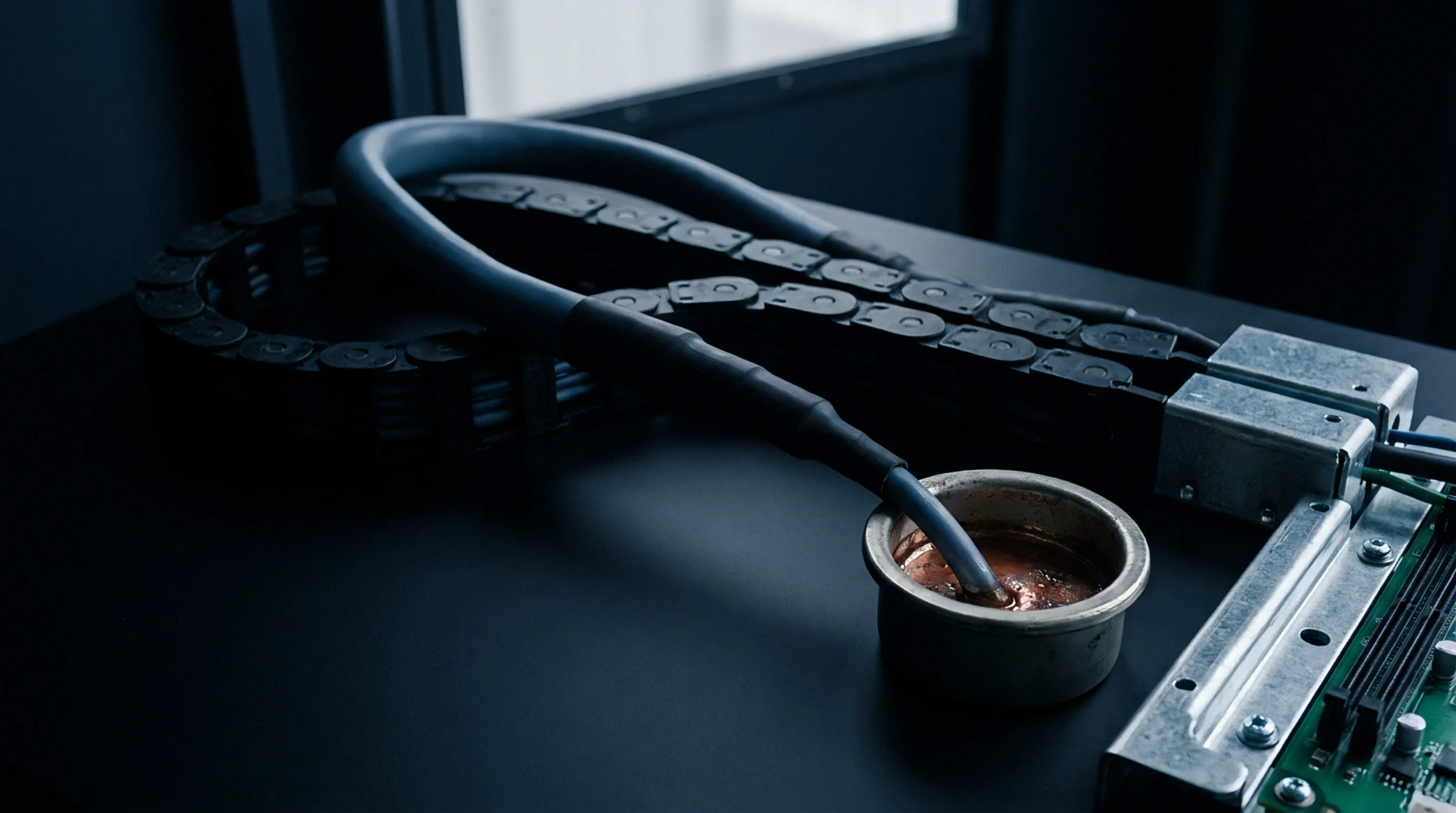
Force Transmission
Process of moving internal lateral forces across the boundary between two joined materials ensures the structural continuity of a composite assembly. In printed circuit boards, shear transfer occurs primarily through the adhesive or resin layer that bonds the copper foil to the dielectric substrate. The efficiency of this mechanism determines how well the assembly resists delamination during thermal cycling.
Interface Bond
Molecular entanglement at the interface and mechanical interlocking from surface roughness facilitate the movement of loads. When a board undergoes rapid heating, the differing expansion rates of the metal and polymer create a sliding force that the bond must absorb. Effective shear transfer prevents the concentration of stress that leads to the initiation of cracks at the corners of pads or vias.
The presence of a strong polar bond at the interface further enhances the ability of the material to resist these lateral pressures.
Failure Mechanism
Testing the strength of this connection involves pull or lap-shear experiments to measure the force required to break the bond. Chemical treatments like black oxide or alternative brown oxides enhance the surface area available for shear transfer on inner layer copper. Environmental exposure to moisture can degrade the interface, which reduces the ability of the material to transmit forces without yielding.