Timing Displacement
Propagation time variation describes the progressive alteration in signal arrival times between complementary signal paths across high-speed differential pairs or parallel bus lanes. Signal paths experiencing skew drift develop timing misalignments as operating temperatures fluctuate, dielectric materials age and operating frequencies increase. The phenomenon alters the nominal phase relationship established in initial printed board layout rules, narrowing the temporal data eye in digital receivers.
Design specifications control this drift across critical clock trees, high-speed memory interfaces and multi-gigabit differential links.
Dielectric Variance
Thermal fluctuations modify the dielectric constant of printed circuit board base laminates, causing phase velocity shifts between adjacent copper conductors. Because glass cloth weaves present alternating regions of pure resin and dense glass bundles, differential conductors routed over uneven weave structures experience asymmetric dielectric constants as board temperatures climb. Asymmetric thermal dissipation from nearby power converters or processor packages creates localized heat gradients, speeding signal propagation along one trace while slowing the adjacent match.
Moisture absorption through the protective solder mask also changes the effective dielectric constant over operational service life, exacerbating phase differences across long physical routes. Etch geometry variations along trace sidewalls induce small impedance discontinuities, causing uneven signal attenuation and progressive rise-time degradation. These mechanical and environmental factors aggregate into cumulative phase shifts that degrade high-frequency jitter margins.
Verification Boundary
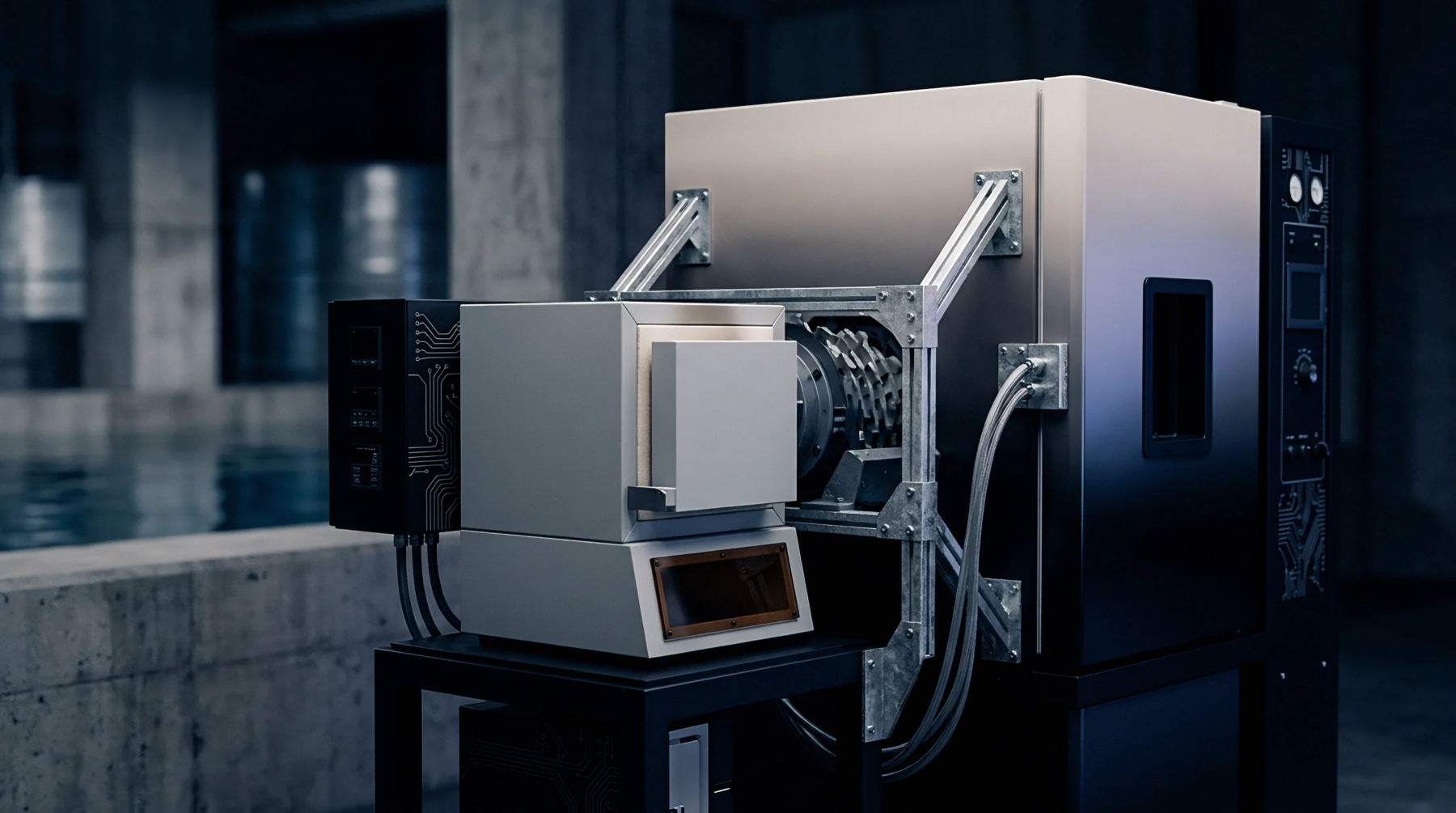
High-frequency oscilloscopes and time-domain reflectometers evaluate timing alignment across temperature extremes inside climatic test chambers. Signal integrity compliance mandates that skew limits remain within strict picosecond tolerances across the entire operating thermal band. When differential phase deviation exceeds receiver jitter budgets, bit error rates spike and signal integrity validation fails completely.
Layout techniques such as zig-zag routing, spread-glass fabrics and matched thermal environments restrain drift across production lots.