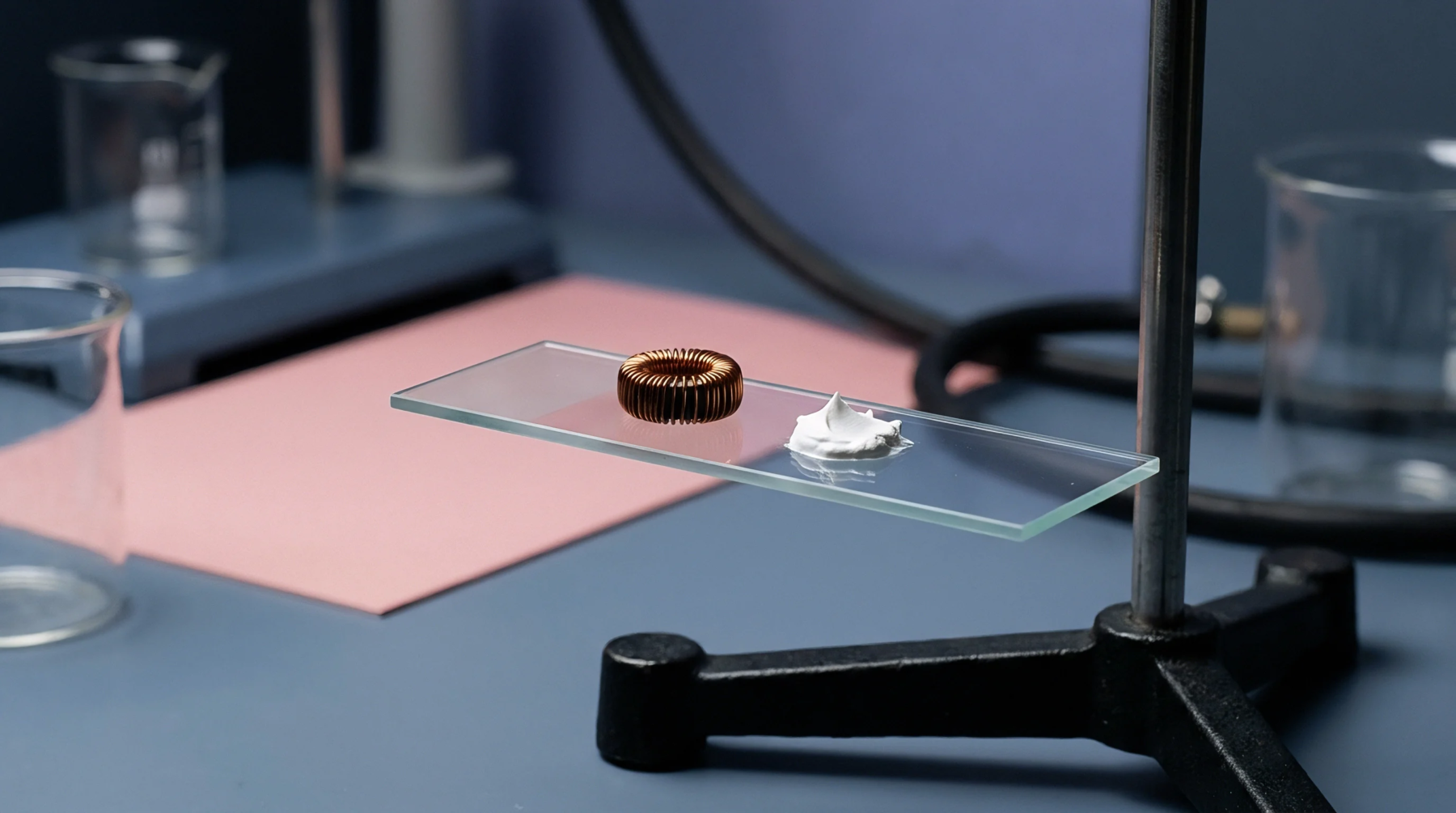
Phase Transition
Thermal energy drives the conversion of flux solvents and binders within a solder paste formulation from a liquid state into a gaseous phase. Solder paste volatilization occurs during the preheating and soaking zones of the reflow process as the temperature rises toward the melting point of the alloy. Effective management of this gas evolution prevents the formation of voids within the finalized solder joint.
These gaseous escape paths must clear before the alloy achieves a liquidus state to avoid trapping bubbles inside the hardened connection.
Venting Requirement
Vacuum reflow ovens regulate the atmospheric pressure to draw out released vapors from the molten solder pool. Reduced pressure environments lower the boiling point of the volatile components and force them to migrate out of the interface before the solder solidifies. High concentrations of trapped gas lead to increased porosity and mechanical weakness under thermal cycling.
Thermal profiling of the heating elements ensures that the ramp rate provides sufficient time for the transition of these binders into a vapor state without causing premature spattering or solder balling.
Joint Integrity
Porosity levels directly correlate to the structural reliability of electronic interconnections under stress. Excessive outgassing events leave behind cavities that reduce the total cross-sectional area of the joint and concentrate stress at the edges of the voids. Consistent control of the heating rate minimizes the internal pressure gradients during the rapid transition of the chemical vehicle.
Low-voiding requirements dictate the specific design of the thermal cycle to ensure that the material fully discharges its gaseous components prior to the formation of the metallic bond.