Metallic Impurity
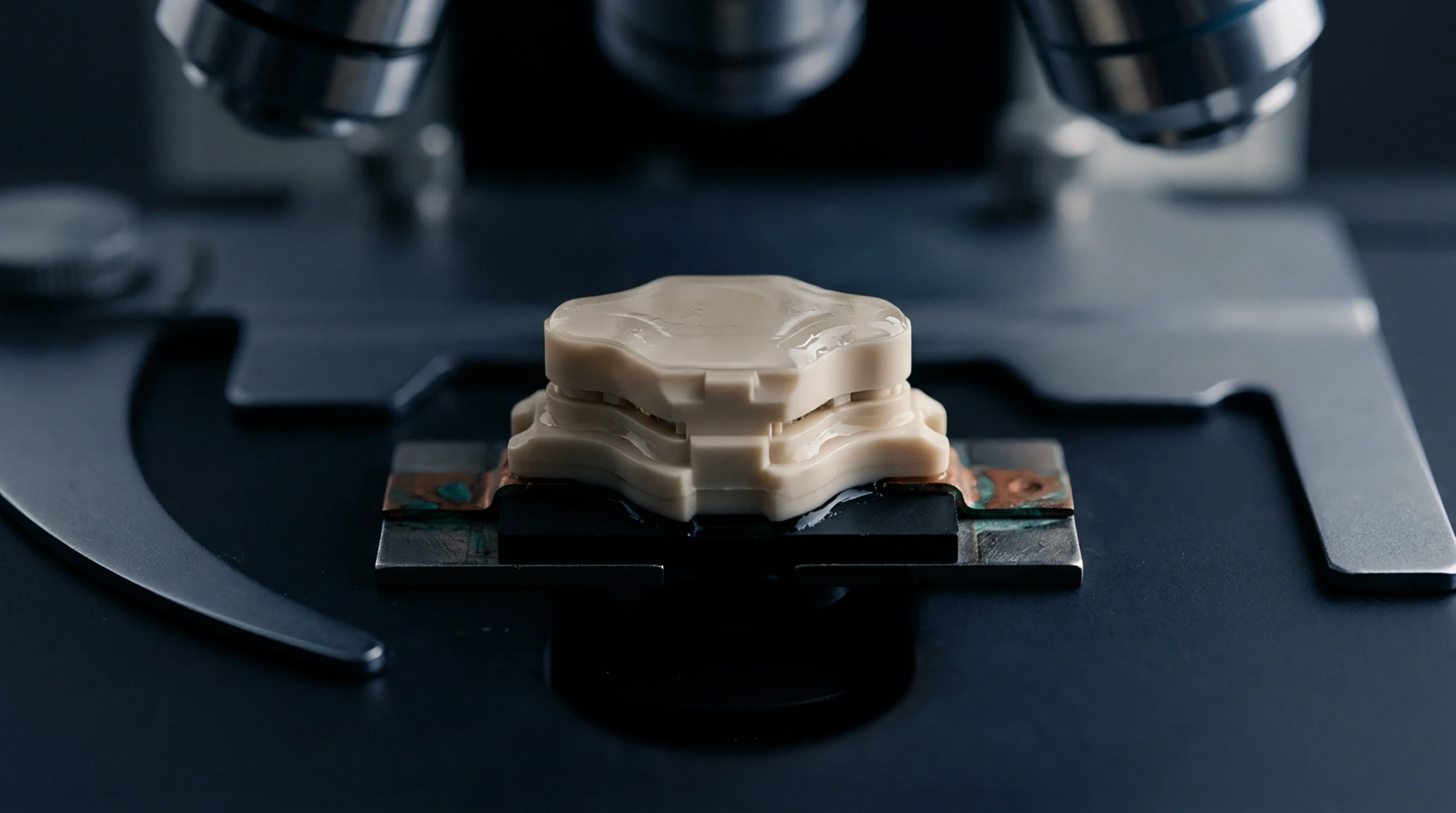
Bath degradation in wave and selective soldering machines occurs when dissolved metals alter liquidus temperature and wetting kinetics. Operating personnel monitor solder pot contamination to prevent excessive buildup of dissolved copper, iron, gold, or zinc within molten lead-free alloy reservoirs. Dissolved elements alter alloy melting points, increase dross generation, and cause sluggish joint formation during soldering operations.
The limits of this chemical bath monitoring apply to wave soldering pots and selective solder modules, ending where pure ingot replenishments restore chemical purity.
Dross Formation
Copper leaching from circuit boards and component leads represents the primary source of metallic contamination in lead-free soldering systems. As copper concentrations exceed IPC-J-STD-001 limits, intermetallic crystal needles precipitate inside the liquid solder bath, raising the liquidus temperature and creating gritty solder joints. High iron content from pump impellers or pot walls similarly degrades alloy fluidity while accelerating surface oxidation.
Operating units affected by solder pot contamination produce bridging defects, solder icicles, web voids, and incomplete hole fill on through-hole connections. Maintenance protocols require periodic chemical assay sampling via atomic absorption spectroscopy or spark optical emission spectrometry to quantify contaminant levels. When impurity limits exceed published assembly standards, operators must perform partial bath dumps or replace the entire charge with fresh alloy.
Nitrogen blanket shrouds help slow dross creation but cannot stop metallic leaching from submerged copper tracks.
Alloy Maintenance
Scheduled virgin alloy additions dilute accumulated impurities and maintain acceptable fluid dynamics during continuous wave soldering runs. Dilution management extends solder pot operational life while keeping joint defect rates within quality targets.