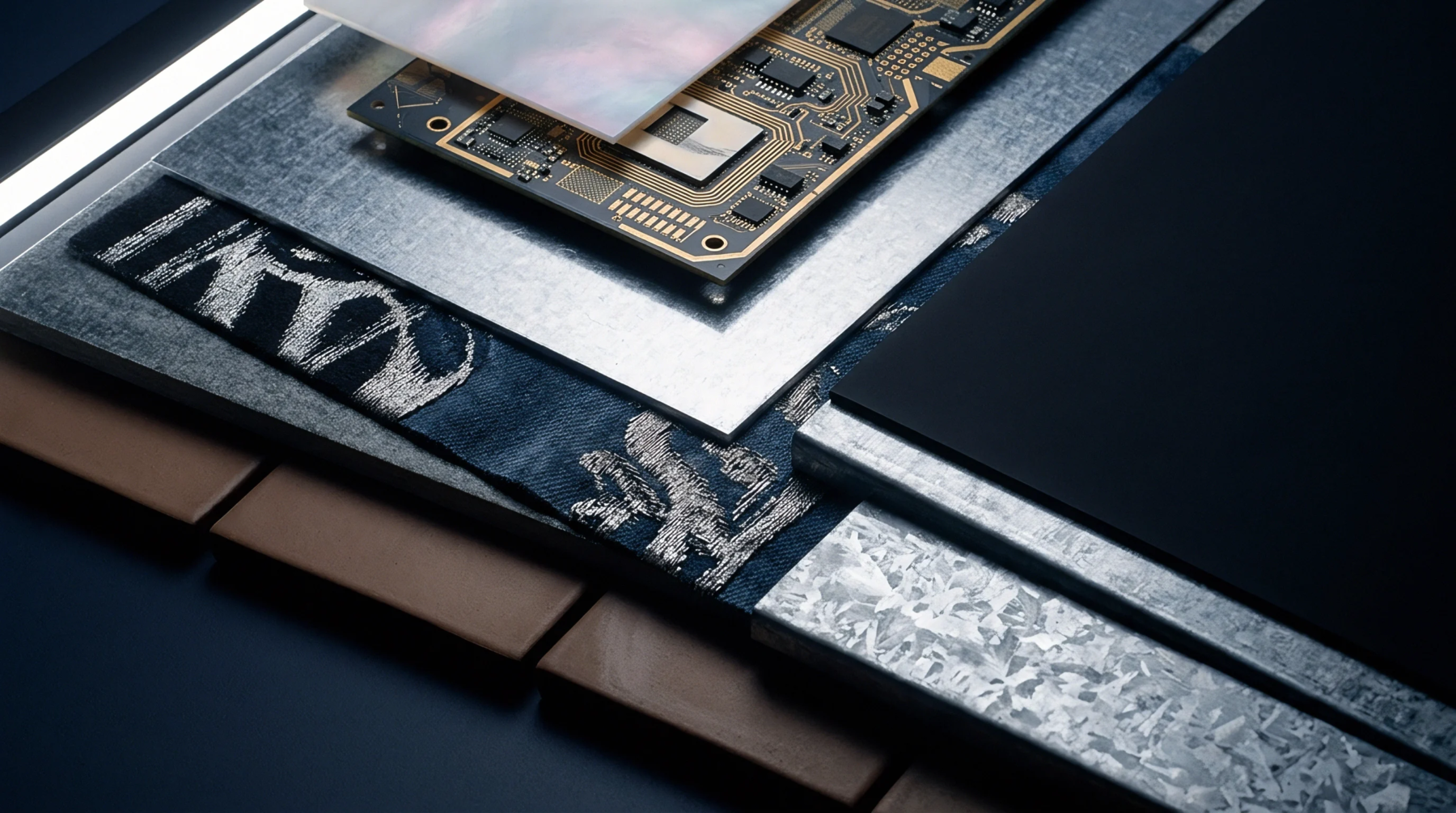
Accelerated Degradation
Exposure to elevated temperature and high humidity simulates the effects of long-term storage in a fraction of the time. This steam aging preconditioning accelerates the oxidation of surface finishes on printed boards and electronic component leads. The treatment helps engineers predict how well a component will perform during assembly after being stored in a warehouse for a year.
Test Protocol
Specialized laboratory chambers expose test specimens to saturated steam generated from deionized water. During steam aging preconditioning, components are suspended above the boiling water for a period ranging from eight to twenty-four hours depending on the chosen test standard. This environment is maintained at a temperature of ninety-three degrees Celsius to ensure consistent moisture exposure.
After the exposure cycle completes, the components are dried thoroughly before undergoing solderability testing. This drying step must occur immediately to prevent any residual water droplets from creating localized corrosion spots that would invalidate the test results.
Inspection Standard
Final evaluations check the treated leads or pads for their ability to accept solder. Failure after steam aging preconditioning indicates that the surface finish is too thin or porous to protect the underlying metal during long storage. This quality check prevents assembly lines from receiving parts that would fail during actual production.