Dielectric Drift
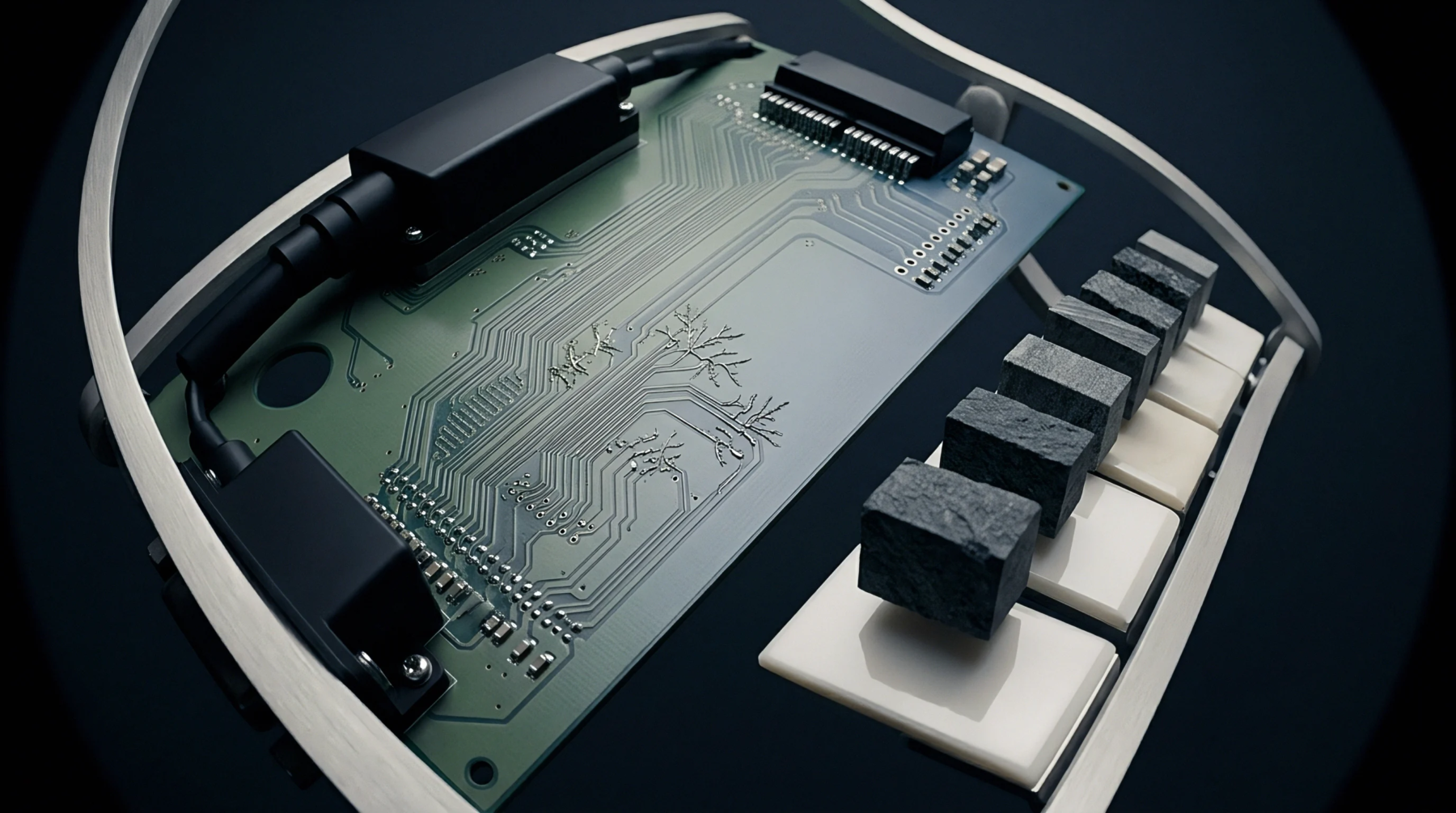
Electrochemical migration within passive components occurs when metallic ions move through insulation layers under constant voltage bias. Stitching capacitor degradation describes this loss of effective capacitance as the internal electrode structure loses integrity due to moisture ingress or ionic contamination. Porous ceramic materials allow fluid passage, which eventually creates conductive paths between plates and causes catastrophic shorts or increased leakage current in high density power distribution networks.
Mechanism Failure
Operational instability arises when these components undergo repetitive thermal cycling because the mismatch in coefficients of expansion induces microcracks in the ceramic body. High voltage stress accelerates the formation of dendrites that bridge the internal electrode layers, effectively shunting the intended energy storage capacity. Engineers monitor this physical decay through routine leakage current analysis and periodic dissipation factor testing to ensure that the hardware remains within specified operational limits throughout the working life of the circuit.
Inspection Protocol
Automated optical inspection provides insufficient evidence for the assessment of internal material status in surface mount assemblies. X-ray microscopy remains the standard for validating internal electrode alignment and detecting void formation that contributes to accelerated aging of the dielectric medium. Signal integrity remains fundamentally dependent upon the consistent performance of these units, as persistent field failures correlate directly with the physical breakdown of the insulation material under long term stress.