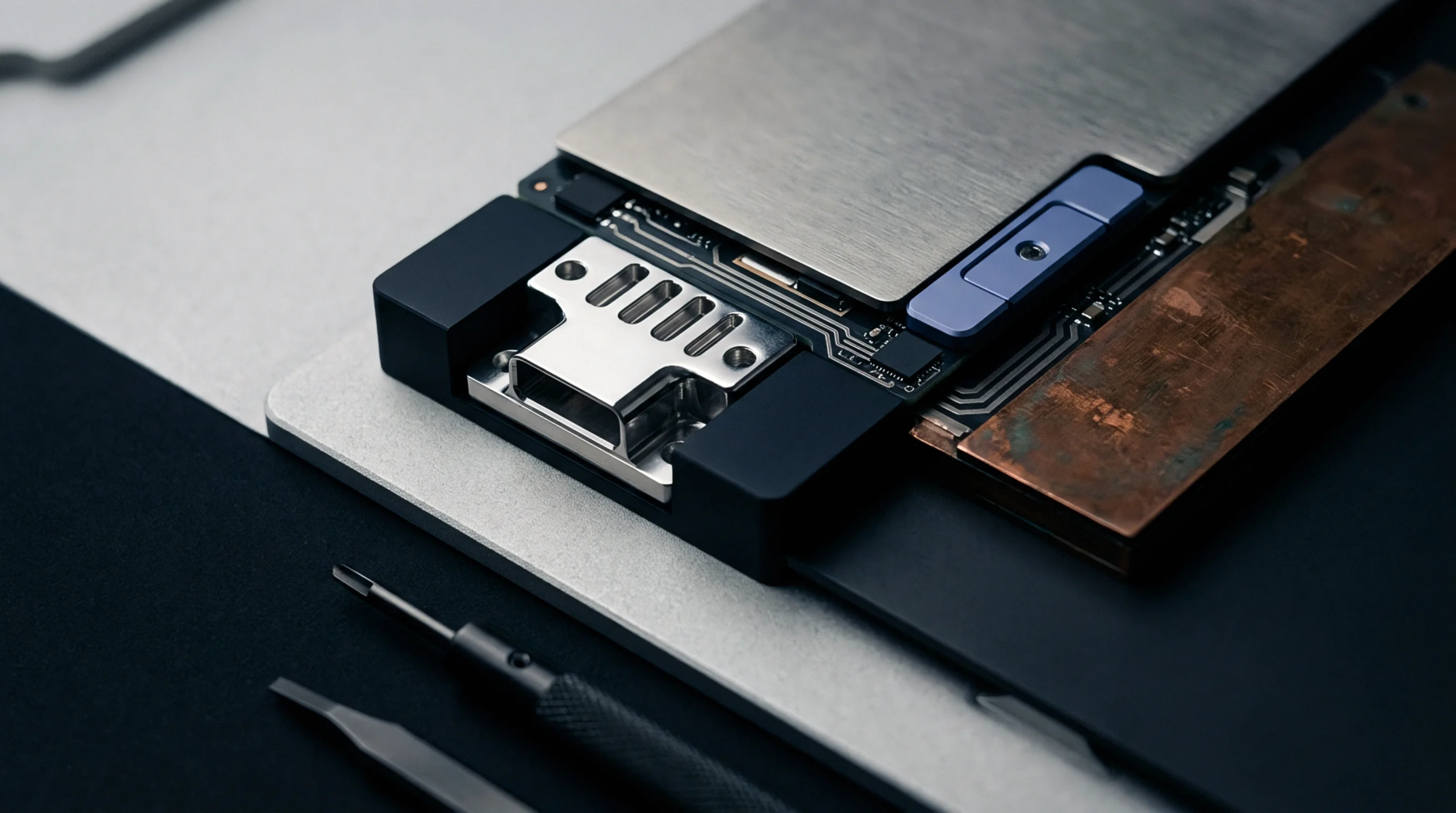
High-Frequency Measurement
Test structures etched into the borders of high-speed multi-layer panels allow the measurement of dielectric constant and loss tangent at gigahertz frequencies. Standard stripline resonator coupons utilize a conductor trace sandwiched between two ground planes to create a controlled-impedance transmission line. This configuration prevents radiation losses and allows accurate measurements of material properties under actual operating conditions.
High-speed board designs rely on these test coupons to verify signal propagation speed before shipping.
Impedance Calibration
Vector network analyzers connect to the test points of the coupon to measure the frequency response of the resonant trace. By analyzing these measurements from the stripline resonator coupons, engineers can calculate the effective dielectric constant and dissipation factor of the laminate material. This process is essential for verifying that the raw material meets the design specifications and has not been altered during lamination.
The use of these coupons also helps locate design errors or material inconsistencies across the panel. It provides a reliable method for quality control in high-volume production.
Geometric Dependence
Minute variations in the etched width of the resonator trace can affect the measured resonant frequency. For this reason, coupons must be etched with highly precise tolerances to ensure measurement accuracy.