Mechanical Constraint
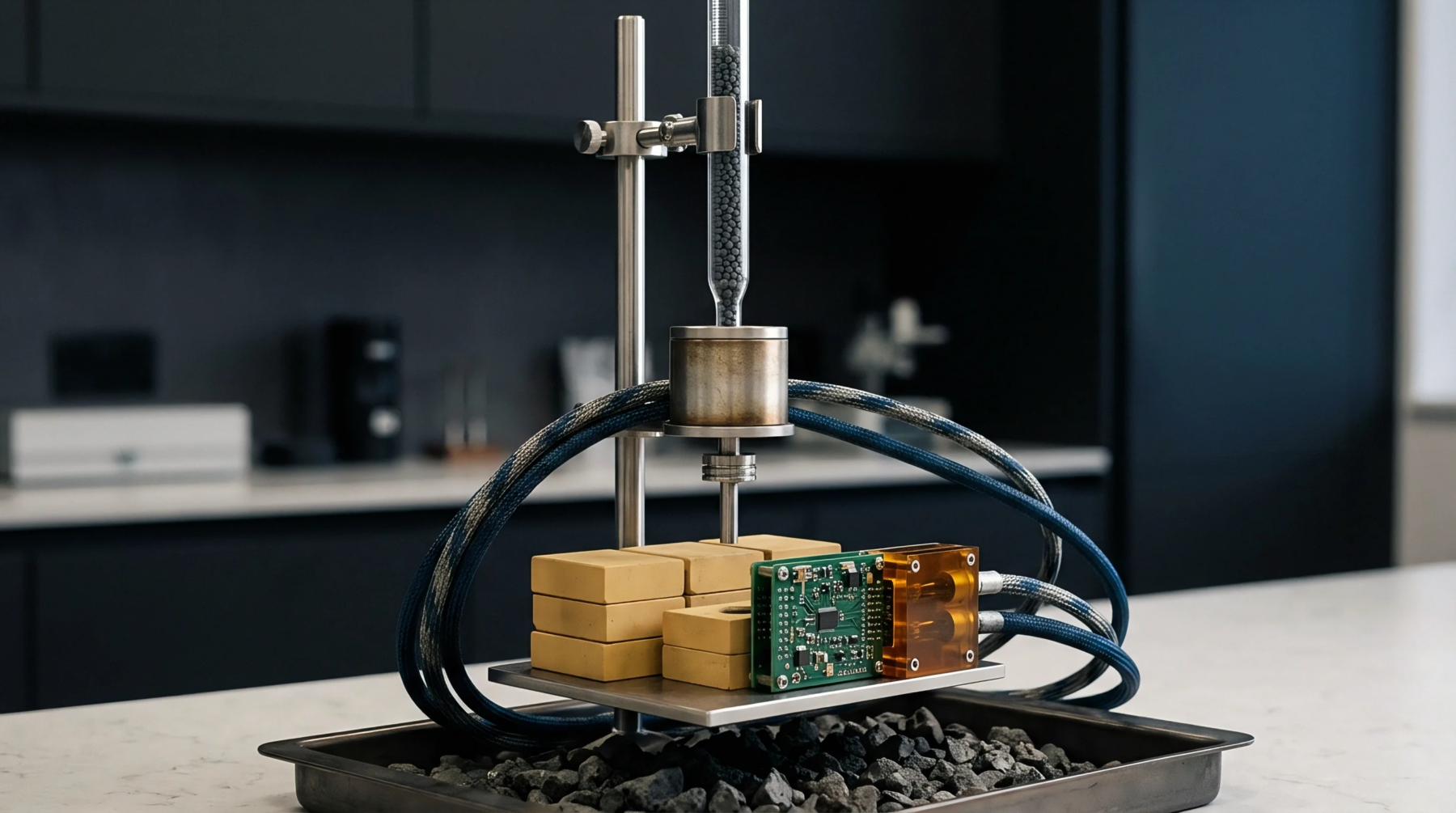
Surface tension during reflow solder processing relies on mechanical fixture strength to prevent printed circuit board warping, and substrate clamping rigidity defines the total downward force per linear unit needed to keep panels flat against carrier distortion. Thermal expansion differences between copper layers and woven glass epoxy cores generate severe internal moments at temperatures above two hundred degrees Celsius, which causes lifting if hold-down pressures fall below design specifications. Fixture engineers calculate this mechanical property by dividing applied pneumatic or spring actuator load by the resulting vertical deflection measured at the center of the test vehicle.
Thermal Deflection
Pneumatic actuator degradation and worn toggle clamps reduce downward pressure over thousands of thermal cycles, allowing micro-fissures to open inside ball grid array solder joints during cool-down phases. Production lines mitigate this variation by installing inline load cells that monitor actual clamping force continuously during the preheat zone, halting the reflow oven immediately when readings drop below acceptable thresholds. Copper distribution imbalances across inner layers create localized heating gradients that pull boards upward during peak temperature exposure, demanding higher mechanical resistance from edge fixtures to counteract the resulting torque.
Fixture Maintenance
Preventive maintenance schedules dictate regular calibration of pneumatic cylinders and mechanical latches to preserve uniform pressure distribution across all support points. Operators verify fixture performance using specialized strain gauge coupons that record actual holding forces under operating temperatures, replacing worn components before dimensional drift compromises solder fillet formation. Production yields depend directly on maintaining this mechanical stability throughout the entire heating and cooling profile, ensuring consistent electrical connectivity across every assembled panel.