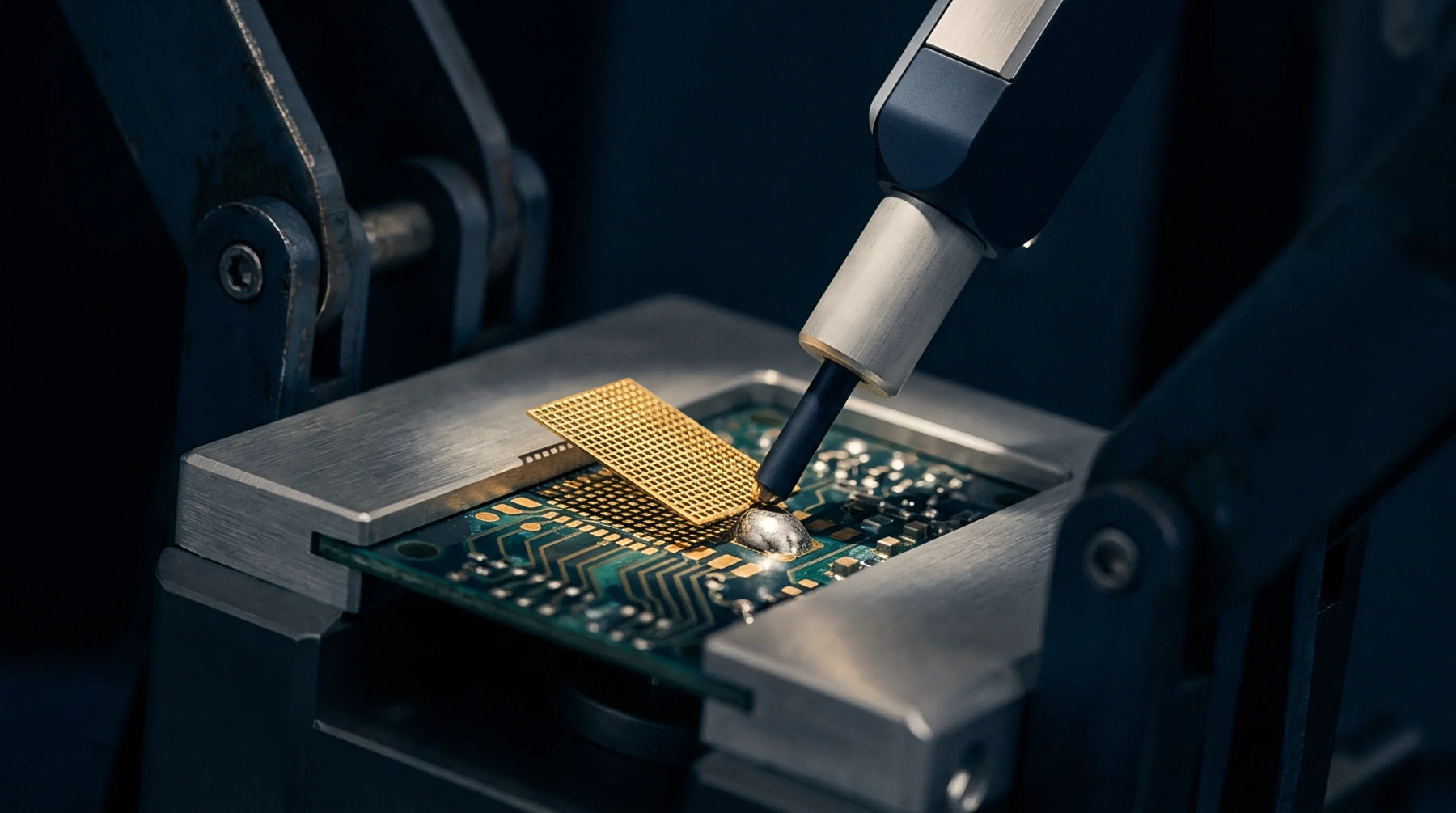
Electrical Verification
Integrity checks performed on bare printed circuit boards confirm the absence of shorts and opens before components are attached. Conducting substrate testing ensures that the copper circuits match the CAD design files and can support the required currents. This diagnostic phase prevents the waste of expensive active devices on faulty laminated boards.
Defect Scanning
Electrical continuity and isolation testing are performed using either flying probe systems or dedicated bed-of-nails fixtures. The test system runs a series of measurements across every net on the board, applying a low voltage to verify continuity and a high voltage to check the isolation resistance between adjacent conductors. If any copper traces are broken or improperly connected, the system flags the board as defective.
Implementing substrate testing during the early stages of the manufacturing flow reduces the diagnostic burden during final assembly and ensures that hidden faults like inner-layer shorts do not survive to the field.
Reliability Assurance
Optical and electrical diagnostics together form a multi-layered screening system during quality control. While automated optical inspection checks for cosmetic and trace-width defects, electrical testing focuses on the current-carrying capability of the copper. This combined methodology guarantees that every shipped board is fully functional.