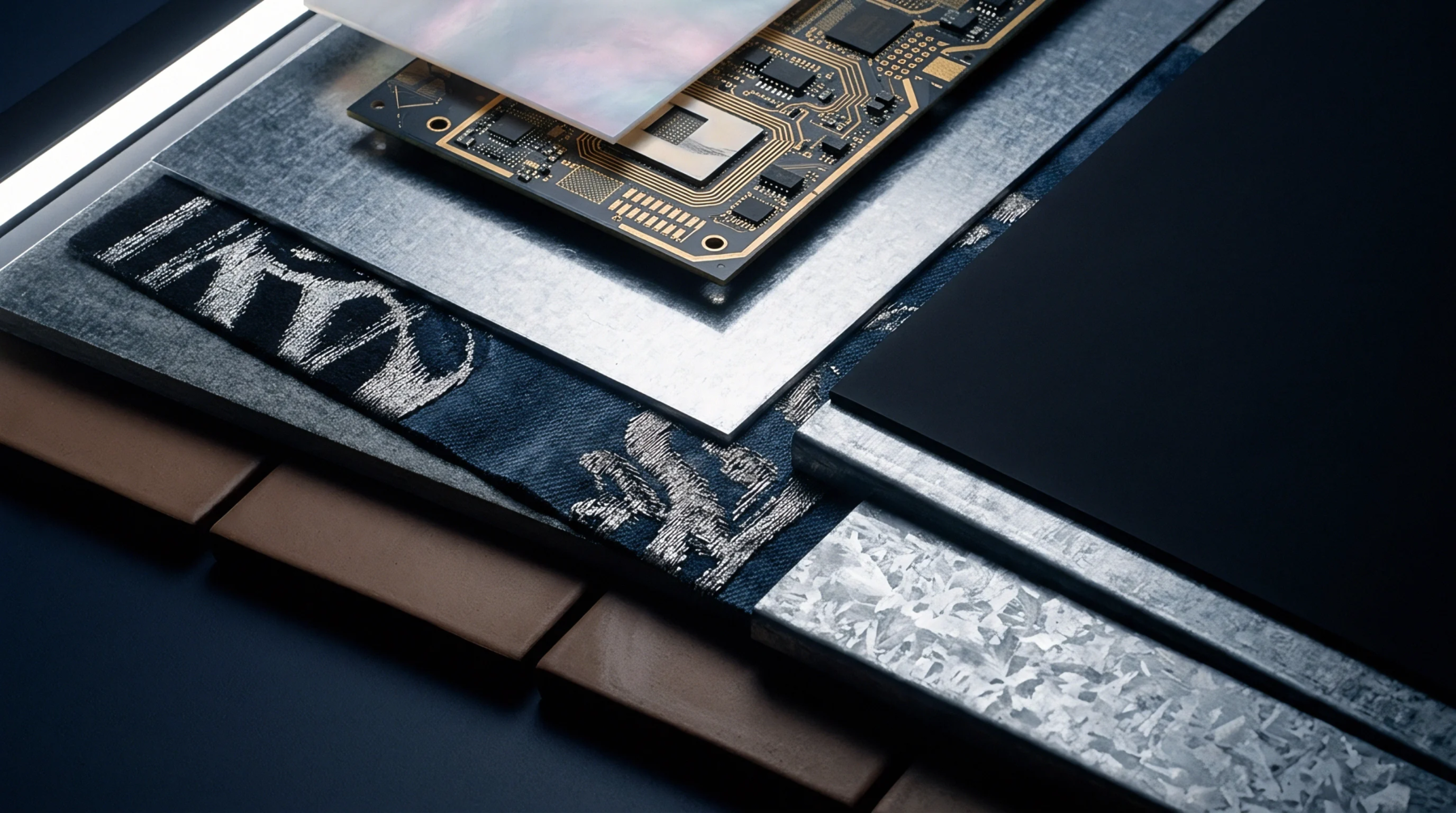
Attachment Principle
The process of securing electronic components directly onto the outer metal pads of a printed circuit board establishes the primary interconnection method in modern electronics. This surface mount attachment relies on solder joints to provide both the mechanical support and the electrical path for each component. Using surface mount technology replaces older through-hole techniques that required lead wires to pass through drilled holes in the board.
It allows for much higher component density and smaller board designs, which enables the manufacture of highly compact electronic devices like smartphones and medical sensors.
Solder Reflow
Forming these solder connections involves depositing solder paste and heating the assembly in a reflow oven. The temperature profile of the oven must be carefully controlled to melt the solder alloy without damaging the components. Too much heat can delaminate the board, while insufficient heat results in cold solder joints.
Modern assembly lines use multi-zone convection ovens to achieve precise temperature control.
Mechanical Integrity
Solder joint reliability is verified using optical and x-ray inspection methods. Shear testing is used during quality audits to measure the mechanical strength of the joints. This test applies a force to the side of the component until the joint fractures.