Reliability Verification
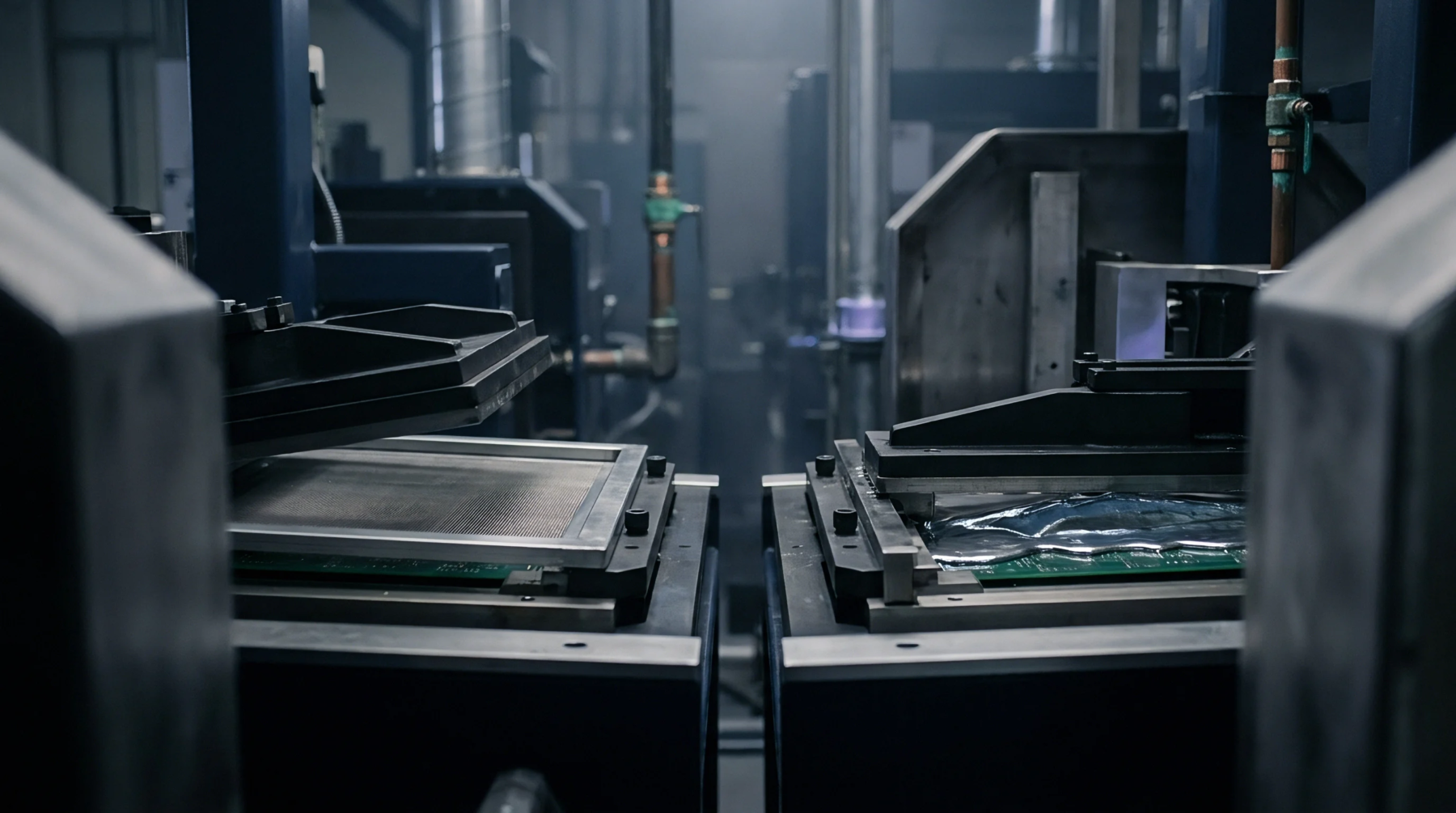
Quality assurance procedures for printed circuit boards involve subjecting a sample to extreme temperature changes to evaluate the integrity of the substrate and the internal copper interconnects. A thermal stress test simulates the conditions a board might face during multiple reflow cycles or in harsh operating environments. This process identifies latent defects such as plating cracks, substrate delamination, resin recession, or internal voiding that might not be visible under standard inspection.
Cyclic Procedure
The test often involves floating a sample in a molten solder bath at a specific temperature, such as two hundred eighty eight degrees Celsius, for a set duration. Afterward, the board is cross sectioned and examined under a microscope to check for any separation between the copper plating and the glass epoxy. Another common method is thermal cycling, where the board moves repeatedly between extreme cold and extreme heat.
A thermal stress test forces any mechanical weaknesses in the via barrels or inner layer bonds to reveal themselves as physical failures.
Acceptance Criterion
Standards such as IPC-6012 define the maximum allowable degradation of the board structure following the test. Any evidence of resin recession or cracking in the copper beyond a certain percentage of the wall thickness results in a failure. These tests are essential for high reliability industries like aerospace and medical electronics where a single interconnect failure could have catastrophic results.
By confirming that the board can survive these stresses, manufacturers ensure that the design and the fabrication process are stable enough for long term service.