Filament Growth
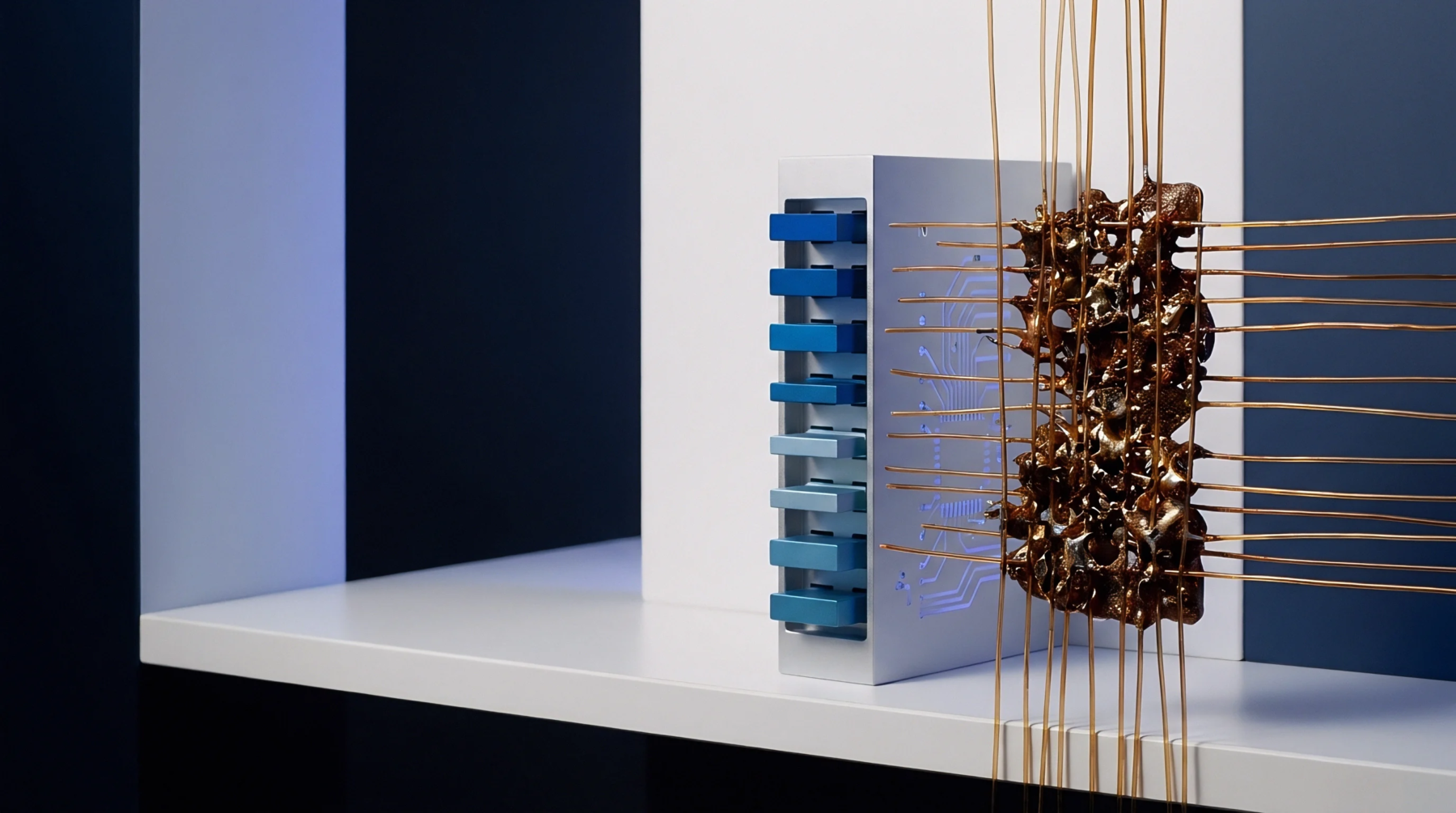
Spontaneous hair-like crystalline structures grow from pure tin surfaces over time, creating a risk of electrical short circuits. The phenomenon of tin whiskers occurs primarily on lead-free surface finishes, where compressive stresses in the plating drive the growth of these conductive filaments. This growth can span several millimeters, bridging the gap between adjacent component pads or traces.
It represents a major reliability hazard in high-reliability applications such as aerospace and medical electronics. Because they are conductive, these filaments can carry high currents and cause instantaneous shorts, resulting in system failures or localized thermal damage.
Mitigation Strategy
Mitigation of this problem involves the use of alternative plating materials or protective coatings. Conformal coating acts as a physical barrier that can prevent the growing filament from penetrating and reaching other electrical potentials. Some manufacturers use tin-lead solder alloys or add elements like nickel to the plating bath to reduce the compressive stress that initiates the growth.
Inspection Protocol
Inspection for these microstructures requires high-resolution scanning electron microscopy since they are too thin to be seen with standard optical inspection tools. Quality departments conduct accelerated aging tests under varying humidity and temperature conditions to evaluate the long-term risk of a given plating finish. These rigorous checks help certify that the chosen component finishes are safe for use in safety-critical systems.