Signal Interruption
Unused portions of copper routing that extend beyond the active signal path of a printed circuit board trace can degrade signal quality. Transmission line stubs represent the dead-end branches of traces or the unused portions of plated through-hole vias that act as open circuit branches. This geometric feature is common in multi-layer boards where signals are routed through vias to reach the internal layers.
It restricts the bandwidth of high-speed transmission lines.
Reflective Distortions
High-frequency signals propagating along a trace will split when they reach a branch, with some energy traveling down the main line and the rest down the stub. When the signal reaches the open end of the stub, it is reflected back with a phase shift, recombining with the original signal and causing severe phase and amplitude distortion. This interaction creates notches in the channel’s frequency response, which attenuates the signal at specific frequencies and narrows the eye diagram of digital signals.
The length of the stub determines the frequencies at which these signal losses are most severe.
Stub Eradication
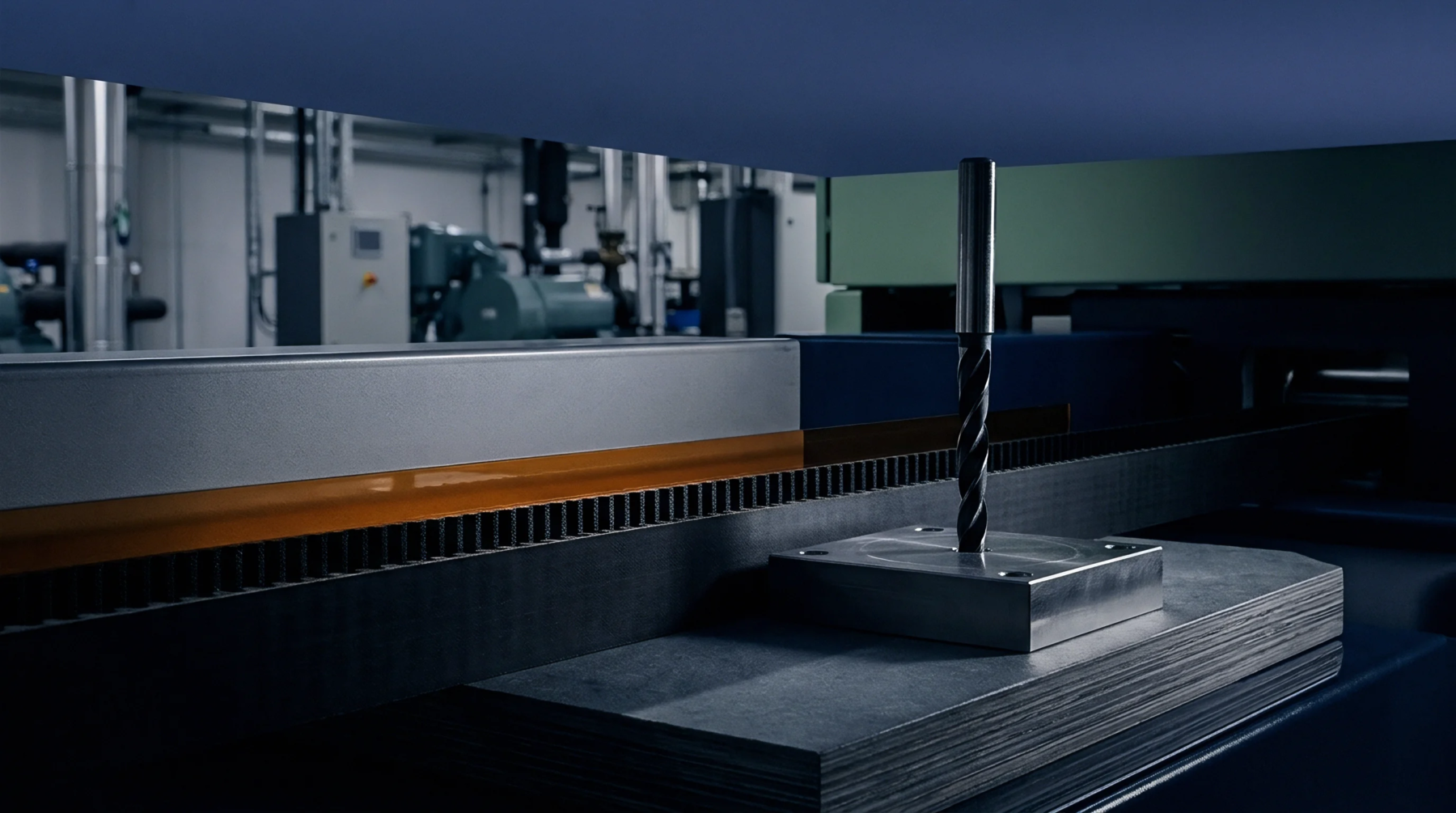
Removing these unused copper sections is done by backdrilling the via holes to remove the unused plating from the bottom layers. This drilling process removes the source of the reflections, which improves the signal integrity of the transmission line. This modification is critical for high-data-rate interfaces.