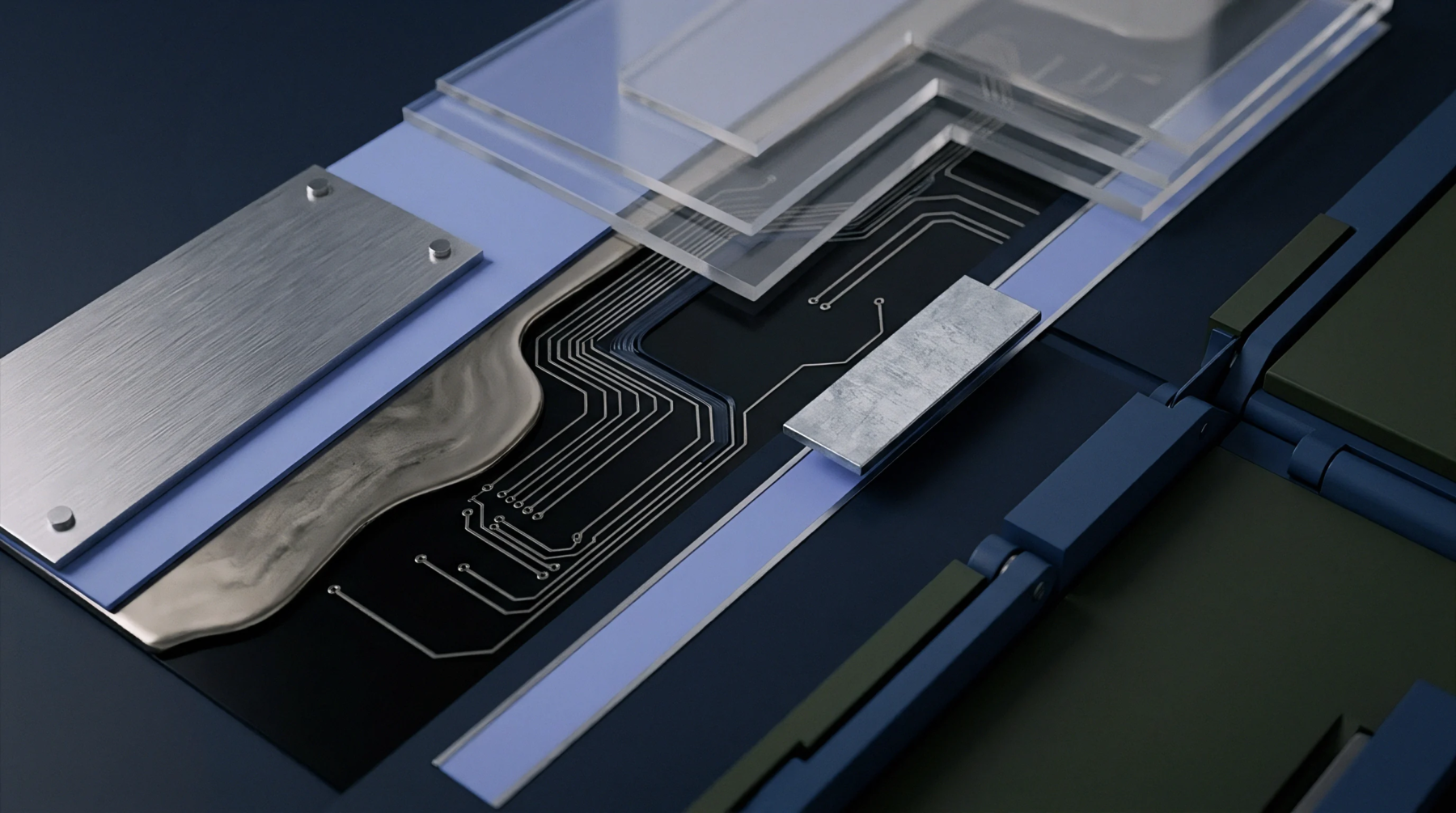
Transfer Efficiency Decay Modeling across Squeegee Velocity Cycles
High squeegee velocities induce thixotropic breakdown, causing systematic volume transfer efficiency decay across consecutive printing cycles.
High squeegee velocities induce thixotropic breakdown, causing systematic volume transfer efficiency decay across consecutive printing cycles.
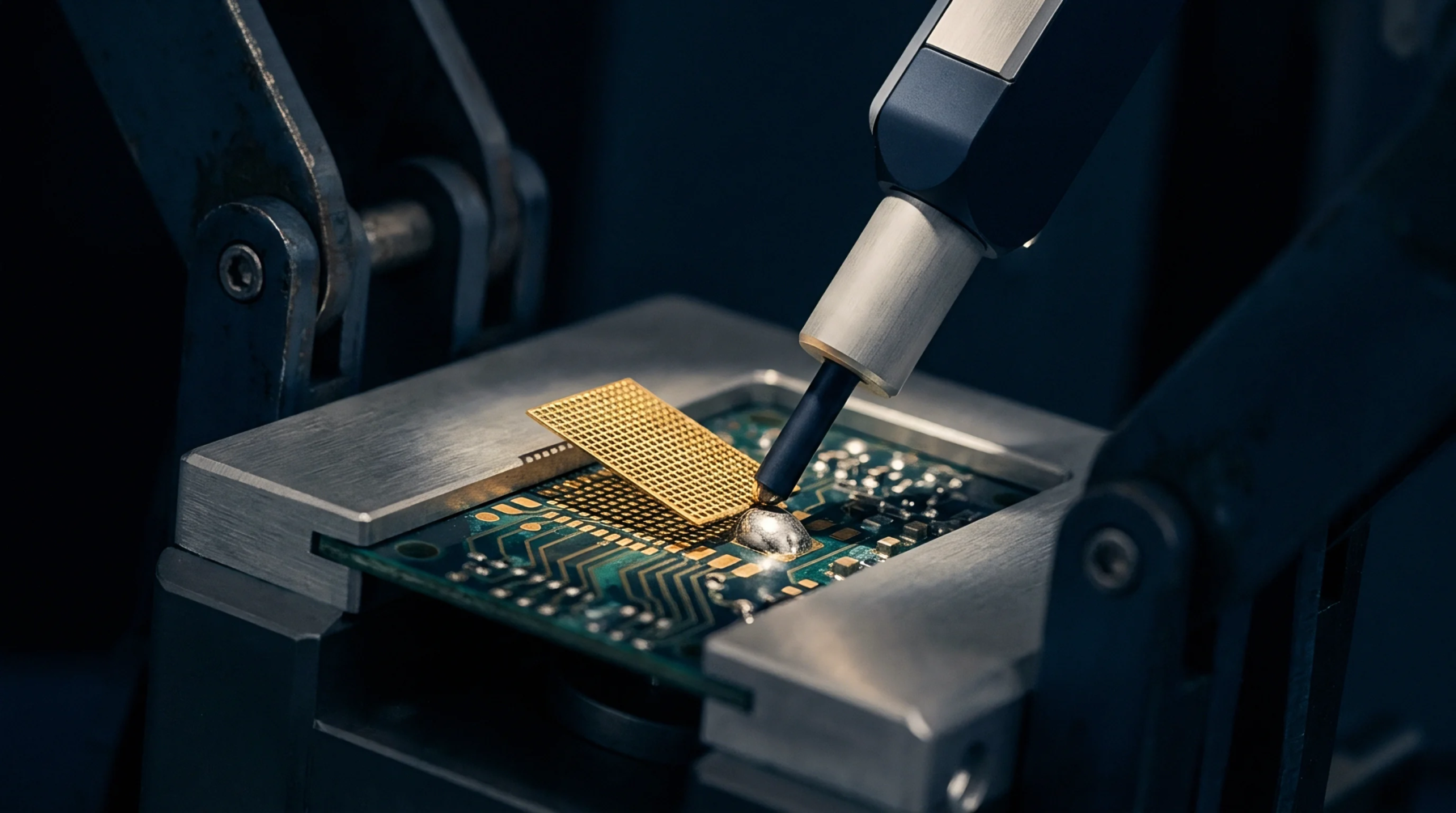
Fine pitch printing requires controlling paste viscosity under squeegee shear and managing stencil area ratios above zero point five five to maintain volume yield.

Optimizing stencil area ratios above 0.55 using electropolished foils and Type 5 paste maximizes volume transfer efficiency while minimizing SMT assembly defects.
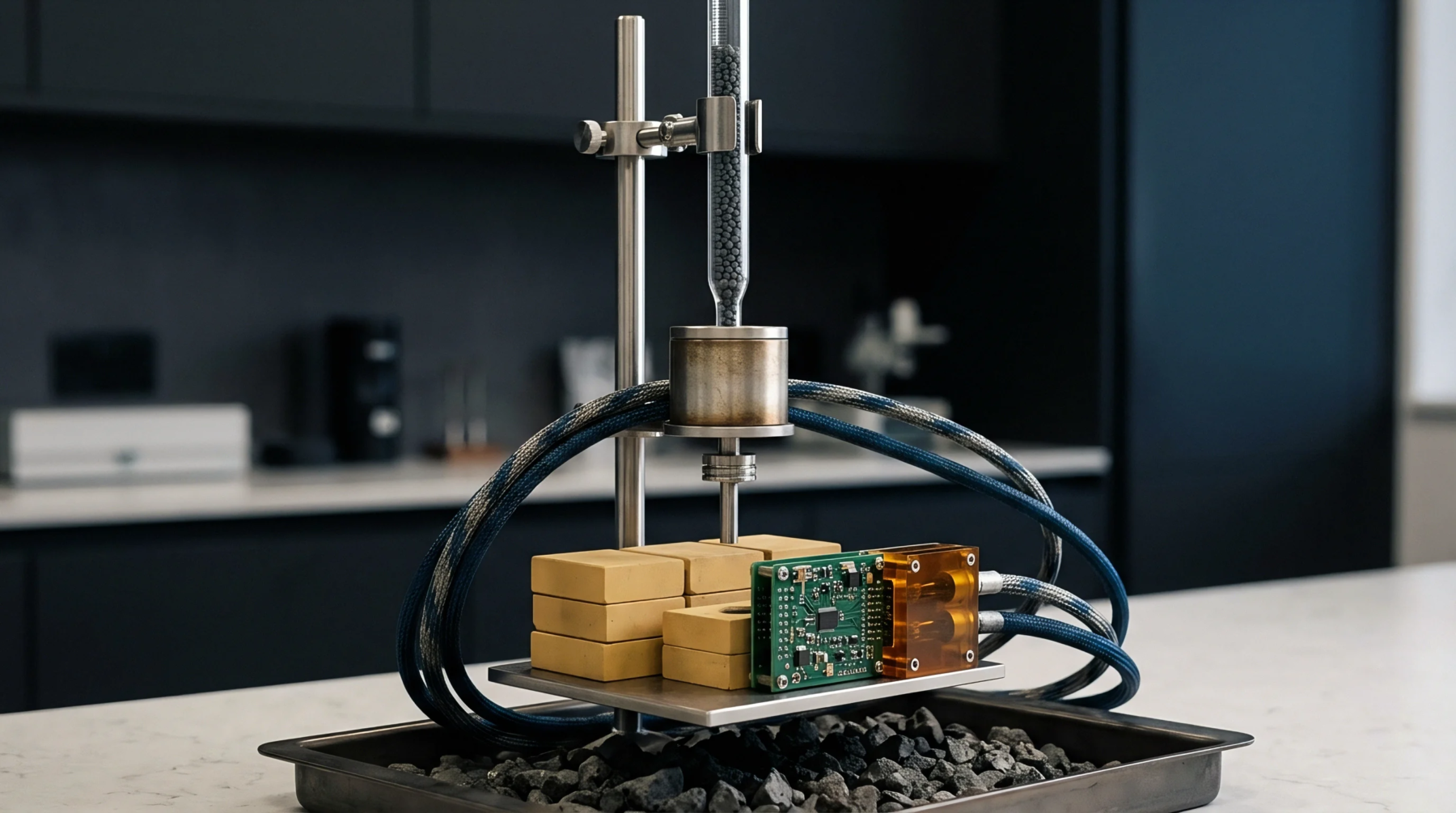
Maintain stencil aperture area ratios above 0.66 and aspect ratios above 1.5 to achieve reliable solder paste transfer efficiency on fine pitch components.
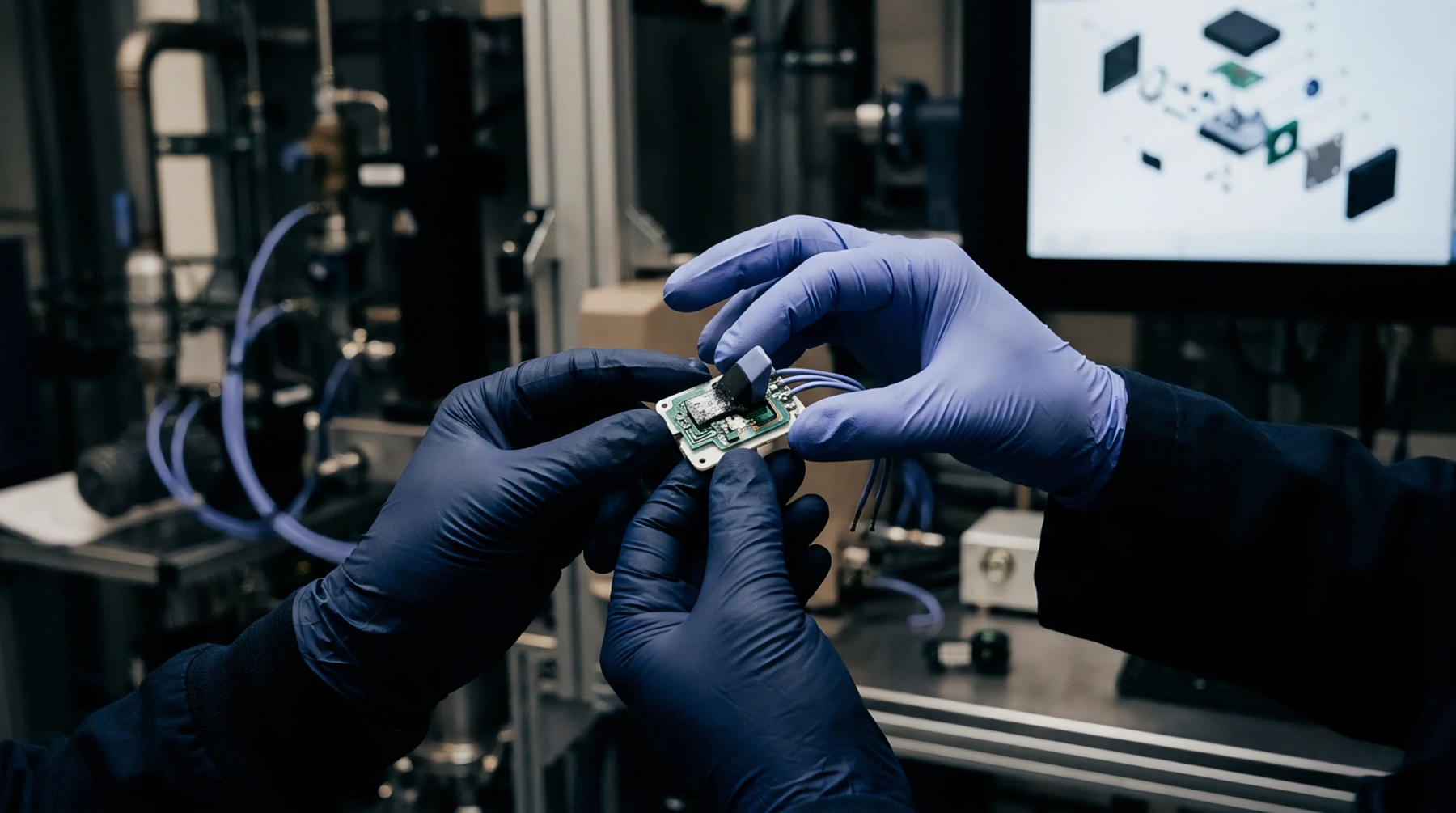
Micro-aperture transfer efficiency depends on balancing high-shear thinning during blade pass with rapid thixotropic recovery to secure clean stencil release.
Expertise is a utility, not a secret. sentiention™ publishes its working knowledge as open reference: intelligence layer covering the materials it sources, the markets it enters, and the reference that serves both.