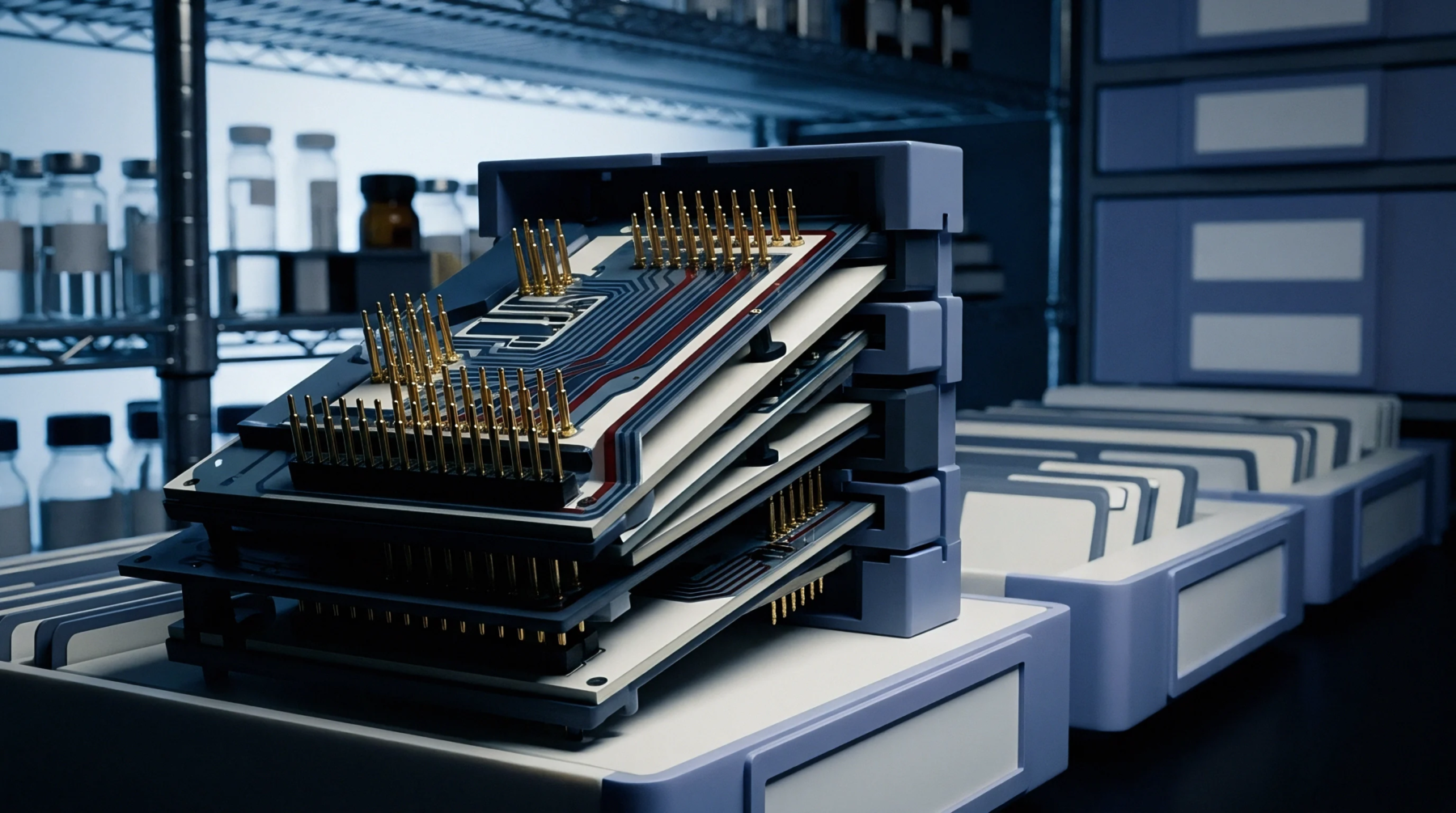
Financial Metric
Normalized manufacturing expense represents the total expenditure incurred to produce a single bare printed circuit board. Production management tracks unit fabrication cost to evaluate the economic feasibility of a design before starting mass production. The metric incorporates material costs, labor expenses, and machine depreciation divided by the total yield of acceptable panels.
This value determines the pricing strategy for the finished product and guides decisions regarding design changes or material substitutions. In high-volume manufacturing, even a small reduction in trace width or pad size can allow more boards to fit on a single production panel, which reduces the per-board share of setup and processing expenses. By analyzing these variables during the design phase, engineers can balance technical performance against assembly line expenditures.
Cost Component
The primary drivers of this metric are substrate material selection, layer count, and overall manufacturing yield. Utilizing high-frequency laminates or increasing the number of conductive layers rises the base material expense significantly. Furthermore, complex processes like laser drilling for microvias add sequential processing steps that increase the probability of defects, thereby raising the effective cost per good board.
Process Optimization
Optimizing panel utilization and streamlining manufacturing steps are primary methods for reducing this expense. Designing boards to fit efficiently within the standard production panel size minimizes waste material and increases the number of units produced per lamination cycle. Additionally, simplifying the board stackup to reduce the number of lamination steps lowers the overall processing time and improves first-pass yields.