Optical Preservation
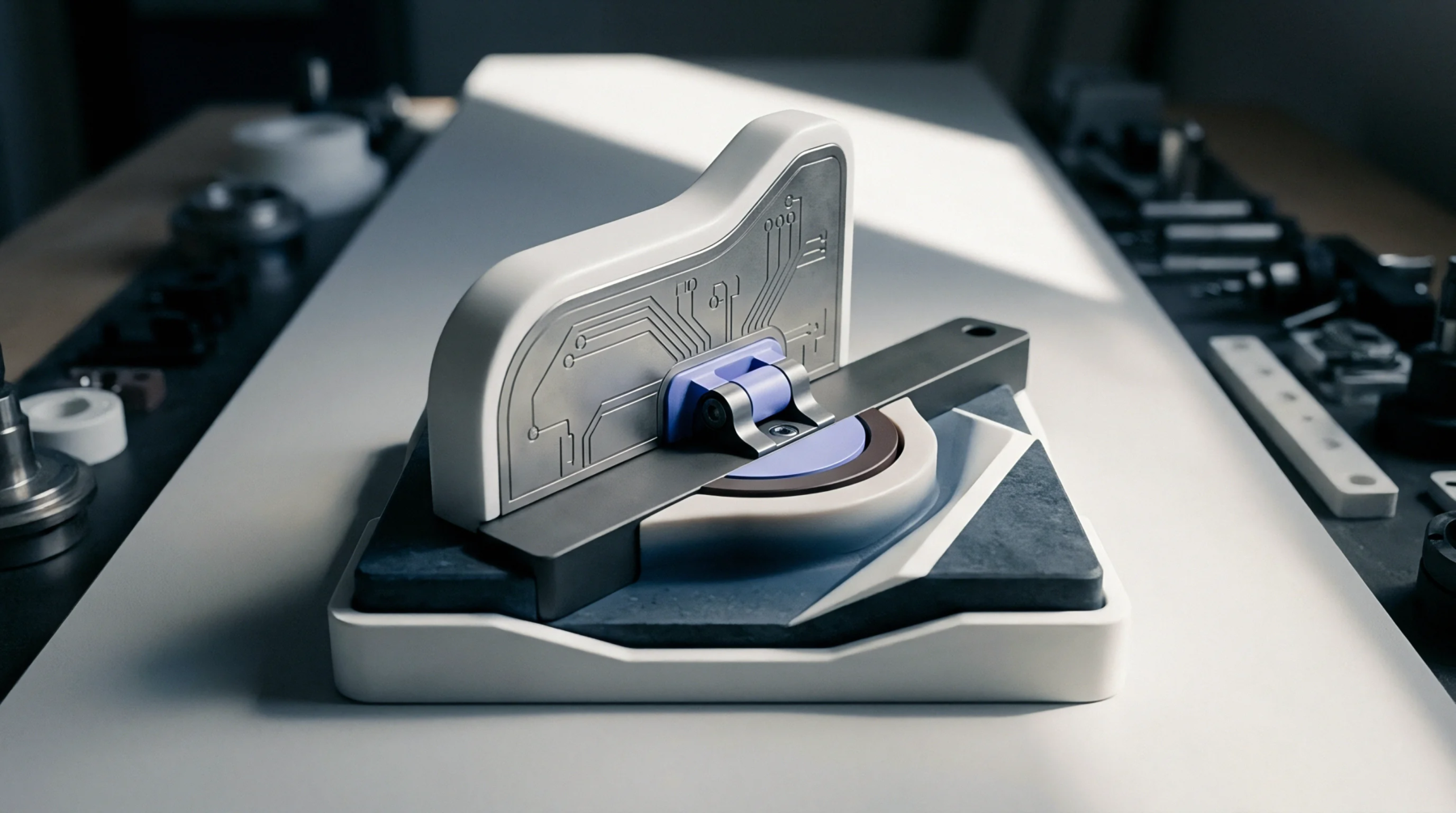
Continuous purge gas displacement prevents volatile condensable species and airborne particulates from depositing onto internal optical viewports in thermal processing equipment. Within vacuum reflow ovens, automated selective soldering cells and laser direct imaging chambers, viewport scavenging directs an inert gas stream across the inner glass surface of inspection observation windows. The directed gas flow intercepts evaporated flux solvents, rosin vapors and outgassed plasticizers before these contaminants can contact and condense upon the cool optical boundary.
Preserving glass transparency maintains the accuracy of pyrometric temperature sensors, process monitoring cameras and optical inspection instruments operating inside active production machinery.
Contaminant Diversion
Evaporated chemistries from solder pastes and liquid fluxes undergo volatilization under peak reflow temperatures, migrating naturally toward cooler structural surfaces such as observation viewports. When viewport scavenging operates with unbalanced gas velocities, volatile flux acids settle onto the inspection glass, forming sticky, semi-opaque films that attenuate optical transmission across visible and infrared spectrums. Attenuated infrared radiation causes non-contact pyrometers to read artificially low temperatures, inducing the oven control loop to overheat printed board assemblies and scorch delicate laminate resins.
In selective soldering systems, clouded observation optics disrupt automated fiducial alignment, generating positional offsets that push molten solder waves into adjacent non-soldered pads. High-reliability manufacturing lines implement calibrated nitrogen curtains or laminar knife gas flows along the window face to carry aerosolized contaminants directly into oven exhaust extraction ducts. Periodic maintenance schedules evaluate window transmissivity to confirm that purge gas delivery patterns provide uniform protection across the entire optical viewing area.
Purge Limitation
Gas flow velocity across the optical boundary must remain laminar to avoid creating turbulent eddies that draw volatile condensables back toward the viewport face. Excessive purge pressure also cools localized zones of the solder chamber, introducing temperature non-uniformity across moving circuit panels during active soldering profiles. Production validation protocols balance scavenger gas flow rates to maintain optical clarity without disturbing thermal equilibrium in the reflow environment.