
Vector Analysis Algorithms for Microvia Alignment in Substrate Core Pressing
Vector distortion algorithms compute dynamic affine and non-rigid matrix offsets to keep microvia target land overlay within standard annular ring limits.
Vector distortion algorithms compute dynamic affine and non-rigid matrix offsets to keep microvia target land overlay within standard annular ring limits.

Real-time thermal drift compensation algorithms eliminate optical displacement errors to maintain sub-micron SMT inspection accuracy across factory temperature cycles.
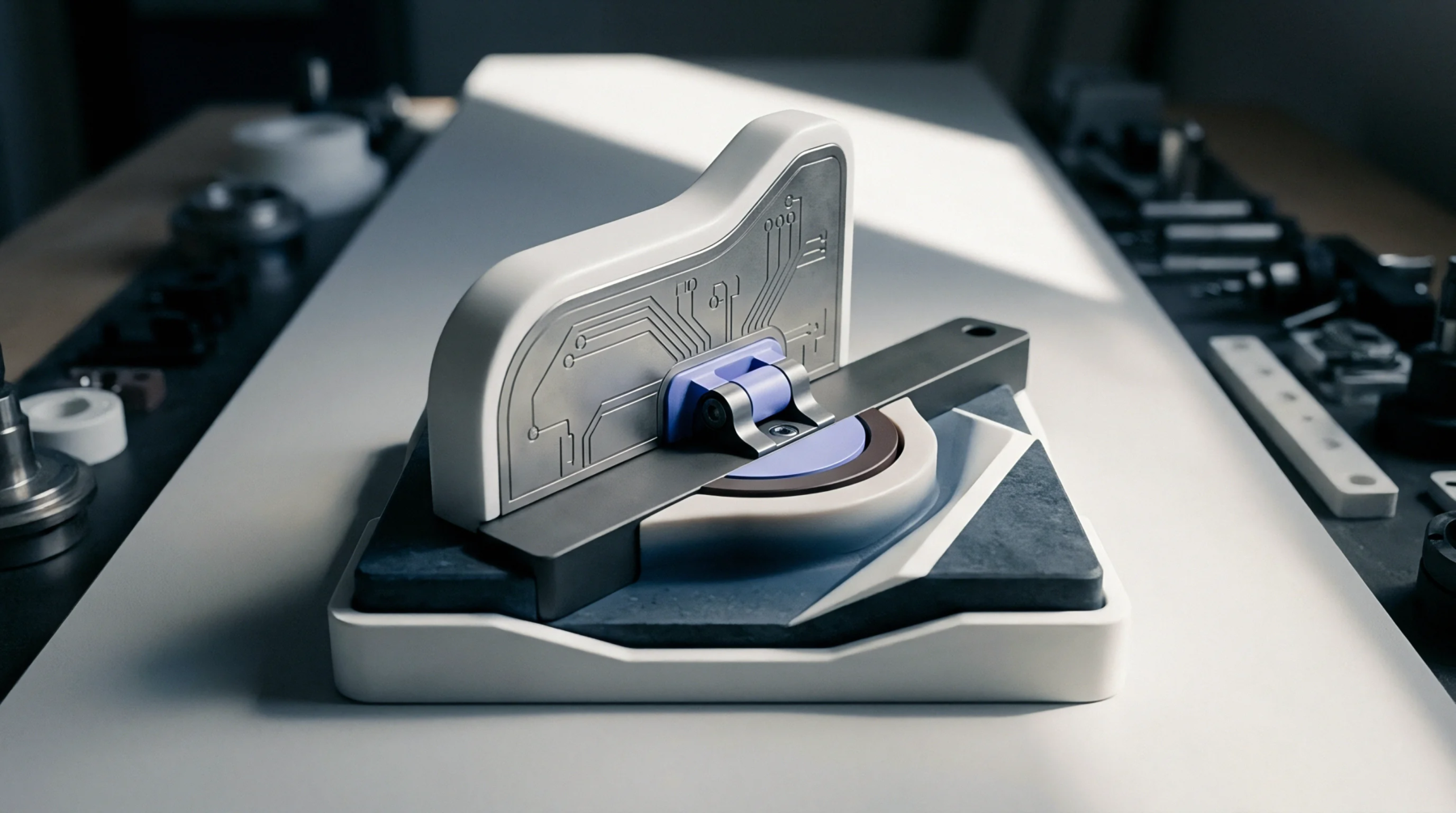
Dynamic thermal deformation protocols maintain sub-twenty-micrometer placement accuracy by dynamically updating vision kinematics across thermal cycles.

Dynamic optical spatial alignment compensates for non-linear carrier shrinkage during coreless production, preserving sub-micron overlay and multi-layer yields.

Anisotropic polynomial shrinkage modeling reclaims fifteen microns of microvia capture margin, preventing costly multi-pass HDI panel breakout scrap.

Sequential core lamination registration requires X-ray target vector mapping and dynamic affine drill scaling to maintain zero breakout microvia alignment.
Expertise is a utility, not a secret. sentiention™ publishes its working knowledge as open reference: intelligence layer covering the materials it sources, the markets it enters, and the reference that serves both.