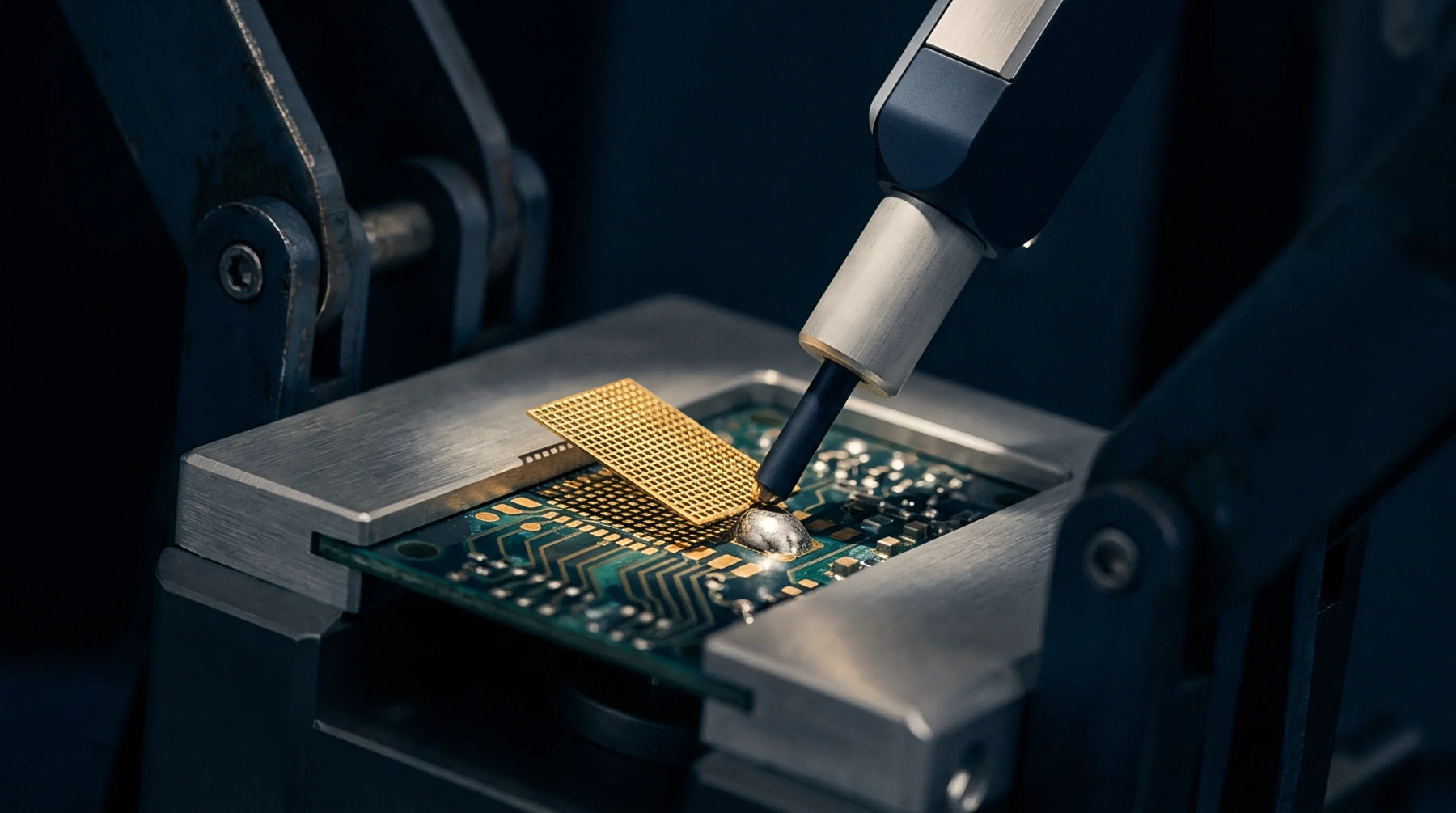
Foil Weight
Physical dimension specifies the vertical mass of conductive material bonded to a dielectric substrate. Standard copper foil thickness is often expressed in ounces per square foot, where one ounce equates to approximately 35 micrometers of height. Designers select this value to meet specific electrical and thermal requirements during the fabrication process.
Current Capacity
Thermal management and power distribution depend on the cross-sectional area of the finished traces. A copper foil thickness of 70 micrometers carries twice the current of a 35 micrometer layer for a given temperature rise. When high power components are mounted, thicker foil prevents excessive heat buildup that could damage the resin system.
Excessive thickness increases the overall height of the stackup and influences the final rigidity of the circuit board.
Etching Precision
Chemical removal of unwanted metal becomes more difficult as the vertical profile of the conductor increases. A high copper foil thickness requires longer immersion in etching solutions, which often leads to lateral erosion known as undercut. If a trace is 35 micrometers tall, the etchant might remove 10 micrometers from each side, but a 105 micrometer foil results in considerably more deviation from the intended width.
Precise impedance control becomes harder to achieve on thick foils due to this trapezoidal trace shape. Small features with tight spacing are generally restricted to foils of 18 micrometers or less.