Thermal Evaluation
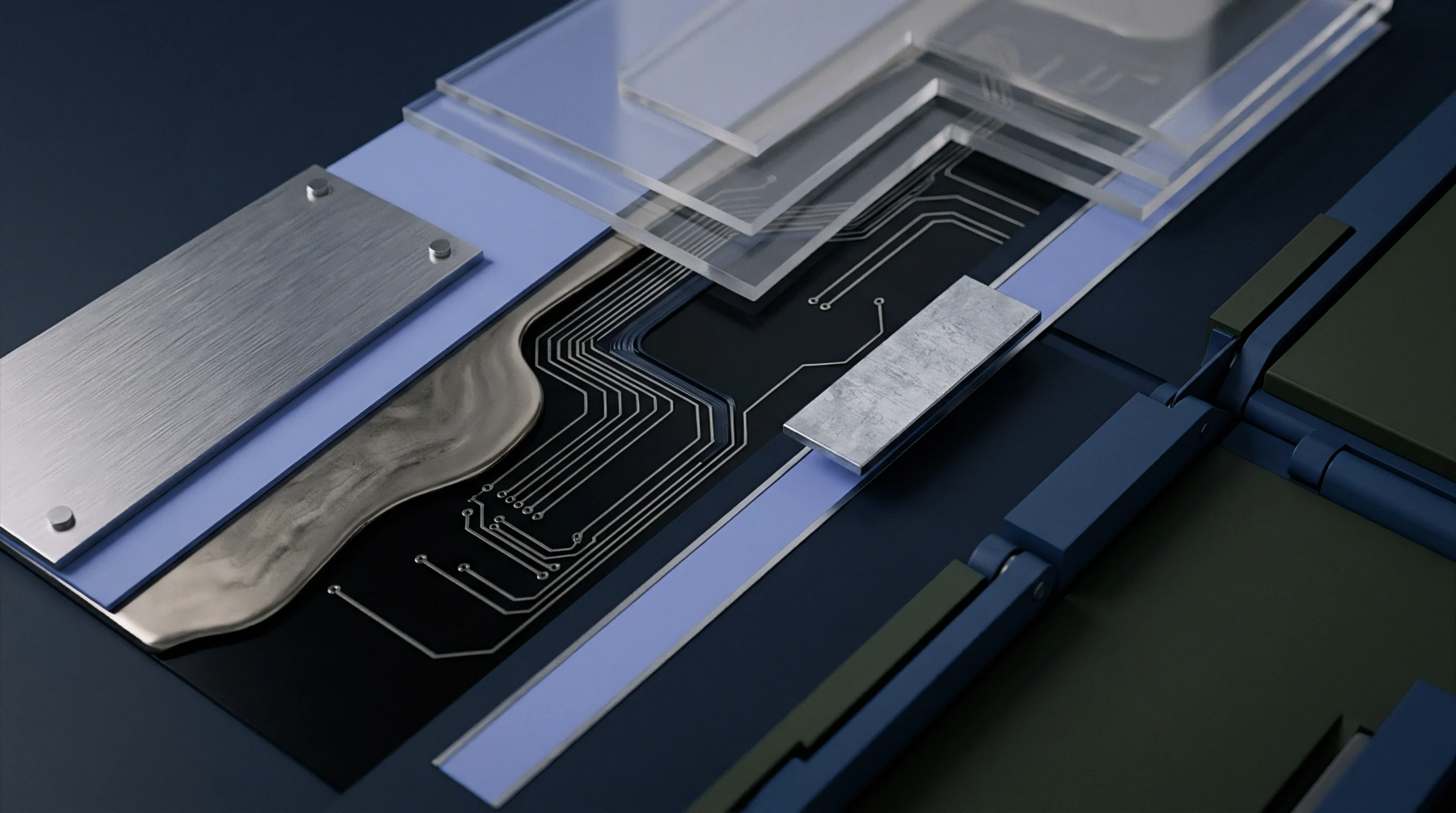
An analytical coupon design within printed circuit board manufacturing enables empirical validation of multi-layer registration accuracy and interconnection reliability after exposure to accelerated reflow profiles. Such a d-coupon serves as a dedicated test structure etched onto the production panel border rather than the active functional area. Fabrication facilities use this geometry to measure dielectric layer expansion and copper plating integrity through cross-sectioning after simulated soldering cycles.
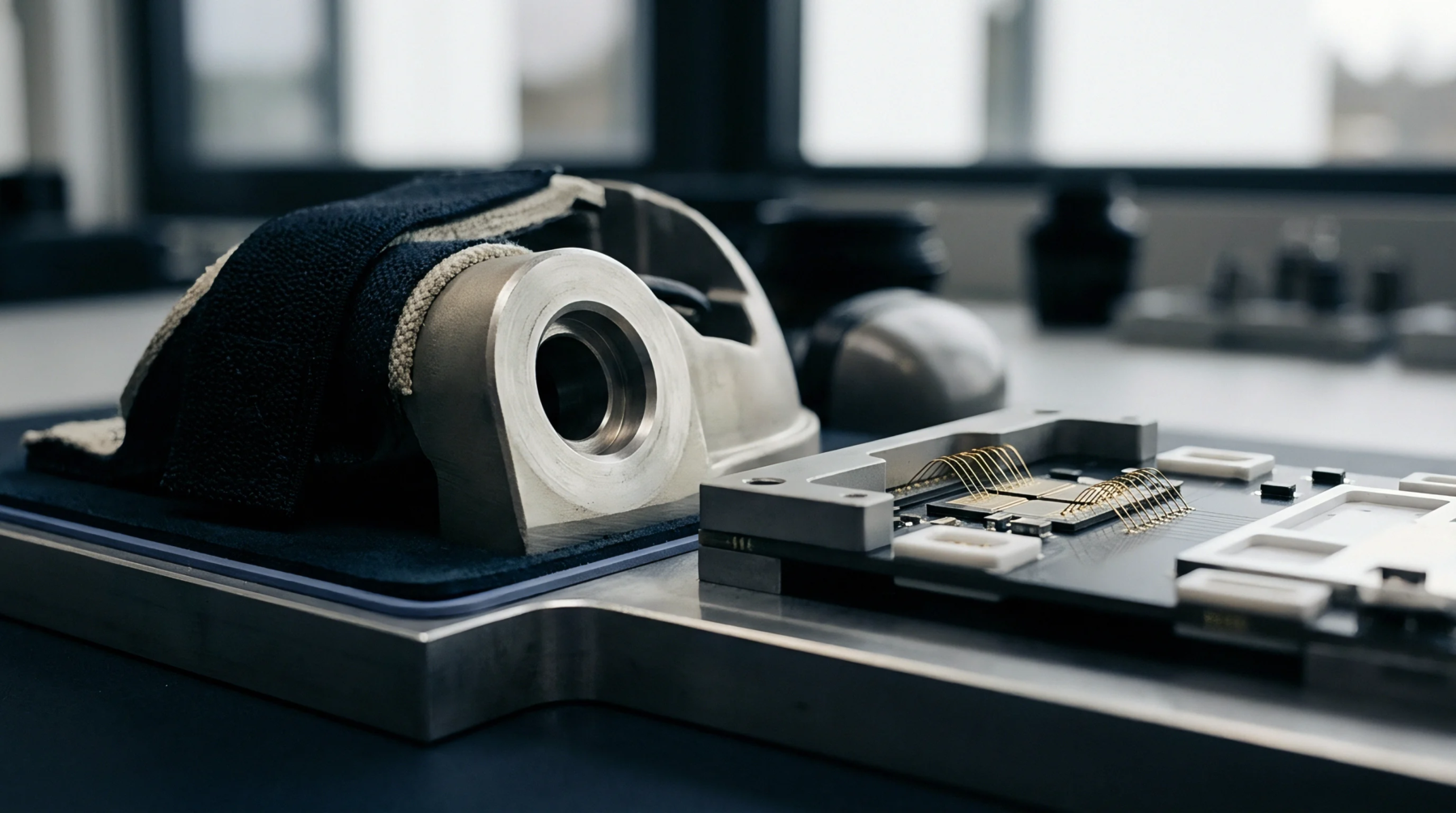
Standard procedures require this artifact to follow the same processing steps as the primary boards to ensure representational outcomes. Engineers evaluate the resulting coupon through micro-section analysis to confirm that the drill registration matches design intent before shipping high-density interconnect units. Failure of the d-coupon structure during automated thermal stress testing prevents release of the entire batch of panels.
Registration Tolerance
Precise geometric alignment between internal conductive layers determines the electrical performance of high-frequency signal paths across the dielectric material. Designers integrate a d-coupon at the corner of each fabrication panel to monitor lateral shifting that occurs during high-pressure lamination stages. Operators inspect the inner layer pads through controlled removal of the laminate until the target vias appear visible.
Variations in hole centering indicate improper lamination heat cycles or mechanical registration errors during the layer buildup process. Measurements taken from these points provide the necessary feedback for calibrating alignment machinery before further material undergoes expensive processing. A shift beyond the predefined tolerance limits forces an immediate halt to all current assembly activities.
Reliability Metric
Long-term fatigue resistance under thermal cycling conditions identifies the limit of the copper-to-dielectric bond strength in robust multilayer constructions. The d-coupon contains daisy-chain structures that allow continuous resistance monitoring while the assembly undergoes repeated temperature swings from sub-zero settings to extreme heat. If the resistance values spike beyond the established threshold, the test signals an internal fracture at the via barrel or the interface of the pad and trace.
Changes in conductivity correlate directly to the physical health of the connection points within the final product. Data derived from this coupon provides the only verifiable proof that the internal circuitry maintains integrity under operational stress.