Mechanics Profile
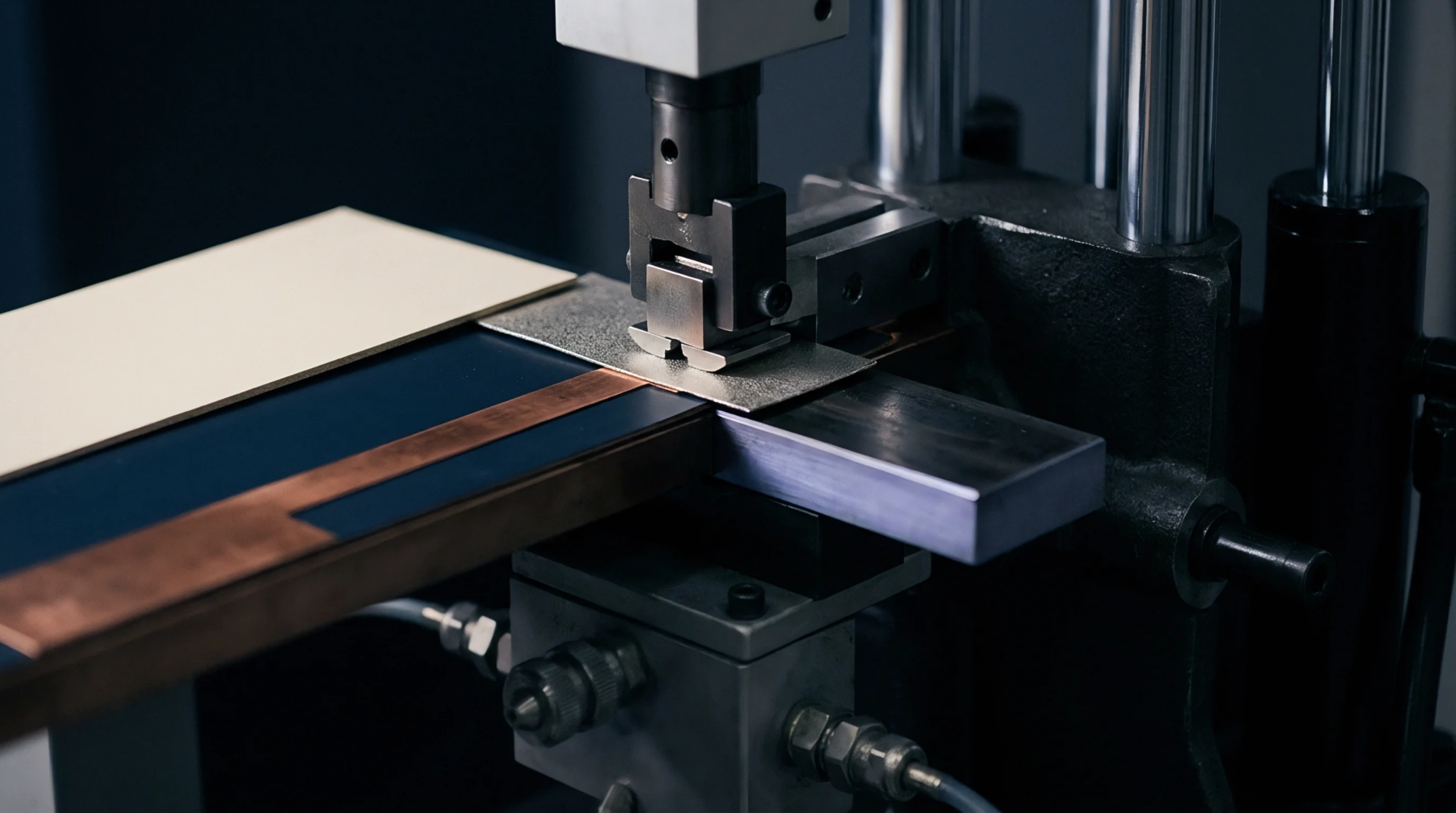
Mechanical alignment correction governs component placement accuracy on printed circuit boards during high speed surface mount technology production. Feeder indexing calibration determines the exact angular rotation and linear advance required for pick and place nozzles to retrieve tiny surface mount devices from tape pockets without shifting. When mechanical wear stretches carrier tapes or pneumatic actuators drift, misalignment causes parts to miss the suction nozzle centreline entirely.
Production lines stop automatically when optical recognition cameras detect excessive angular deviation during the pickup cycle. Restoring proper alignment involves adjusting the stepper motor microstep parameters and mechanical pawl engagement depth until tape pitch matches the digital coordinate map of the machine program exactly. Technicians measure physical displacement using high magnification laser displacement sensors mounted directly above the tape peel point.
If the sprocket pitch and the optical encoder pulses fall out of synchronization, component tombstoning occurs during reflow soldering because the solder paste melts unevenly underneath displaced terminations.
Process Verification
Quality assurance protocols verify positional accuracy through dedicated test runs using empty carrier tapes embedded with reference targets. Feeder indexing calibration requires strict adherence to machine manufacturer tolerances before any production batch of double sided circuit boards enters the assembly zone. Operators run diagnostic routines that feed data into the placement head controller to verify repeatability across all twenty tracks simultaneously.
Defective mechanical components inside the ratchet mechanism generate erratic advancement steps that invalidate the digital compensation table stored in the factory execution software. Optical inspection systems stationed immediately after the placement stage catch residual offset errors by comparing actual component body edges against CAD coordinate overlays.
Yield Impact
Operational efficiency depends entirely on maintaining tight mechanical tolerances within the tape advancement assemblies throughout long manufacturing shifts. Feeder indexing calibration prevents component loss and reduces the frequency of emergency line stoppages caused by jammed carrier pockets or dropped integrated circuits. Maintenance engineers track historical placement error logs to predict when mechanical springs and drive pins require replacement before catastrophic jamming halts production entirely.
Component packaging variations from different material suppliers demand frequent adjustments to the advance stroke length to prevent tape tearing at high operational speeds. Stable positioning accuracy guarantees that microscopic components arrive precisely at the designated pickup coordinates without inducing mechanical stress on fragile terminations.