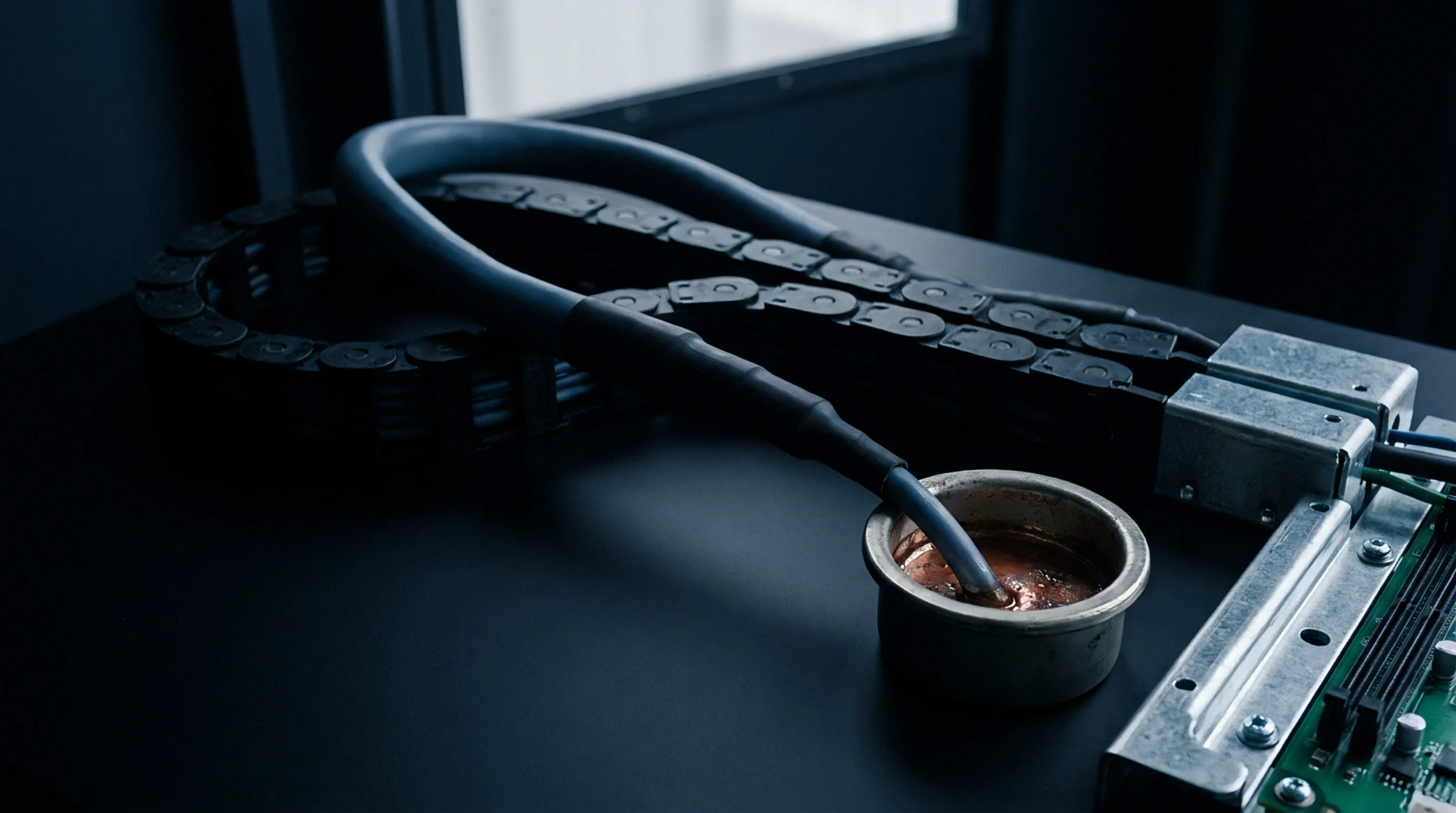
Thixotropic Rebuild Kinetics Governing Fine Pitch Stencil Print Yields
Thixotropic rebuild kinetics dictate stencil release and deposit stability, where tuning separation speed to viscosity recovery maximizes fine pitch print yield.
Thixotropic rebuild kinetics dictate stencil release and deposit stability, where tuning separation speed to viscosity recovery maximizes fine pitch print yield.
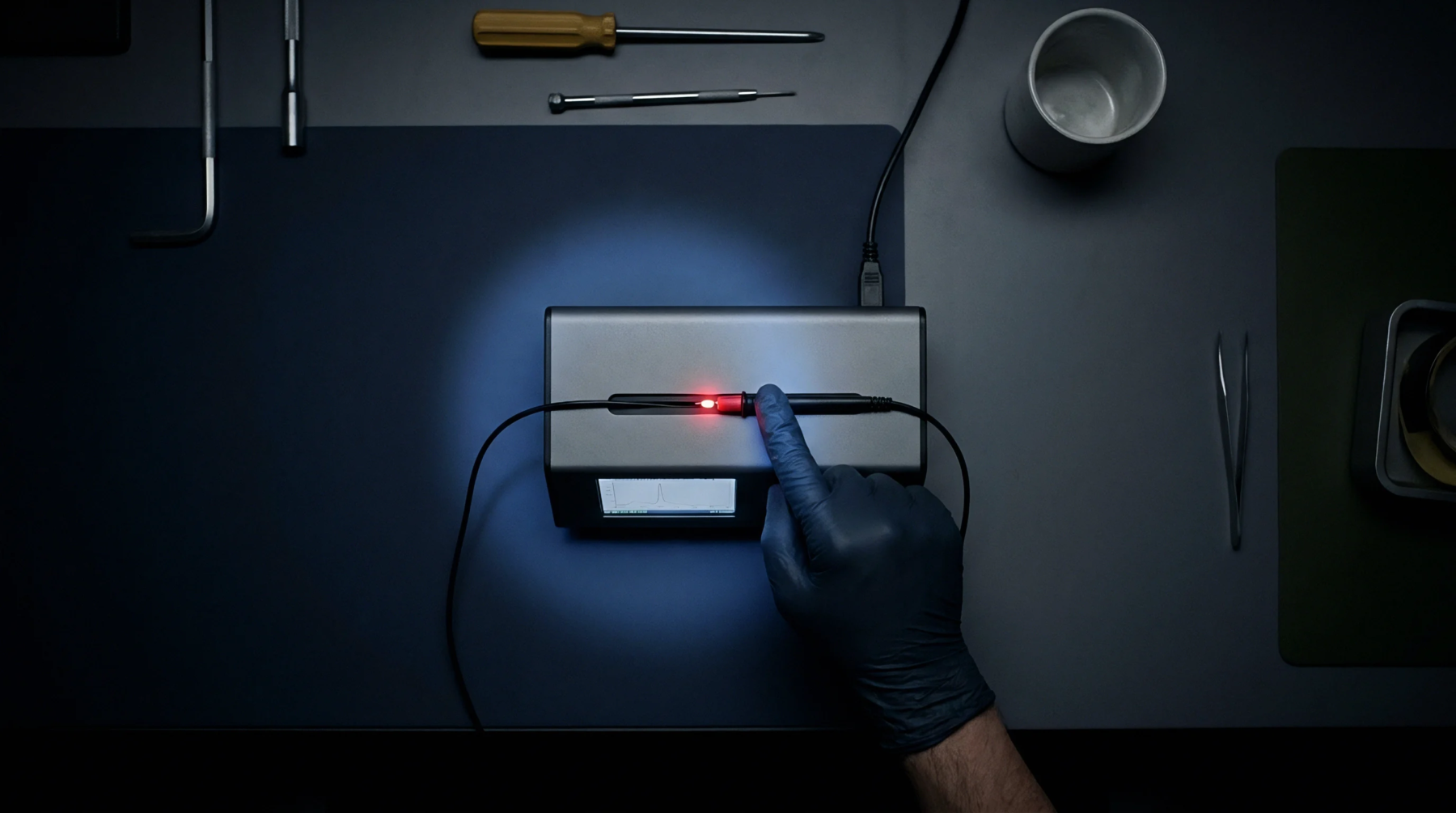
Matching paste particle size and viscosity to stencil area ratio maintains stable transfer efficiency above 80 percent on fine-pitch components.

Optimizing stencil area ratios above 0.55 using electropolished foils and Type 5 paste maximizes volume transfer efficiency while minimizing SMT assembly defects.
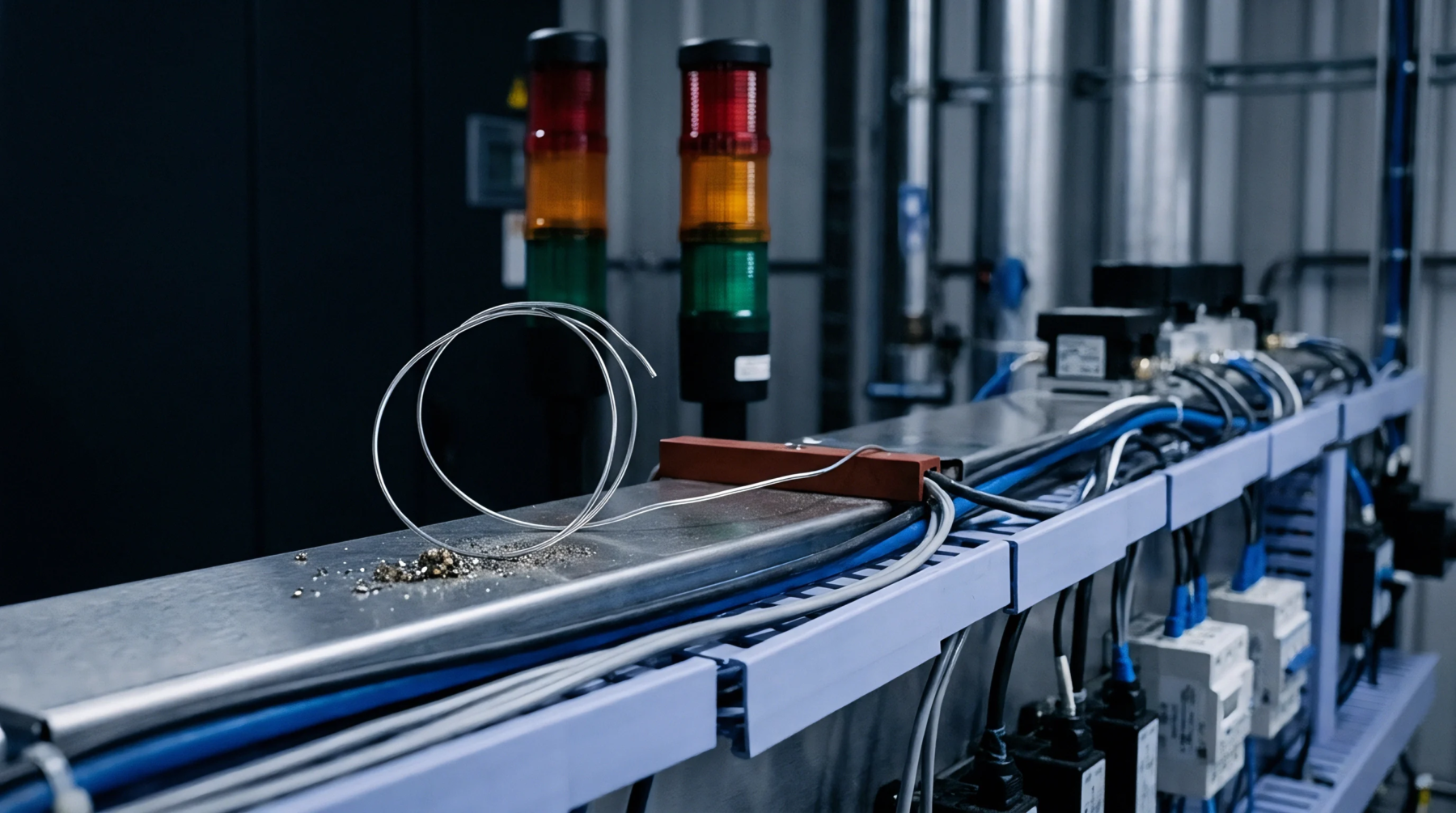
Stencil thickness selection balances aperture area ratios above 0.66 with component paste volume demands to eliminate SMT print defects and maximize yield.
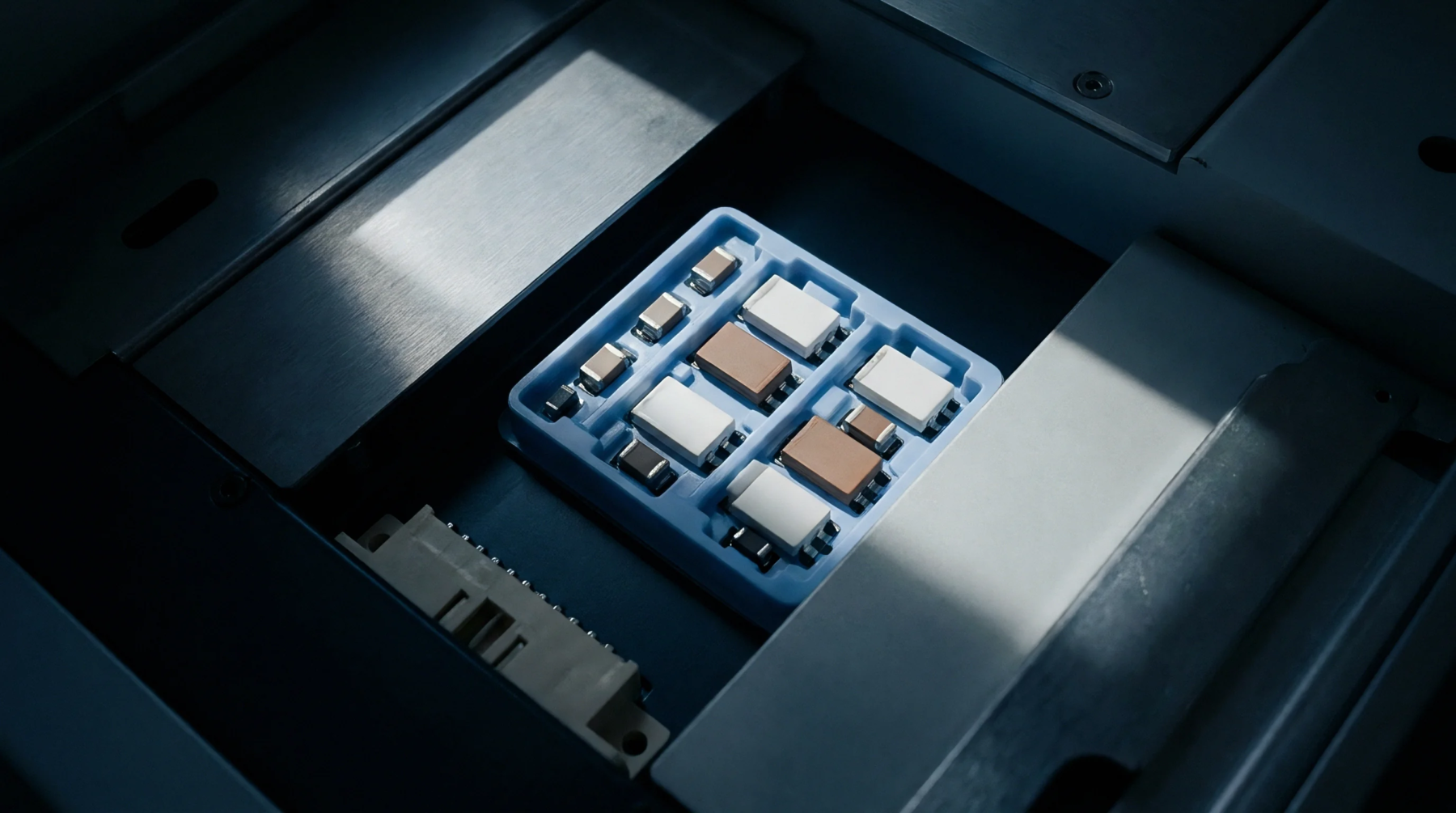
Optimizing solder paste rheology and stencil area ratios above 0.66 drives transfer efficiency stability and eliminates fine-pitch assembly defects.
Expertise is a utility, not a secret. sentiention™ publishes its working knowledge as open reference: intelligence layer covering the materials it sources, the markets it enters, and the reference that serves both.