Surface Finish
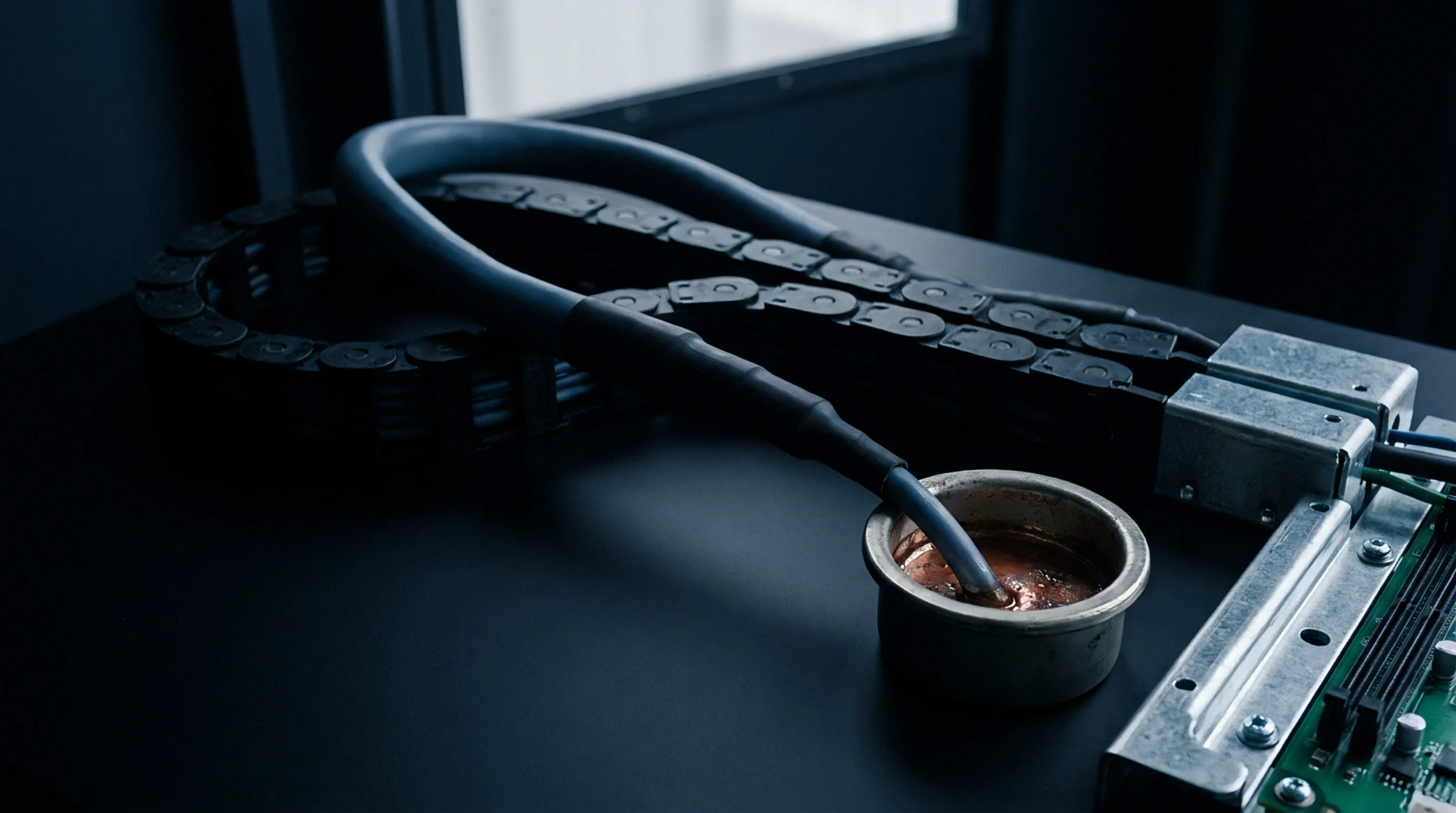
Molten solder covers copper pads on a printed circuit board through the immersion of the panel into a heated pot to leave a metallic layer that shields against oxidation. Hot air solder leveling serves as the industry term for this application, which relies on high velocity air knives to shear excess metal from the board surface. The process guarantees the solderability of copper features by providing a barrier against atmospheric contaminants that would otherwise impede later attachment.
Thermal Consistency
Precise control over the bath temperature and the angle of the air knives determines the thickness and uniformity of the deposited coating. Variations in the cooling rate across the board density influence the grain structure of the resulting alloy, which dictates the long term reliability of the joint formed during assembly. Thinner regions occur where the air knives exert maximum pressure, while thicker deposits remain in areas with lower air velocity or complex geometric features.
Each circuit board receives a check for planarity because excessive solder accumulation interferes with the stencil printing of paste during the placement of surface mount components.
Process Limitation
Microscopic gaps in the copper wetting often develop on fine pitch pads due to the aggressive nature of the shearing air jets. Flat pads for ball grid array packages experience higher rejection rates under this technique because the topography becomes uneven across the footprint, causing inconsistent contact for the solder spheres. Assemblies demanding ultra fine pitch tolerance favor alternative chemical finishes that deposit a level surface across all features without the mechanical force of high pressure air.
The coating density fluctuates based on the thermal mass of the copper patterns present on the board layer.