Continuity Verification
Standardized requirements for the electrical testing of unpopulated printed boards define the methodology for detecting opens and shorts. Implementation of ipc-9252 electrical test procedures ensures that every conductive path on a board matches the original design netlist. This verification occurs after the fabrication of the raw board but before any components are soldered to the surface.
It provides the final assurance that the etching and plating processes have been successful.
Isolation Testing
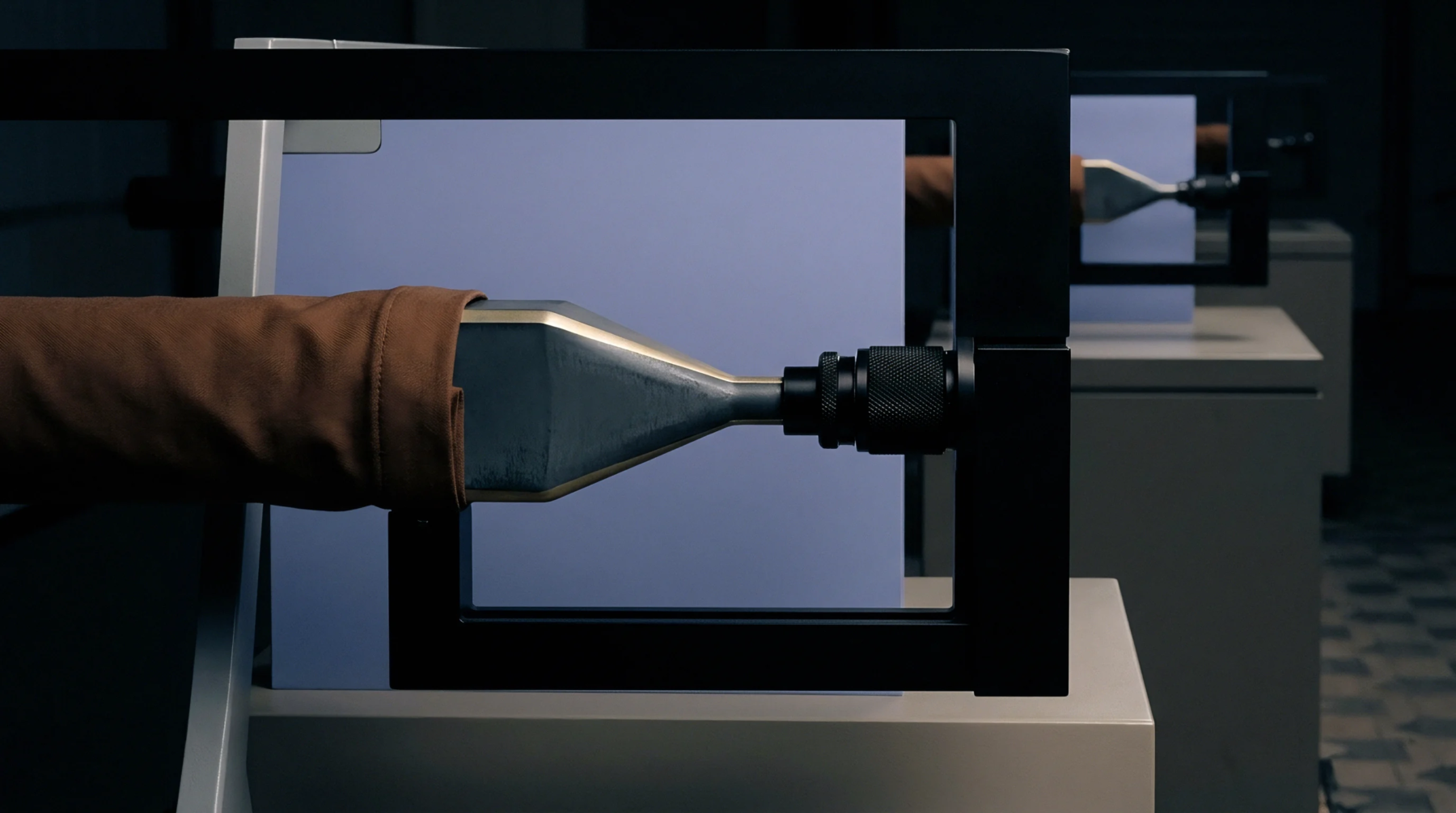
Resistance measurements between nets confirm that no unintended bridges exist between separate circuits. High-voltage isolation tests, often referred to as hi-pot testing, are used to detect thin spots in the dielectric or small slivers of copper that could cause failure in the field. The test equipment uses either a bed of nails fixture or a flying probe system to contact every test point on the board.
Flying probes offer flexibility for low-volume production while fixed fixtures provide the speed required for mass manufacturing. Every board must pass these checks to be considered a known good board.
Adjacency Logic
Software algorithms determine which nets are close enough to each other to pose a risk of shorting. This approach reduces the total number of tests required by ignoring nets that are physically separated by a safe distance.