Plating Requirement
A rigorous mandate for high-reliability electronics defines the percentage of copper thickness required along the entire interior barrel length of a through-hole connection. ipc class 3 vertical hole fill ensures electrical continuity remains stable under extreme thermal cycling and intense mechanical shock. Manufacturers apply this standard to hardware where continued performance is mandatory and equipment downtime presents unacceptable risk. Compliance demands that copper deposition reaches a specific depth profile within each hole barrel, preventing voids or structural gaps that lead to signal loss.
Barrel Reliability
Surface tension often forces plating chemistry to bridge across the top of a narrow hole rather than flowing down to the center. This bottleneck creates a thin or absent layer of conductive metal, leaving the inner portion of the hole walls vulnerable to cracking during solder reflow or field operation. Processes designed for ipc class 3 vertical hole fill utilize specialized agitation, precise bath chemistry, and air sparging to break the boundary layer of the plating solution.
By forcing the electrolyte into the high aspect ratio geometry, the plating thickness becomes uniform throughout the barrel. Operators measure the resulting cross section using micro-section analysis to confirm the metallic integrity meets the threshold for critical infrastructure. Failure to achieve this deposition causes internal barrel fractures that frequently evade simple continuity tests conducted at room temperature.
Inspection Protocol
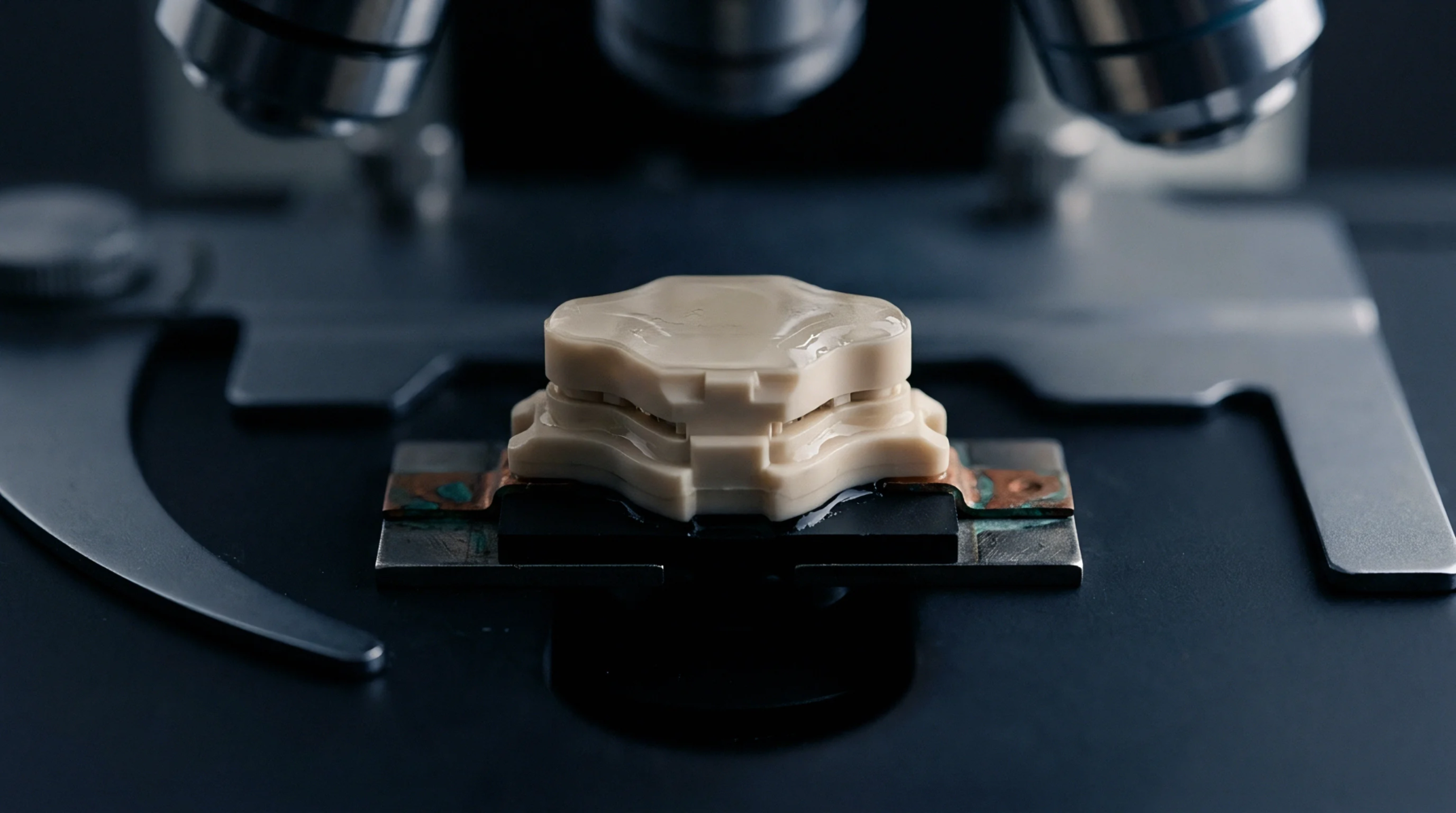
Verifying the integrity of the conductive barrel relies on destructive sampling techniques after the plating phase concludes. A technician cuts a representative board through the center of the plated holes to expose the wall structure for optical assessment under magnification. Analysts verify that copper covers the vertical face of the dielectric material without gaps or thin spots that fall below the minimum gauge required by the specification.
Each inspection confirms whether the chemical process successfully pushed enough copper into the narrowest features of the design. Boards that fail this examination undergo root cause analysis to determine if the issue stems from fluid dynamics or chemistry concentration imbalances. Strict adherence to these visual standards guarantees that interconnections endure repeated expansion and contraction cycles without fatigue.