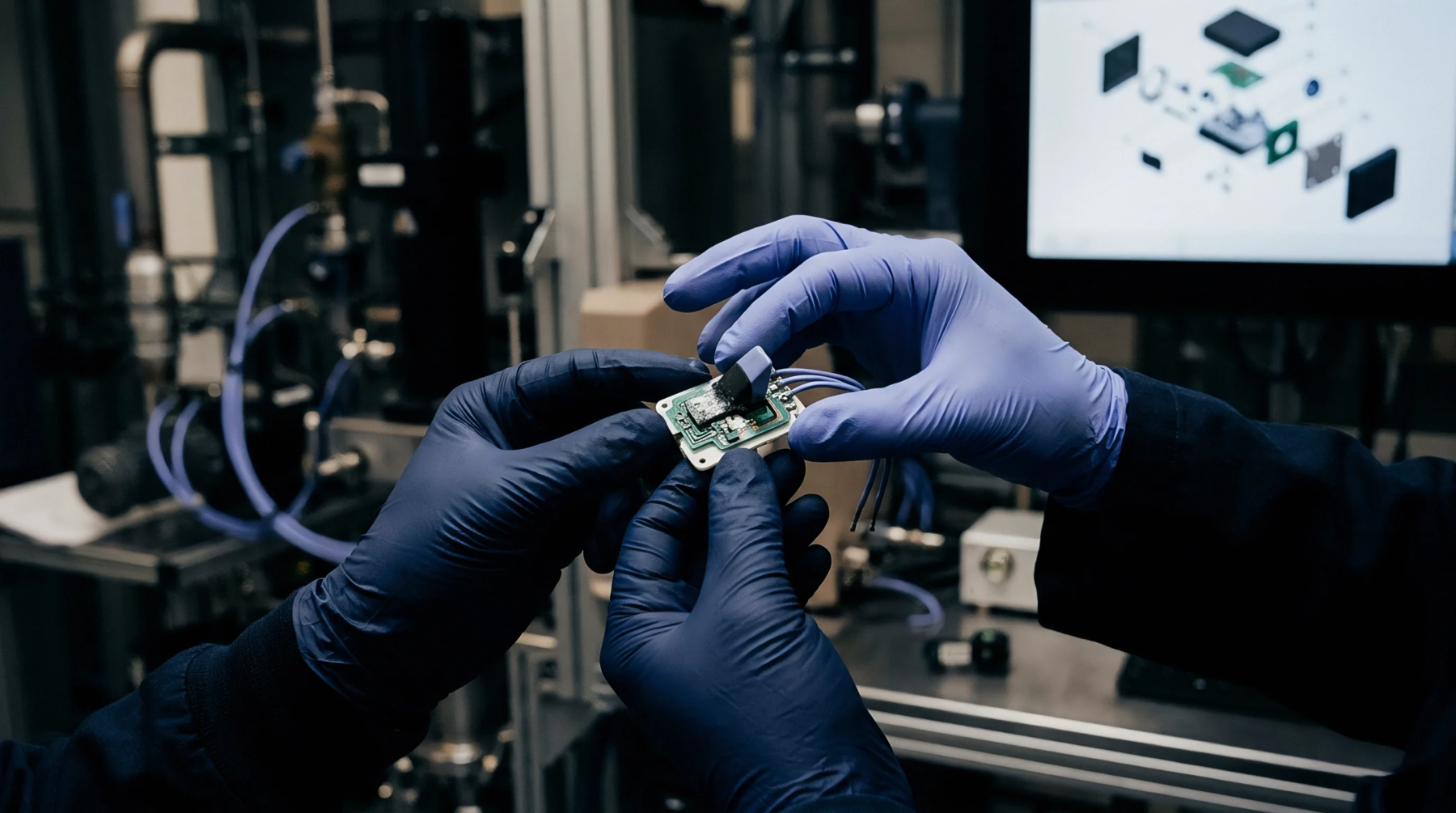
Quality Assurance
Manufacturing and inspection criteria for electronic assemblies are standardized into distinct classes that define the rigor of quality control required for different operating environments. The IPC Class K tolerance represents the highest level of reliability and inspection stringency, applying specifically to space, military, and aerospace microcircuit assemblies. This standard dictates zero tolerance for defects that could cause mission failure, establishing extremely tight limits on solder joint voids, trace widths, and component positioning.
Solder operators and inspection systems must meet specific certification levels to process boards under these rules.
Process Capability
Quality control teams utilize high-resolution automated optical inspection and three-dimensional x-ray testing to verify compliance with this standard. Because the IPC Class K tolerance requires exhaustive testing of all internal structures, boards undergo rigorous thermal shock and vibration analysis before shipment. The tolerance levels also cover the maximum allowable contamination of the board surface, mandating that ionic residue levels be kept below specified microgram limits.
This minimizes the risk of dendritic growth and electrochemical migration in harsh space environments.
Defect Inspection
Traceability requirements are similarly stringent for materials and processes used under Class K guidelines. Every solder paste batch, component reel, and copper laminate sheet must be logged and tied to the specific serial number of the finished assembly. These records allow complete failure analysis if a board experiences an anomaly during its operational life.